
Last updated November 15, 2026
 Sweep & inspection
 Caps & crowns
 Flue relining
 Masonry repair
 Gas fireplace service
Level 1 sweep and inspection to the NFPA 211 annual standard - flue, crown, cap, and flashing checked and photographed
Chimney sweep logs do not sweep chimneys. They loosen some creosote - which then falls where a brush and vacuum still have to collect it.
Chimney Sweep Maintenance Checklist for Evansville Homeowners
The window between your last fire in March and your first fire in October is exactly when small chimney problems calcify into expensive repairs, and most homeowners don’t look at their flue once during those months. A cracked crown, a loose cap, or a thin layer of creosote that sat through a humid Evansville summer has months to get worse before you’d ever notice a difference in how the fireplace draws. This guide organizes chimney care by month and by season, so each task lands when it actually matters in our part of southern Indiana. You’ll learn what you can safely check yourself, what needs a camera and a trained eye, how to handle the late-spring storm season, and how to build a simple record that keeps any future repair estimate honest.
Quick Answer
A chimney maintenance checklist for Evansville should follow the local heating calendar: inspect and sweep before the first fire in fall, watch the crown and cap through winter freeze-thaw, check for storm damage after late-spring weather passes, and keep a written record of condition year over year. The single most important task is one annual professional inspection with a camera, done before burning season starts. Everything else on the list is homeowner observation that feeds into that inspection.
Styles & brands we work with
- Sweep & inspection
- Caps & crowns
- Flue relining
- Masonry repair
- Gas fireplace service
Table of Contents
- Why a Month-by-Month Checklist Beats a Generic To-Do List
- The Evansville Chimney Maintenance Calendar
- What You Can Safely Check Yourself vs. What Needs a Professional
- What to Check After Evansville’s Late-Spring Storm Season
- How to Document Chimney Condition Year Over Year
- Wood-Burning vs. Gas Insert: Separate Checklists
- How Often Should You Actually Schedule a Sweep?
- When a Checklist Item Turns Into a Repair
Why a Month-by-Month Checklist Beats a Generic To-Do List
Most chimney maintenance advice you’ll find online is a flat list of things to “watch for” with no timing attached. That works about as well as a car maintenance schedule that says “check the oil eventually.” Chimney problems have seasons in Evansville. Moisture intrusion is worst in late winter, when repeated freeze-thaw cycles work on masonry joints, crowns, and caps. Creosote buildup matters most right before you light the first fire of the year. Storm damage tends to show up after the spring severe weather pattern has passed through the Ohio Valley. If you’re checking the wrong thing at the wrong time, you’ll miss it.
Timing also protects your wallet. A hairline crack in a crown that gets sealed in September is a minor repair. The same crack after a winter of water working into the masonry behind it can mean rebuilding the crown and possibly more. In our experience, the homeowners who spend the least on chimney work over time aren’t the ones who skip inspections; they’re the ones who catch small problems early because they know when to look.
This checklist is built around the heating year in Evansville, not a generic national template. That matters here because our burning season runs long. Many Evansville homeowners light the first fire in October and keep burning into March or later, which means the flue carries more total use than it would in a warmer climate. More use means more creosote, and more creosote means the annual sweep and inspection isn’t optional. It’s the anchor of the whole calendar.
The Evansville Chimney Maintenance Calendar
Here’s the full year at a glance. Print it, stick it on the fridge, and work through it in order. Each task below ties to the season it actually serves.
Early Fall (September to October): Before the First Fire
- Book your annual inspection and sweep. This is the year’s most important task. Schedule it before you need the fireplace so you’re not waiting when the first cold snap hits.
- Clear the firebox and ash pit. Remove old ash and any debris that accumulated over the summer. Ash holds moisture and can corrode the firebox floor over time.
- Check the damper. Open and close it fully. It should move without grinding and seal when closed. A damper that sticks open wastes heat all winter.
- Confirm the cap and spark screen are intact. Look up at the chimney top from the ground with binoculars. A missing or damaged cap lets rain, birds, and squirrels straight into the flue.
- Test your smoke and carbon monoxide alarms. This belongs on any chimney checklist because a blocked or damaged flue is a carbon monoxide path into the house.
Winter (November to February): During Burning Season
- Watch for smoke backing into the room. If the fireplace stops drawing well, stop using it and have it checked. This can signal a blockage or a failing flue.
- Keep an eye on the cap after ice and snow. Freeze-thaw cycles are hardest on crowns and caps. Ice forming and melting repeatedly can open cracks that weren’t there in fall.
- Burn dry, seasoned wood. Wet wood produces far more creosote. This single habit reduces how much builds up between sweeps.
- Empty ash regularly but safely. Never put warm ash into a paper bag or plastic container.
Late Spring (April to May): After Storm Season
- Walk the exterior of the chimney from the ground. Look for loose bricks, missing mortar, a tilted cap, or staining that wasn’t there in fall.
- Check for water staining on the ceiling or walls near the chimney. A stain that appears after spring storms usually points to a crown, cap, or flashing problem.
- Look at the firebox and smoke chamber. Any new cracking or crumbling in the firebox after winter is worth flagging for the fall inspection.
Summer (June to August): The Repair Window
- Schedule repairs now, not in October. Warmer, drier weather is the right time for crown work, flashing repair, and relining. Materials cure better and the job isn’t competing with everyone else’s pre-season calls.
- Have the flue camera-inspected if you haven’t in over a year. Summer is the easiest time to book and the easiest time to get repair work done before the season starts.
If you want a single anchor date for the whole calendar, make it the pre-season inspection. Everything else on the list feeds information into that inspection. That’s why we say we inspect before we sweep: so you know exactly what’s up there before we ever touch a brush.
What You Can Safely Check Yourself vs. What Needs a Professional
There’s a clear line between homeowner observation and professional work on a chimney, and knowing where it sits keeps you safe. You can look. You can’t safely get inside the flue, and you shouldn’t try. Here’s the split.
What Homeowners Can Check Safely
- What you can see from the firebox opening. Shine a flashlight up into the smoke chamber and look for obvious cracks, gaps in the firebrick, or heavy soot. You’re looking, not reaching in.
- Damper operation. Open and close it fully. Note any sticking or grinding.
- Exterior from the ground. Binoculars help. Look for missing mortar, loose bricks, a tilted cap, or staining.
- Interior water signs. Stains on the ceiling, walls, or mantle, especially after heavy rain or snowmelt.
- Smoke behavior. Whether the fireplace draws well or puffs smoke into the room is useful information for a technician.
- Smoke and carbon monoxide alarms. Test these on a regular schedule.
What Requires a Professional With a Camera
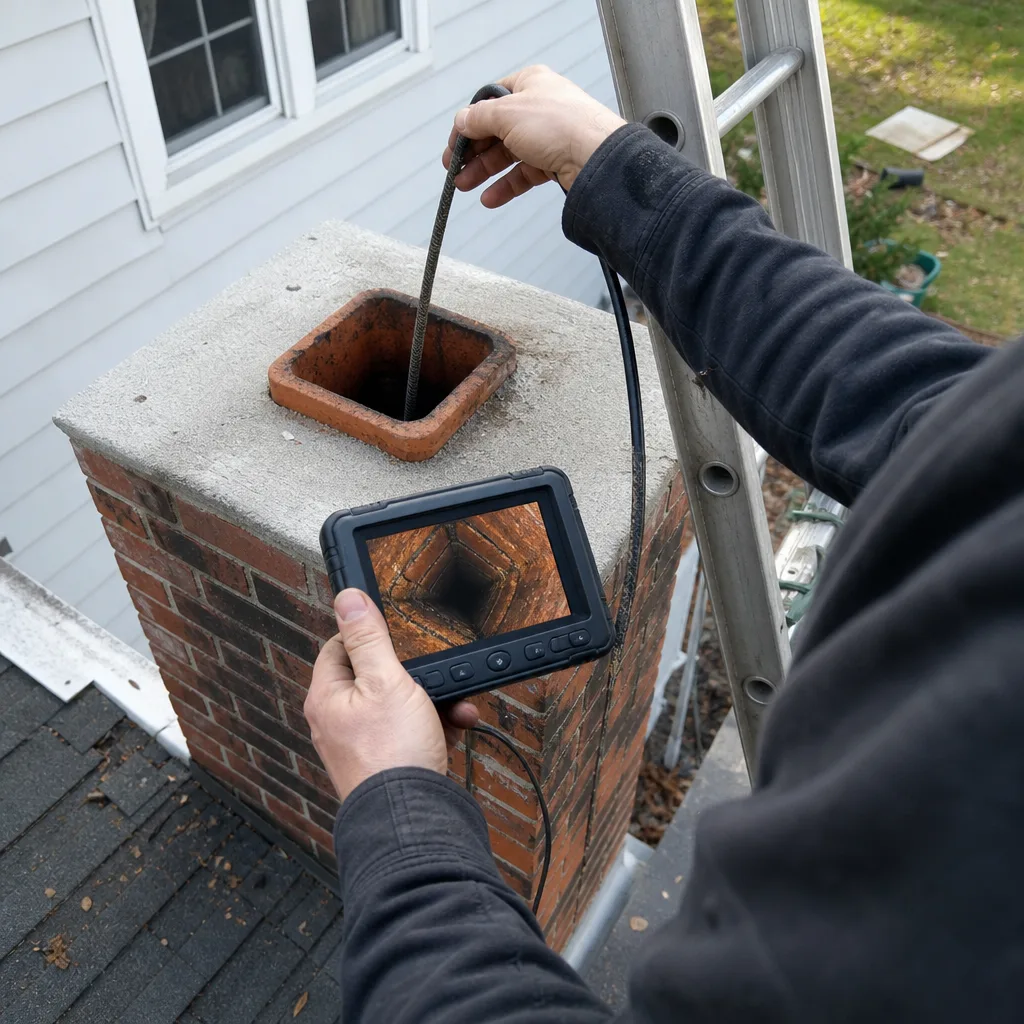
- The flue interior. Creosote thickness, cracked or missing flue tiles, gaps in the liner, and offset joints all show up on camera and can’t be seen from below.
- The smoke chamber and smoke shelf. These areas sit above the damper and are notoriously hard to see. Problems here are a common cause of poor draw and hidden deterioration.
- The crown, cap, and flashing at the top. Getting up there safely takes the right equipment and training. The consequences of a fall from a roof aren’t worth the risk.
- Creosote levels and readiness to sweep. A trained technician knows when a flue needs sweeping and when it needs more.
- Relining and liner resurfacing. Both are specialist work. If a liner is failing, this is where the right materials matter, and where a company that stocks DuraFlex and works with HeatShield resurfacing earns its keep.
If a company tells you that you need thousands of dollars of liner or masonry work, you deserve to see the evidence yourself. Nothing should be recommended without camera images you can look at, and we’re always willing to walk a homeowner through what the footage shows.
What to Check After Evansville’s Late-Spring Storm Season
Southern Indiana’s severe weather pattern typically peaks in late spring, and the chimney is one of the parts of a house most exposed to it. Wind-driven rain, hail, and freeze-thaw cycles during that stretch put real stress on the parts of the chimney above the roofline. Hail damage on a crown isn’t common here, but impact from wind-blown debris and the freeze-thaw cycle that follows a cold snap can do plenty on its own. Here’s what’s worth checking once the season has passed.
The Crown
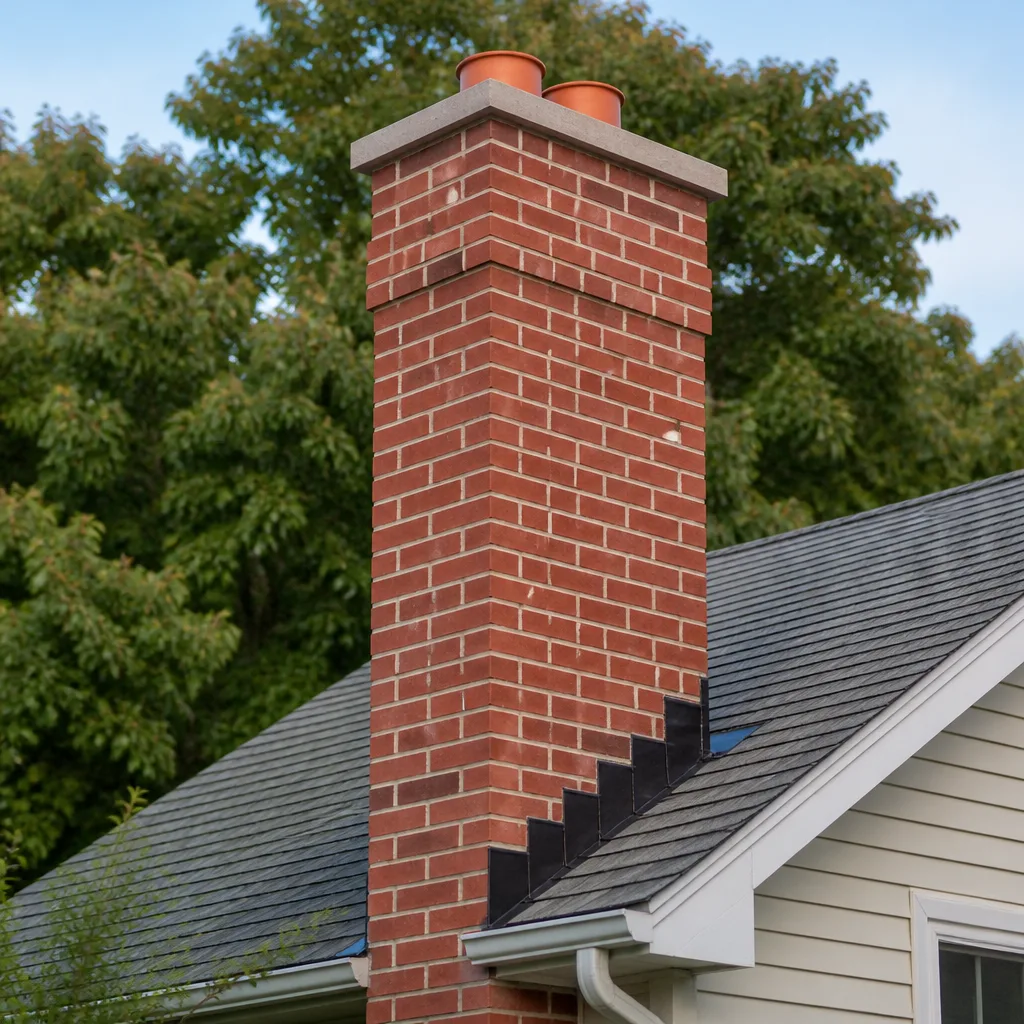
The crown is the concrete cap at the very top of the chimney that sheds water away from the masonry. Cracks in the crown are among the most common sources of chimney leaks. Look from the ground for visible cracks, crumbling edges, or a crown that’s pulling away from the flue. Once water gets behind the crown, freeze-thaw cycles open those cracks wider through the following winter.
The Cap and Spark Screen
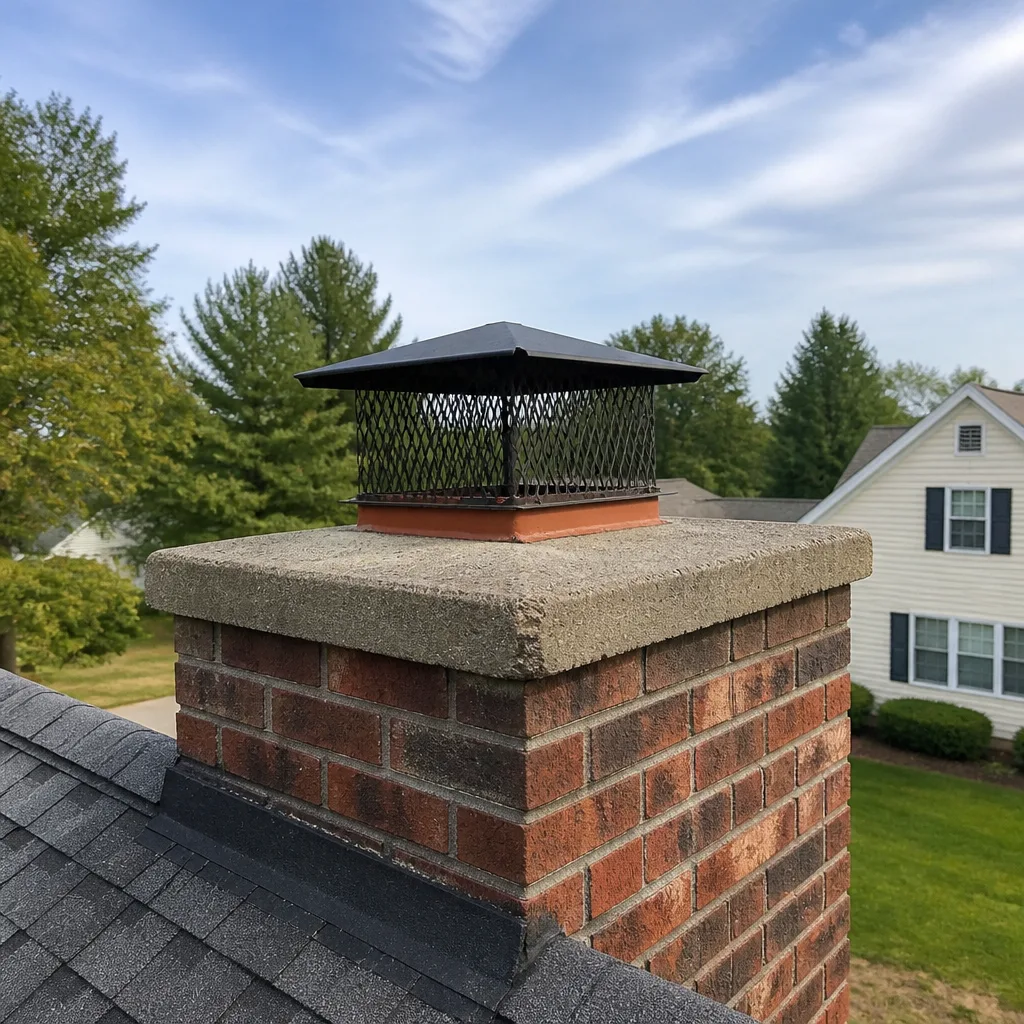
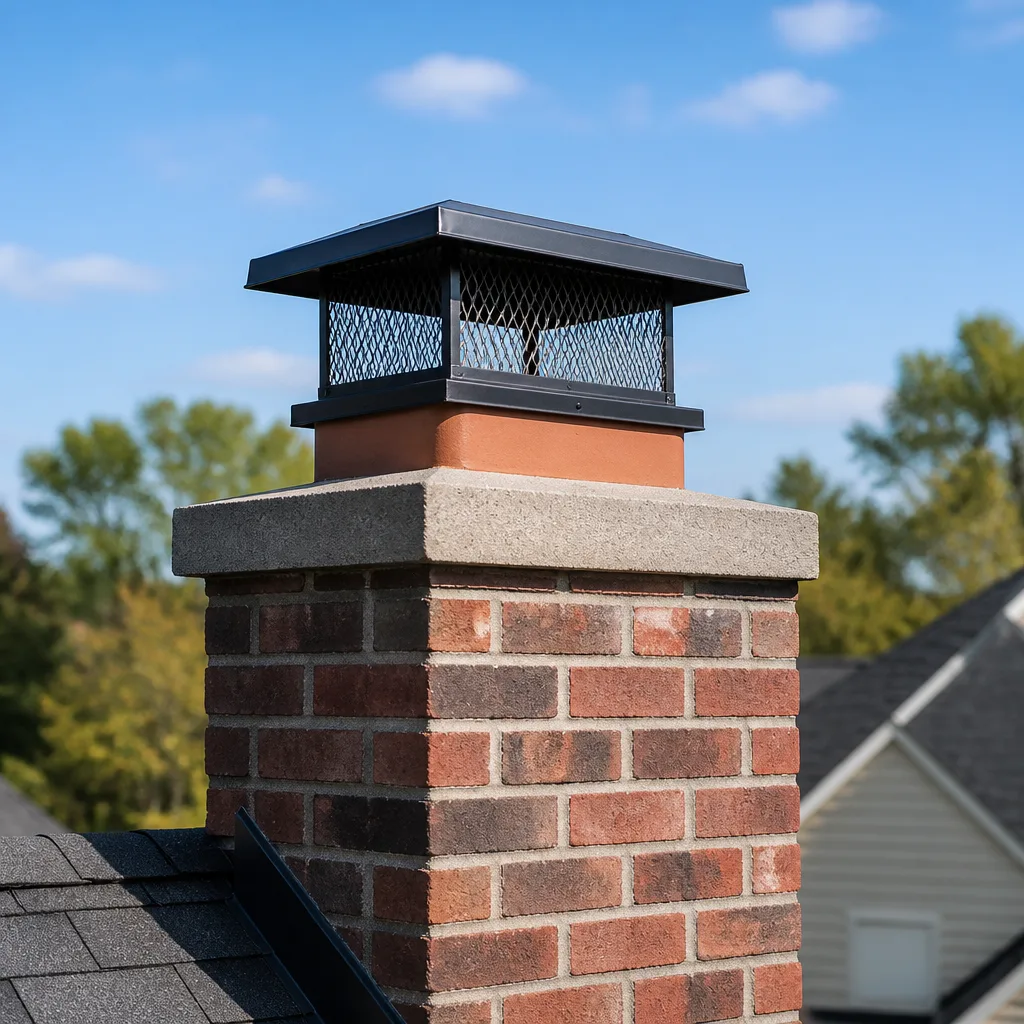
A chimney cap and spark screen keep rain, animals, and debris out of the flue. A windstorm can loosen a cap or tear the screen. If a cap is sitting crooked or missing, that’s a repair, not a someday item. An open flue during the summer accepts rain and nesting wildlife.
Flashing
Flashing is the metal that seals the chimney to the roof. Storm-driven wind and debris can lift or loosen it. Check inside the attic or on the ceiling near the chimney for water stains after heavy rain. A flashing leak caught early is a caulk-and-seal repair; caught late, it means rotted roof framing.
The Masonry, After a Cold Snap
Freeze-thaw damage is hardest on brick and mortar joints. If you see crumbling mortar or bricks that have started to spall, note it and have it looked at before fall. In this climate, water that gets into the masonry is your main enemy, and the fix is much smaller when it’s caught the same season.
Around the Interior
Run a quick interior check after storm season: ceiling and wall stains near the chimney, any new musty smell, or a firebox that shows fresh cracking. These are the small clues that tell a technician where to look first.
How to Document Chimney Condition Year Over Year
A year-over-year record is the most underrated item on any chimney checklist. It’s your baseline. When a contractor hands you a repair estimate, the difference between “this needs fixing” and “this has looked like this since you moved in, and here’s the proof” is a documented record, ideally with photos. It’s also how you tell a genuine problem from a sales pitch.
Here’s a simple system that works. You don’t need any special tools.
- Keep a dated folder. Paper or digital. Label it “Chimney.” Every inspection report, photo, and estimate goes in it.
- Ask for photos with each inspection. A camera inspection should produce images of the flue interior, the smoke chamber, and the top of the chimney. File them with the date.
- Note the camera findings in plain language. “Flue liner intact, some creosote in upper section, crown cracked on north side” is more useful than a checkmark.
- Record repair dates and what was installed. If a cap or flashing is replaced, note the material. If a liner section was resurfaced, note that too.
- Keep a before-and-after for any major repair. Photos before and after relining or crown work help if you ever sell the house, and they help the next technician understand what they’re looking at.
- Update the file after each spring storm check. Note what you saw and when. Even a one-line note is a useful record of what didn’t change between inspections.
For a new homeowner, this record is worth starting immediately. A house with an unknown chimney history is a house worth inspecting before the first fire. Camera inspection and a written report give you the starting line.
Wood-Burning vs. Gas Insert: Separate Checklists
A gas fireplace and a wood-burning fireplace are not interchangeable when it comes to maintenance. They have different failure points, different risks, and different checklist items. If you inherited a fireplace and don’t know which type it is, that’s your first task: figure it out, and get the system checked. Here’s how the checklists differ.
Wood-Burning Fireplace Checklist
- Annual sweep and inspection. Creosote buildup is the primary risk, and it’s a fire risk. This is why wood-burning systems need a professional sweep on a schedule.
- Check creosote levels before each season. A trained technician can tell you how much is present and whether a sweep is due.
- Firebox and firebrick condition. Cracked firebrick and mortar joints allow heat and gases into places they shouldn’t go.
- Damper operation and fit. Must open fully and seal when closed.
- Smoke chamber and shelf. These are camera territory and a common source of slow performance and hidden deterioration.
- Cap and spark screen. A wood-burning flue needs an open cap with a screen to keep out debris and animals while letting gases out.
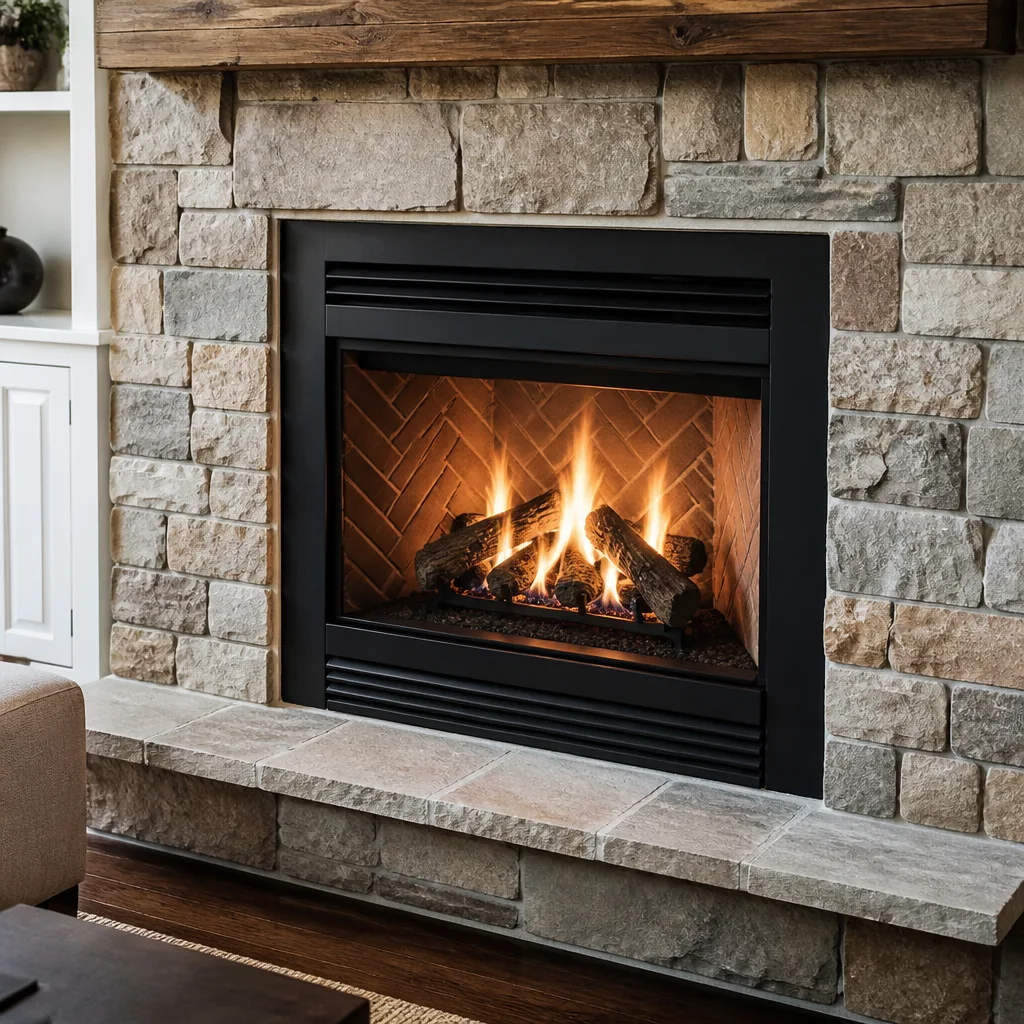
Gas Insert and Gas Fireplace Checklist
- Annual inspection of the venting system. Gas fireplaces still vent, and the vent can deteriorate or become blocked. Venting problems on gas systems can be a genuine carbon monoxide concern, so this isn’t a skip.
- Glass, logs, and burner condition. These affect how the fire looks and how the unit burns. The manufacturer’s instructions for your specific insert cover cleaning and care.
- Pilot and ignition check. If the pilot or ignition has become unreliable, that’s a technician call.
- Carbon monoxide alarm. There should be one, tested and working, in any home with a gas appliance.
- Combustion air and clearance. Nothing should be blocking the unit or its clearance to combustibles.
- Any gas smell. If you smell gas, leave the house and call your gas utility. Don’t try to diagnose it yourself.
If you’re unsure which system you have or when it was last serviced, that alone is a reason to schedule an inspection. Gas work and venting diagnosis are areas where a trained professional should be the one opening things up, and where the right diagnosis beats guesswork.
How Often Should You Actually Schedule a Sweep?
The general rule in the trades is one annual inspection, with a sweep as the inspection indicates. For most Evansville homeowners burning regularly during a long heating season, that means an annual sweep. Homeowners who burn only occasionally may need less, and the camera inspection is what tells you which category you’re in. The inspection is the anchor; the sweep is a service the inspection decides on.
Several factors move you toward annual sweeping rather than less:
- Burning frequency. Regular fires through a long Evansville winter produce more creosote than occasional use.
- Wood quality. Unseasoned or wet wood produces significantly more creosote than dry, seasoned firewood. If you bought wood late and it’s been burning poorly, you’re a candidate for a sweep before next season.
- A new-to-you fireplace. If you bought the house and don’t know when it was last swept, an inspection and possible sweep should happen before you use it.
- An insurance or home-inspection requirement. If you’ve been told by an inspector or insurer that action is required, that’s your answer. It’s also a good moment to get ahead of the problem instead of letting a repair grow.
What “one annual” looks like in practice: schedule the inspection in early fall, before you want to use the fireplace, and let the technician tell you whether that visit includes a sweep. If a company tries to sell you something without demonstrating why, that’s a warning sign. Our approach is the opposite. From the firebox to the crown, we handle it all in one visit, and we’ll tell you what we find in plain language, with no upsell pressure. If you want to know more about the sweep itself, that’s covered on our chimney sweep page.
When a Checklist Item Turns Into a Repair
Some checklist items are observations. Others are the start of a repair conversation. Here’s how the common ones tend to go, and where the line sits between “note it for the inspection” and “get this handled.”
Crown Cracks
Small cracks can often be sealed. Cracks that have opened the crown away from the flue, or that show crumbling and erosion, usually mean rebuilding the crown. Catching this at the post-storm check is the difference between sealing and rebuilding.
Failing Flue Liner
A flue liner that’s cracked, has gaps, or has deteriorated tiles is a safety issue, not a cosmetic one. The liner is what keeps combustion gases inside the flue and away from the house structure. Relining with a system such as DuraFlex is the standard fix for a failed liner, and it’s work we do. The other path for a liner that’s still structurally sound but has a pitted or deteriorating interior is resurfacing with HeatShield, which restores the flue without a full tear-out. Not every chimney is a candidate for resurfacing, but the right system is a real option when the liner is open to it.
Water Intrusion and Leaks
A leak at the crown, cap, or flashing is a straightforward fix when it’s caught early. Left alone, water reaches the masonry and roof framing, and the repair bill grows. If you’ve had water stains after storms, that’s a repair conversation.
Damaged Crown and Cap, and the Parts That Fit Them
A cap and crown replacement is often simpler than homeowners expect. The parts matter, though. We work with professional-grade brands like Gelco, Olympia Chimney, and Copperfield because they’re specified by the trade, not because they’re what’s left on a shelf. A cap that fits correctly does the job for years; one that doesn’t invites the next problem.
When a checklist item turns into a repair, you want one person to handle it. That’s the value of a chimney-only specialist. If you’d like to see what repair work covers, our chimney repair page lays it out. And if you live just outside the city, the calendar applies the same way across the Evansville area and surrounding towns.
Common Mistakes to Avoid
- Skipping the inspection because the fireplace “looks fine.” A fireplace can look fine and still have a cracked liner or significant creosote buildup inside the flue. The camera is where the truth shows up.
- Burning unseasoned wood to save a little money. Wet wood produces more creosote, and in Evansville’s long heating season that adds up fast. Buy seasoned wood or give what you have time to dry.
- Ignoring the crown and cap because they’re out of sight. The top of the chimney takes the most weather and is the most common source of leaks. A ground-level look with binoculars a few times a year is cheap insurance.
- Hiring a sweep-only company for a relining job. If your inspection finds a failed liner, a company that only cleans will hand you off to someone else. Getting inspection, sweep, and repair under one roof saves a second call and a second opinion.
- Treating a gas insert like a wood fireplace. Gas systems vent differently, fail differently, and still need annual inspection. Don’t assume “no wood, no creosote, no maintenance.”
- Not keeping records. If your only record is “the last guy said it was fine,” you have no baseline. A dated folder with photos makes every future estimate easier to judge.
- Waiting until October to book. Pre-season inspection slots fill up as the weather turns. Booking in late summer is the same service without the scramble.
See the difference
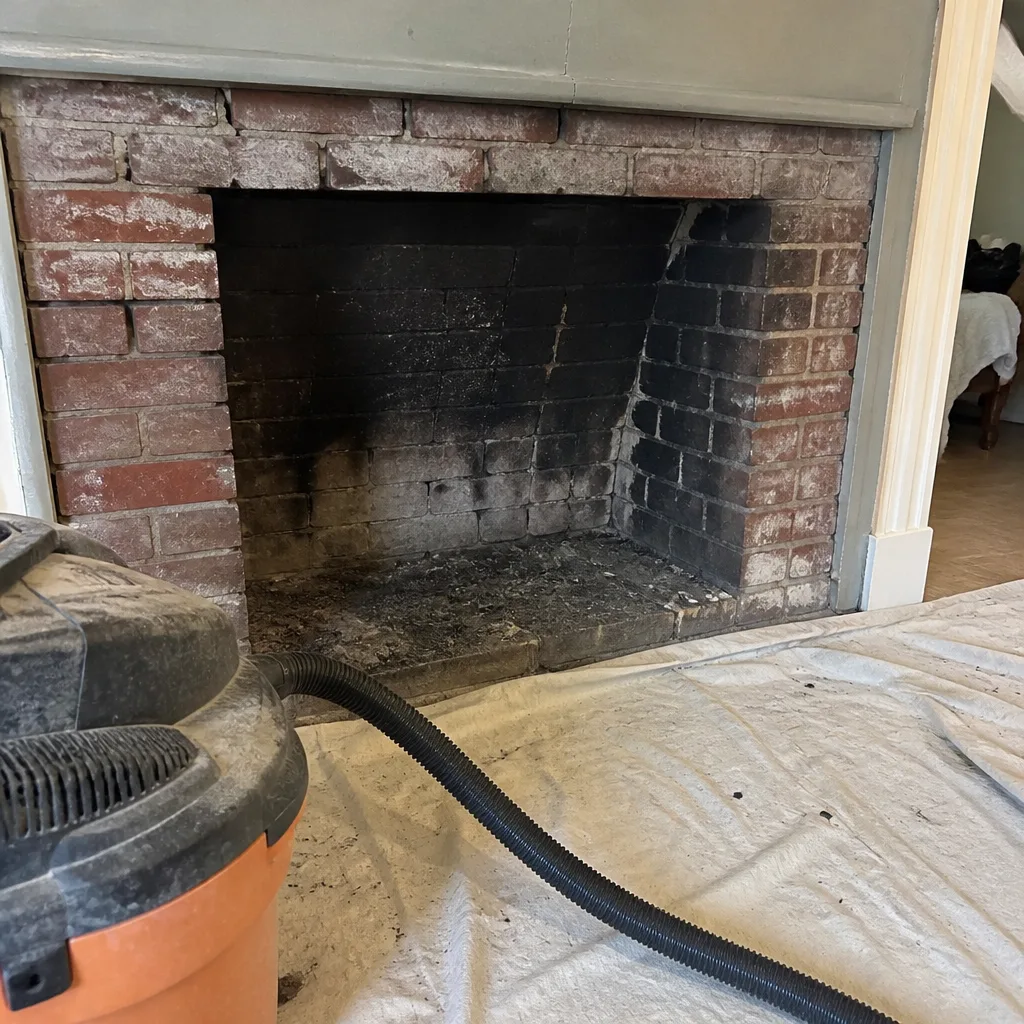 Before
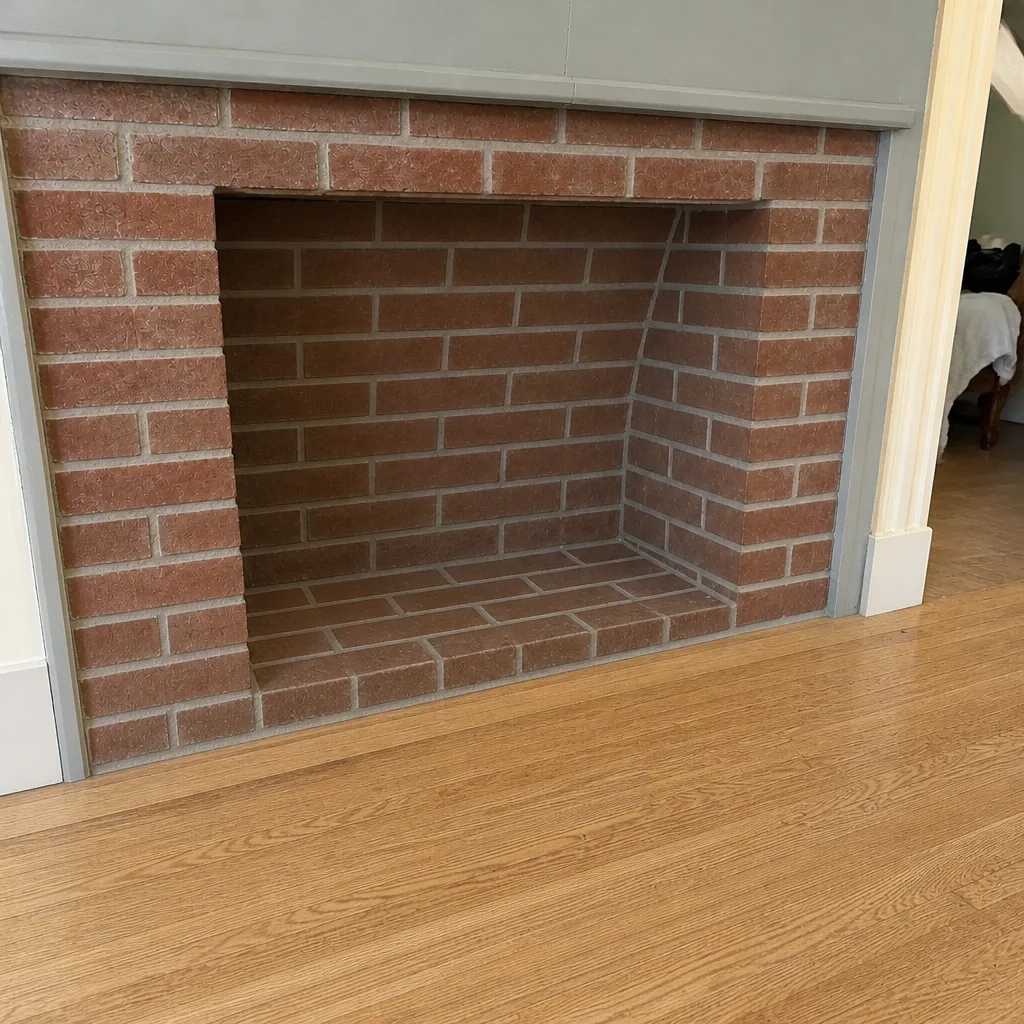 After
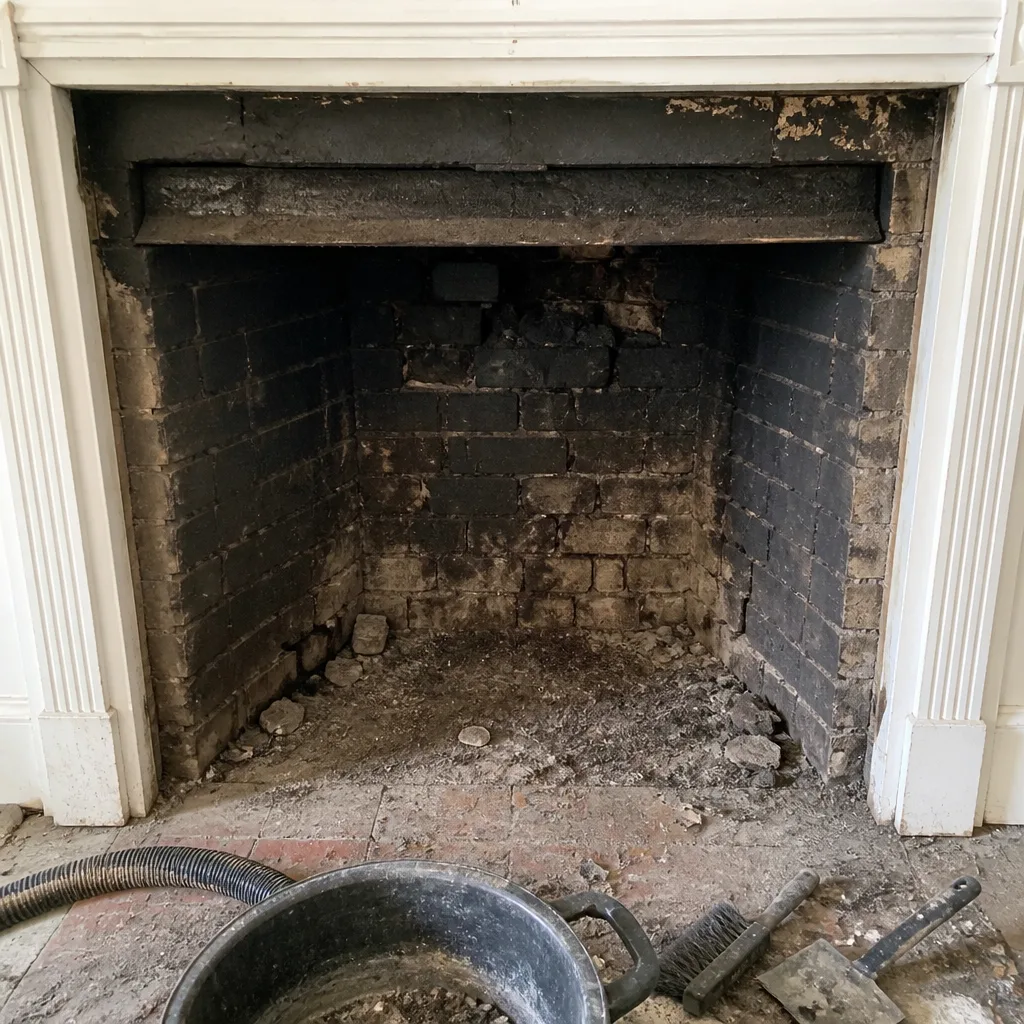 Before
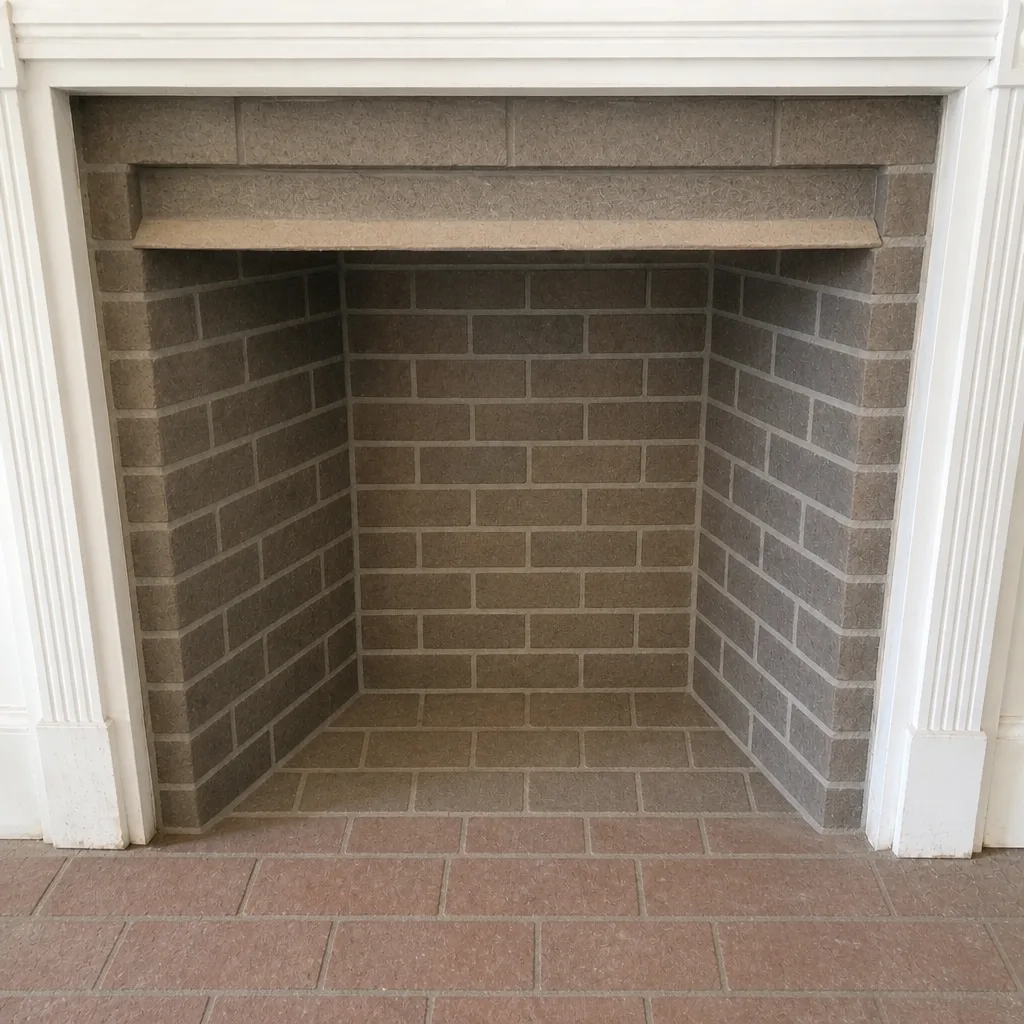 After
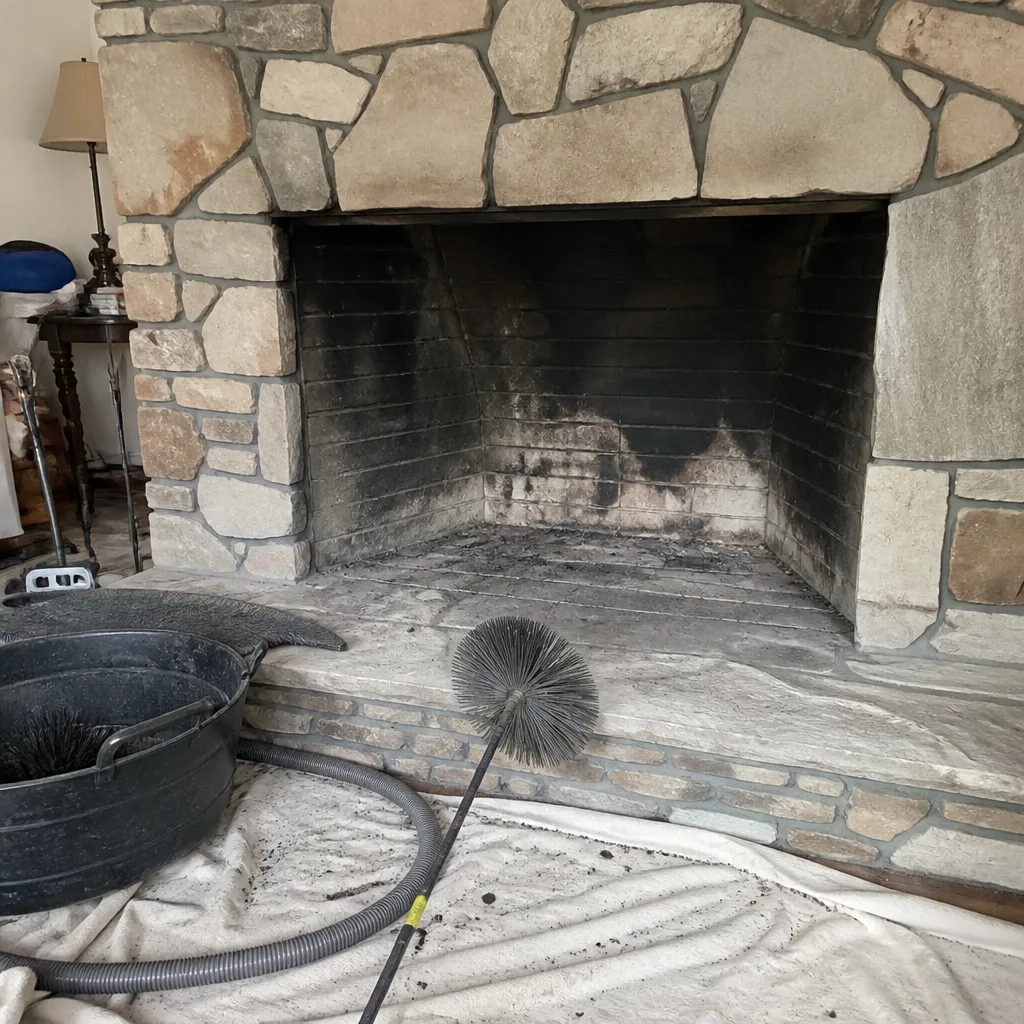 Before
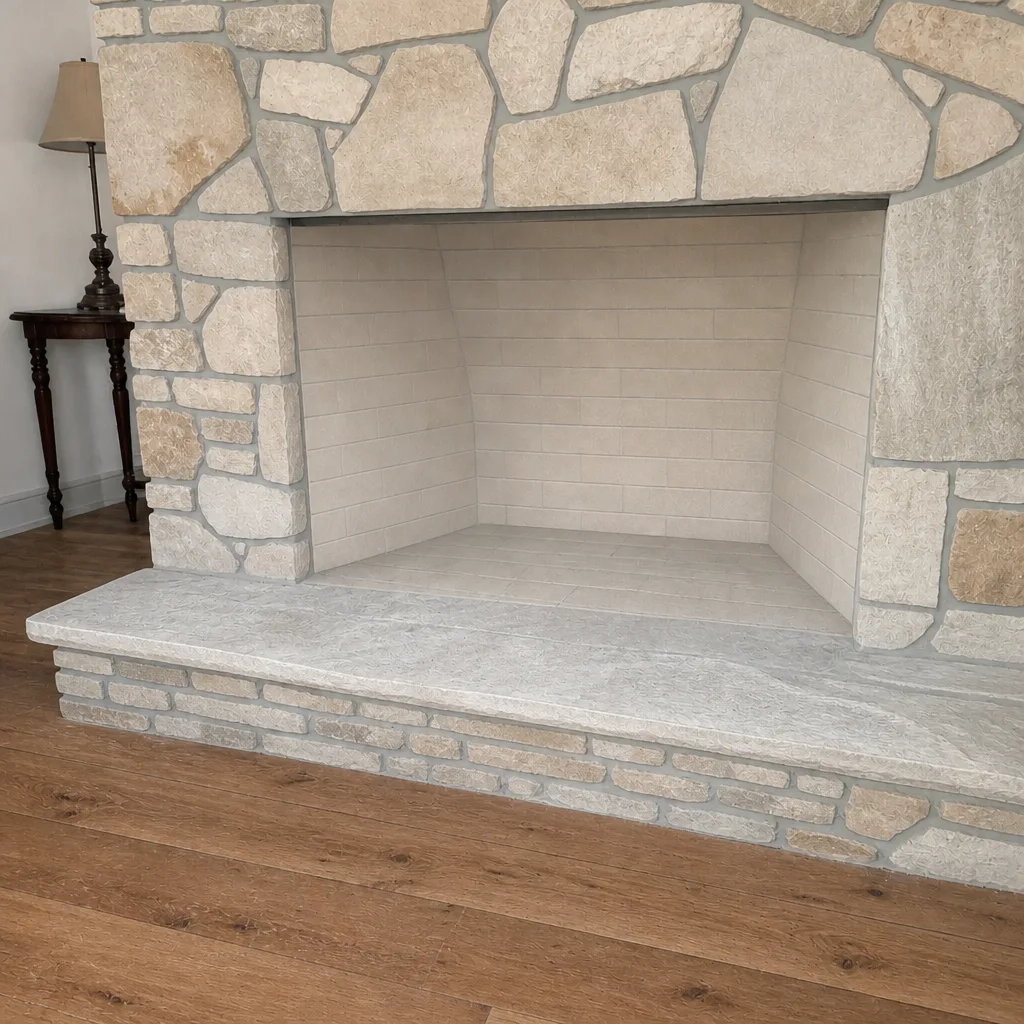 After
When to Call a Professional
Some chimney issues are safe to note and address at your next inspection. Others warrant a call. Get a professional involved if you see smoke backing into the room, smell gas near a gas insert, find water stains on the ceiling or walls near the chimney after a storm, notice the cap or crown is damaged or missing, or see fresh cracking in the firebox or flue liner. Also call if your home inspector or insurer has flagged the chimney, if you’ve bought a house with an unknown chimney history, or if it’s simply been more than a year since the last inspection. Chimney safety isn’t a place for guesswork. Chimney Sweep Evansville offers free estimates in Evansville. Call (833) 365-6875. We answer 24/7. Fast dispatch from 7am to 7pm, Sunday through Friday. Our technicians have up to 13 years of experience, and we inspect before we sweep so you know exactly what’s up there.
Frequently Asked Questions
Once a year for most homeowners who burn wood regularly through the heating season, with the sweep determined by what the annual inspection finds. Evansville’s long burning season means more use than in warmer climates, which pushes most households toward an annual sweep.
You can look from the firebox opening and check the exterior from the ground, and that’s genuinely useful. You can’t see the flue interior, the smoke chamber, or the crown safely yourself, so an annual camera inspection with a professional fills in what a flashlight can’t reach.
Check the crown for cracks, the cap and spark screen for damage, and the flashing where the chimney meets the roof. Inside, look for water stains on the ceiling and walls near the chimney. Note anything you find and have it looked at before fall.
Yes. A gas insert vents through a flue, and the venting system, pilot, burner, and glass all need inspection. A carbon monoxide risk from a blocked or damaged vent is a real reason to keep the annual inspection on the calendar.
The answer comes from a camera inspection, not from what you can see from the firebox. If the liner is cracked, has gaps, or has deteriorated tiles, relining or resurfacing is the fix, and the camera images should show you exactly why it’s being recommended.
Summer is the best window. Warmer, drier weather is right for crown work, flashing repair, and relining, and it’s the easiest time to get on the schedule before the pre-season rush. Book inspections in late summer and repairs in summer when possible.
The Bottom Line
A chimney checklist works when it’s tied to a calendar, not a wish list. For Evansville homeowners, that means an annual camera inspection and sweep before the first fire in fall, regular checks on the crown, cap, and flashing through winter and after spring storms, and repairs scheduled in summer when the weather allows. Do the tasks you can safely do yourself (looking, observing, testing alarms) and leave the flue, smoke chamber, liner, and top-of-chimney work to a trained professional. Keep a dated record with photos so every estimate you receive has a baseline to compare against. And when a repair turns out to be real, have the company that finds it fix it. Chimney Sweep Evansville handles Chimney Sweep Evansville inspection, sweep, and repair in one place. Call (833) 365-6875 for a free estimate. We answer 24/7.
Written by the team at Chimney Sweep Evansville.