
Last updated November 15, 2026
 Sweep & inspection
 Caps & crowns
 Flue relining
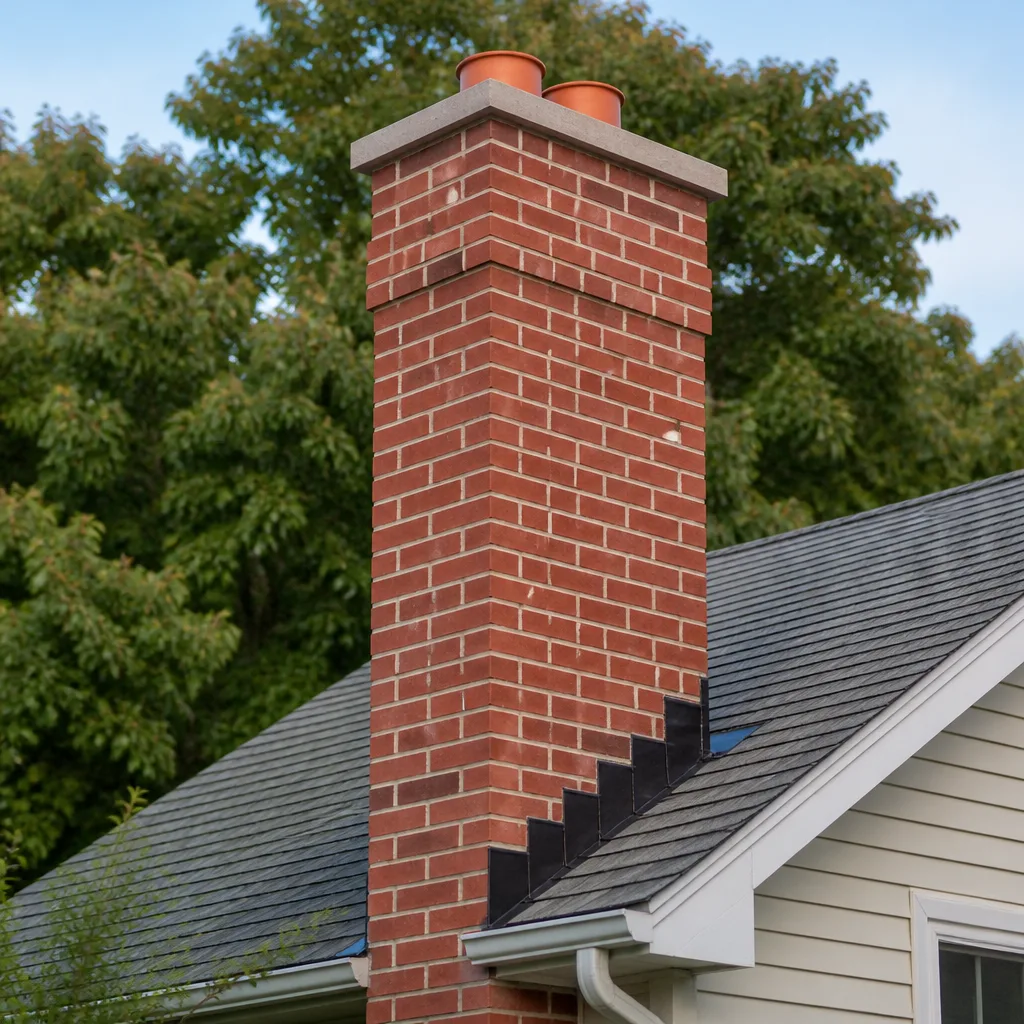 Masonry repair
 Gas fireplace service
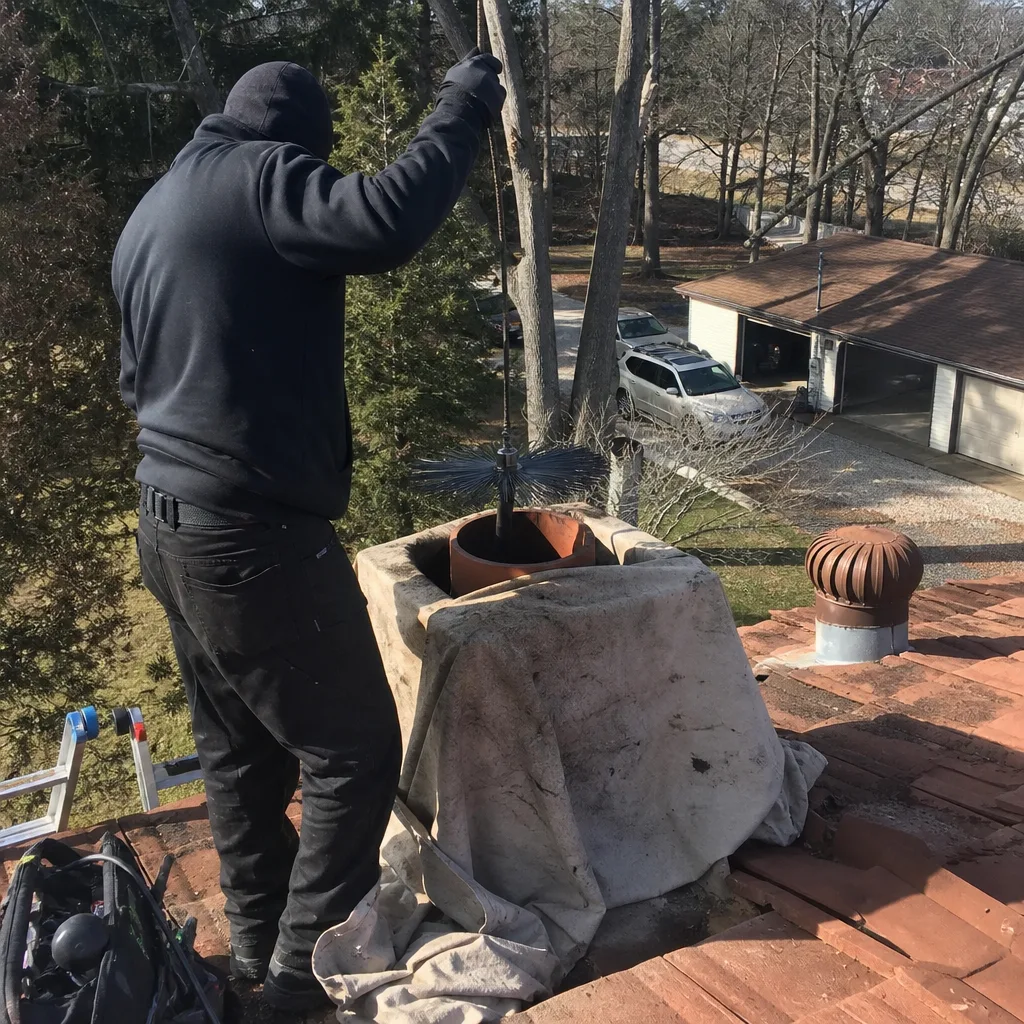
Level 1 sweep and inspection to the NFPA 211 annual standard - flue, crown, cap, and flashing checked and photographed
Chimney sweep logs do not sweep chimneys. They loosen some creosote - which then falls where a brush and vacuum still have to collect it.
Choosing the Right Chimney Cleaning Brand: A Buyer’s Guide for Evansville
Stainless steel chimney liners come in at least three different alloy grades, and the cheapest kits sold online often aren’t rated for wood-burning appliances. Yet they get installed in Evansville homes every year by contractors who don’t disclose that distinction. That gap between what’s specified and what’s actually put in the flue is where chimney problems start – and where a homeowner’s money quietly goes to waste. In this guide, we walk through the alloy grades that matter, the difference between professional-grade systems and generic imports, the questions to ask a contractor before they quote a reline, and how to read a spec sheet without a materials background. By the end, you’ll know what you’re paying for.
Quick Answer
The right chimney liner brand is the one rated for your fuel type and installed to manufacturer spec – not the cheapest kit on the shelf. For wood-burning fireplaces in Evansville, that usually means a 316Ti or 316L stainless system from a recognized maker like DuraFlex or Olympia Chimney, not a generic import with no spec sheet. Ask your contractor what system they’re using, ask to see the spec sheet, and confirm the installation will meet local code before any work begins.
Styles & brands we work with
- Sweep & inspection
- Caps & crowns
- Flue relining
- Masonry repair
- Gas fireplace service
Table of Contents
- The Alloy Grades That Actually Matter
- Professional-Grade Brands vs. Generic Imports
- Questions to Ask Before You Hire
- What a Spec Sheet Should Show You
- Caps and Crowns: Materials That Outlast Cheap Imports
- Why Installation Detail Beats Brand Name
- The Evansville Climate Factor
- When to Call a Professional
The Alloy Grades That Actually Matter
Three stainless alloys dominate residential chimney liner work: 304, 316Ti, and 316L. They’re not interchangeable. Each is rated for a different set of operating conditions, and the grade a contractor picks tells you how carefully they’re matching the product to the appliance. When we inspect a flue in Evansville and find an existing liner, the first thing we want to know is the alloy stamp – it narrows down what the system was built for and what it can safely handle.
Here’s the short version of each grade:
- 304 stainless: The baseline alloy. Fine for certain venting applications and some gas appliances, but not rated for the sustained temperatures and acidic condensate that wood-burning appliances produce. If you see 304 on a wood appliance, ask why.
- 316Ti (titanium-stabilized): The workhorse for wood-burning fireplace inserts and most solid-fuel appliances. The titanium stabilization resists the chloride attack and thermal cycling that wood exhaust throws at a liner. This is the grade most professional-grade wood liner systems use.
- 316L (low-carbon): Similar corrosion resistance to 316Ti with better weldability, often specified for wood and pellet applications where the installer wants tighter weld quality around seams and joints.
The cheapest liners sold online are frequently ungraded or mislabeled – sometimes 304 passed off as 316, sometimes recycled scrap steel with a stamp that doesn’t mean what the buyer thinks. In wood applications, a low-grade alloy fails from the inside out. You won’t see the corrosion until the flue starts leaking or the liner collapses. That’s why the query “chimney liner brands Evansville IN” matters so much: it’s the start of a decision that determines what’s inside your chimney for the next two decades.
If you’re unsure what grade you have or need, a professional chimney sweep visit includes a camera inspection that can identify the existing liner material and condition. We don’t guess – we look.
Professional-Grade Brands vs. Generic Imports
Walk into a hardware store and you can buy a “chimney liner kit” for less than a pro-grade flue pipe section. What you get for that price is often an unvented, unrated piece of stainless tube produced to no recognized standard, wrapped around a knockoff cap and a tube of caulk. What you don’t get is a spec sheet with alloy grade, wall thickness, temperature rating, or listing. Generic imports undercut on price because they don’t pay for the testing that makes a liner a liner.
Professional-grade brands – Gelco, Olympia Chimney, Famco, Copperfield – are the systems that contractors specify because they publish their specs. Each maker maintains written documentation for every product line: alloy, gauge, maximum flue-gas temperature, warranty terms, and recommended fuel applications. When a homeowner calls us after buying an import kit off a marketplace site, the usual problem is that no one can tell them what it’s made of, so no one can tell them if it’s safe. We inspect before we sweep, which means we can tell you straight whether the liner you already have is a professional system or a cost-cut import.
There’s another angle here. The brands used by chimney professionals are also the brands that supply the parts – caps, top plates, flashing, adapters, sealing systems – that fit together. A generic kit often has metric dimensions that don’t match standard US flue components. That means when the crown needs repair three years later, there’s no matching part. We work with a curated roster of professional-trade brands so the whole system fits and lasts, not just the bit you can see from the roof.
Questions to Ask Before You Hire
A homeowner can learn almost everything they need about a chimney contractor by asking four questions. Not because contractors are dishonest, but because the answers reveal whether they work with brands they understand or just buy whatever is cheapest that week. We’d rather a homeowner ask us these questions than hire someone who can’t answer them.
- “What liner system are you planning to install, and what alloy is it?” A pro should name the brand and the grade without looking it up. If the answer is “stainless steel” with no brand or grade, ask for more detail.
- “Can you show me the manufacturer’s spec sheet for that system?” Every recognized brand publishes one. If the contractor can’t produce it, the product may not have one.
- “Is the liner rated for wood-burning appliances?” A 304 stainless liner may be rated for gas but not wood. The answer should be specific.
- “Will you pull the permit, and is this installation going to meet local code?” Evansville and Vanderburgh County have permit and inspection requirements for chimney work. A contractor who says “we don’t bother with permits” is telling you something important.
Ask these before you sign anything. If you already have a fireplace and aren’t sure its history, we’re glad to inspect it as part of a chimney repair evaluation. We’ll tell you what we find in plain language, no upsell pressure.
What a Spec Sheet Should Show You
A manufacturer’s spec sheet for a chimney liner is a technical document, but it’s not hard to read once you know what to look for. Every professional-grade liner has one, and it should include the following, at minimum:
- Alloy grade and composition (304, 316Ti, 316L, or similar) with the stainless designation printed clearly.
- Wall thickness in inches or mils – thicker walls mean longer service life under thermal cycling.
- Maximum flue-gas temperature rating and the fuel types the liner is listed for.
- Listing or certification to a recognized standard (UL 1777 is the common one for chimney liners).
- Warranty terms – length, what’s covered, what voids it.
- Installation requirements – insulation, clearance to combustibles, support method.
If a spec sheet is missing any of these, or if the contractor can’t produce one at all, treat that as a red flag. We use HeatShield, the contractor-grade system for chimney liner resurfacing, precisely because it comes with full documentation. HeatShield is the industry standard for restoring deteriorating flue tiles without full demolition – it resurfaced a flue from the inside, keeping the original tile in place, and that’s a much less invasive repair than a full reline. A contractor who’s never heard of it is likely a sweep-only operation, not a full-service chimney company.
Caps and Crowns: Materials That Outlast Cheap Imports
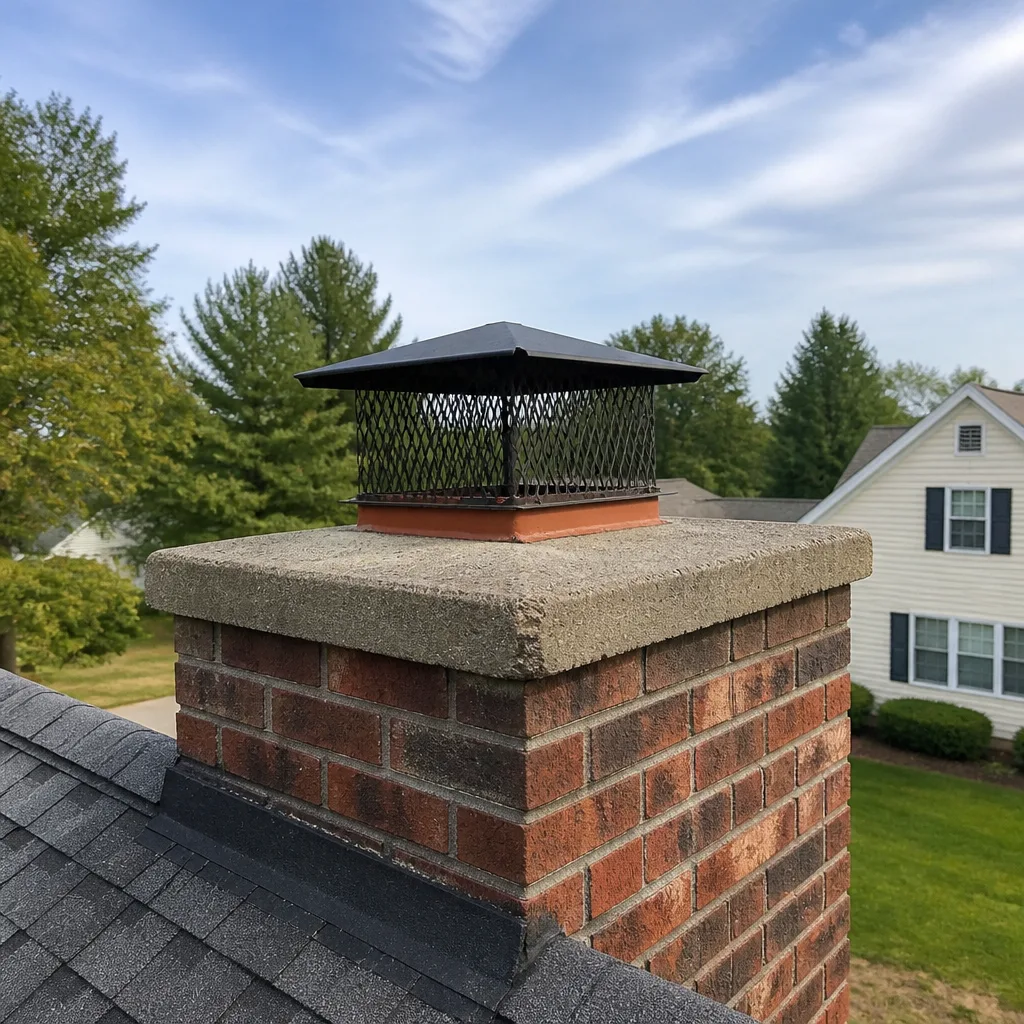
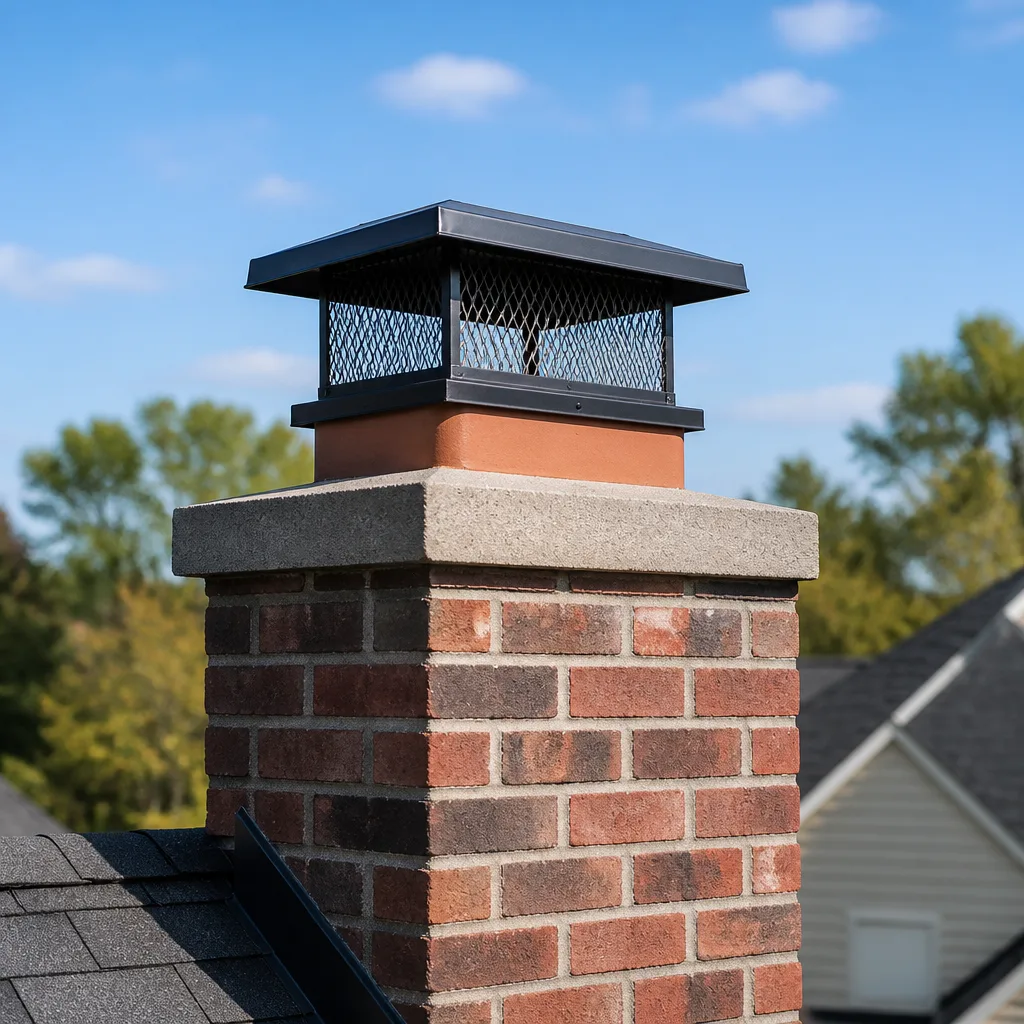
The cap and crown get less attention than the liner, but they’re the two components that determine how long everything underneath lasts. A chimney cap is the first line of defense against water, animals, and debris. A crown is the concrete or masonry surface at the top that sheds water away from the flue. Get either wrong and you’re inviting moisture into the system – which is the main cause of chimney deterioration in this part of Indiana.
Cap materials matter more than most homeowners realize:
- Galvanized steel caps: The cheapest option. They’ll last several years but rust through faster than stainless, especially when exposed to freeze-thaw cycles and summer humidity. Not the right choice for a long-term install.
- Aluminum caps: Light and rust-resistant, but softer than stainless and prone to damage from wind-blown limbs or hail. Reasonable for some applications, but not the most durable.
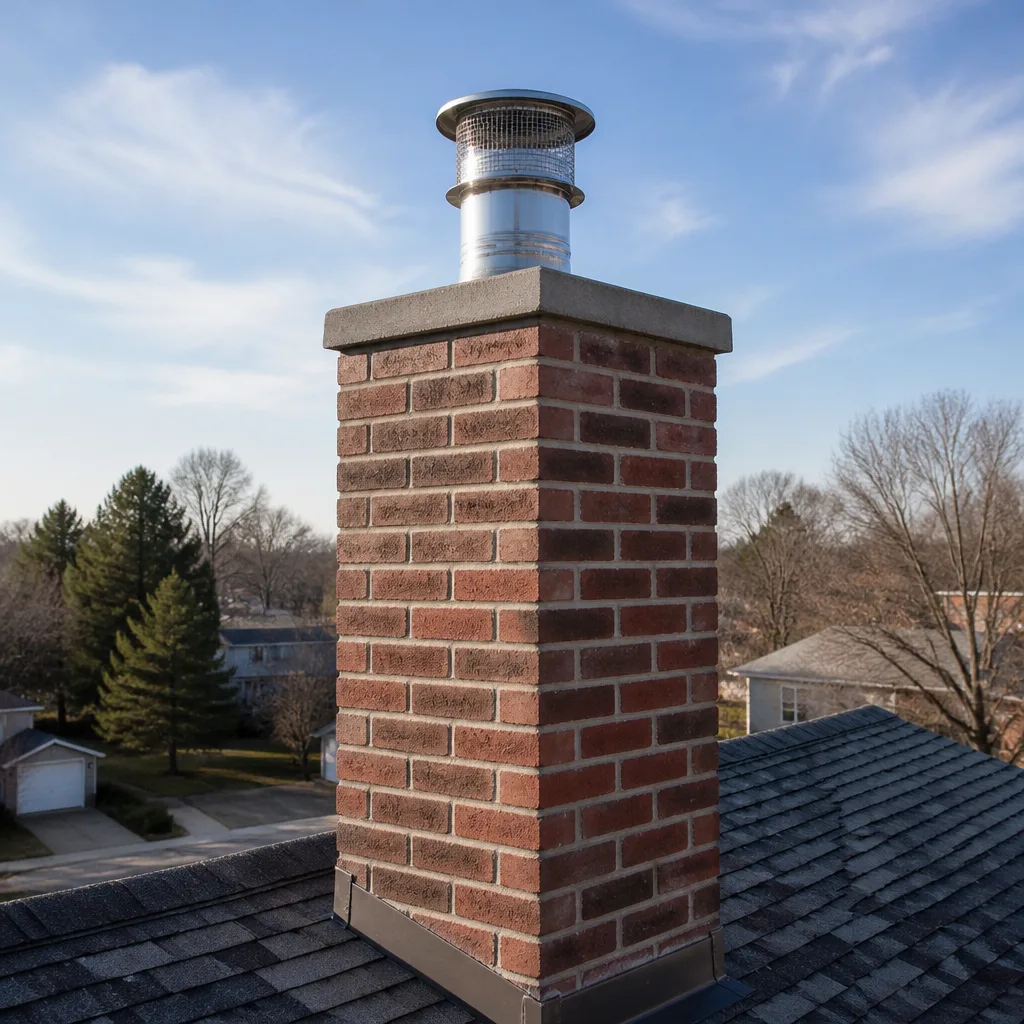
- Stainless steel caps: The longest service life of the three. They cost more upfront, but they’re the right match for a professional stainless liner system and they hold up to Evansville’s cycles of wet winters and humid summers.
Crowns have their own material hierarchy. Poured-in-place concrete crowns, properly sloped and sealed, last decades. Thin mortar washes and “crown coat” products applied over a failing crown are a temporary fix at best. Famco and Copperfield both make crown and cap components designed to pair with their liner systems, which is one reason we prefer working with a matched system rather than piecing together parts from different makers.
If you’re not sure what’s on top of your chimney, a sweep visit with a camera inspection will show you. We include a photo report so you can see what we see.
Why Installation Detail Beats Brand Name
Here’s the part most buyer’s guides leave out: a professional-grade liner installed wrong is worse than a mid-grade liner installed right. The brand on the box matters less than whether the contractor follows the manufacturer’s installation instructions and local code to the letter. A DuraFlex system with the wrong clearances, inadequate insulation, or a poorly sealed top plate will fail prematurely no matter how good the alloy is.
What “installed to spec” actually means for a chimney liner:
- Proper sizing. The liner has to match the appliance’s venting requirements – too large and the flue runs cold, too small and it drafts poorly.
- Correct clearance to combustibles. The manufacturer specifies minimum clearances; they’re not negotiable.
- Insulation where required. Wood-burning liner systems often need insulation wrap to maintain flue temperature and prevent condensation.
- Sealed top plate and cap. The connection at the crown has to be watertight, not caulked and hoped for.
- Appliance connection checked. The insert or stove collar has to mate correctly with the liner, with no gaps.
When we install a DuraFlex flexible liner system, we follow the manufacturer’s spec to the letter, and we document what we did. That matters if you ever sell the house, file an insurance claim, or need warranty service. Most sweep-only companies can’t do this work at all – they refer it out. We handle it in-house because relining is part of the chimney service cycle, not a separate trade.
If you live in or around Evansville, you’ve probably seen chimney work done by generalist handymen or HVAC companies. There’s nothing wrong with a handyman, but a chimney is a specialized system. A specialist who does nothing but chimney work learns to spot problems faster and gets the installation details right the first time.
The Evansville Climate Factor
Evansville sits in a climate band that punishes chimney systems in a particular way: wet winters, humid summers, and enough freeze-thaw cycling to work on masonry and metal alike. A liner that would last thirty years in a dry climate can fail faster here if it’s not properly insulated or if the crown isn’t shedding water correctly. We see this pattern repeatedly across Evansville neighborhoods – older homes near downtown with original tile flues, newer construction on the city’s east and north sides with inserts that were installed without a full liner upgrade, and everything in between.
What does this mean for brand choice? Two things:
- Stainless grade matters more here than in dry climates. The combination of wood-smoke acidity and seasonal moisture accelerates corrosion in low-grade alloys. A 316Ti system is a better investment in Evansville than a 304 would be, because the operating environment is harsher.
- Caps and crowns need to be stainless or high-grade concrete. The freeze-thaw cycle cracks cheap galvanized caps and thin mortar crowns within a few seasons. The money you save on a cheap cap gets spent twice on repairs.
We know this because we work in Evansville every day – the same streets, the same housing stock, the same weather. It’s not a marketing claim. It’s just what we see.
Common Mistakes to Avoid
- Buying a liner kit online without a spec sheet. If you can’t find the alloy grade, wall thickness, and UL listing in the listing, don’t buy it. The $200 you save won’t cover the cost of a failed liner.
- Hiring a sweep-only contractor for a reline. Many chimney sweeps are excellent at cleaning but don’t carry the products or the training to install a liner correctly. Ask upfront whether they do the work themselves or refer it out.
- Assuming the brand name alone guarantees a good install. A premium liner installed wrong fails faster than a mid-grade liner installed correctly. Ask about installation details, not just product names.
- Skipping the camera inspection. A sweep with a camera shows you exactly what’s in your flue – cracks, gaps, corrosion, animal nests. Without it, you’re guessing.
- Mixing components from different makers. A cap from one brand on a liner from another often means a poor fit and a leak point. Use matched systems where possible.
- Ignoring the crown because the liner is new. A new liner under a failing crown will be exposed to water intrusion from day one. Fix the crown at the same time or you’ll be back in the flue soon.
- Not asking about permits. Chimney work in Evansville and Vanderburgh County typically requires a permit. A contractor who skips permits leaves you with an unpermitted installation that can complicate insurance and resale.
See the difference
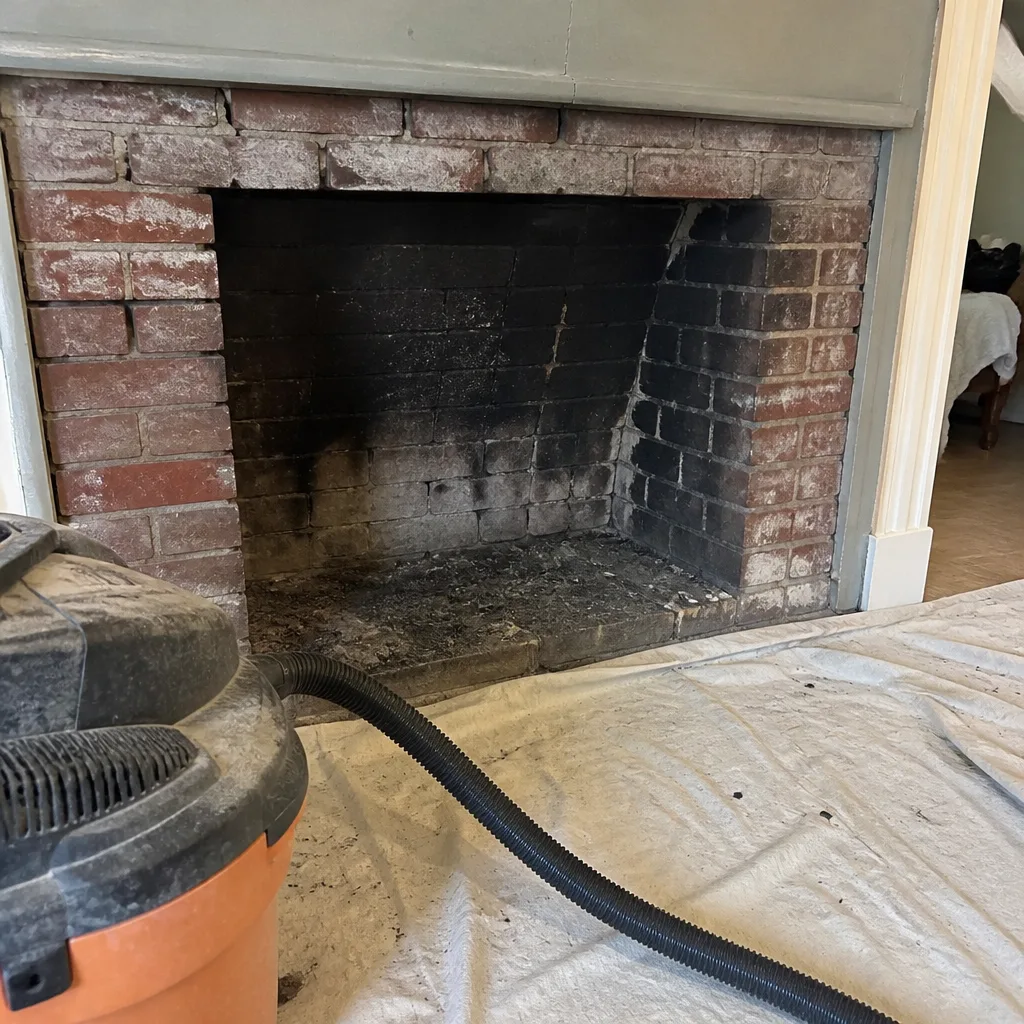 Before
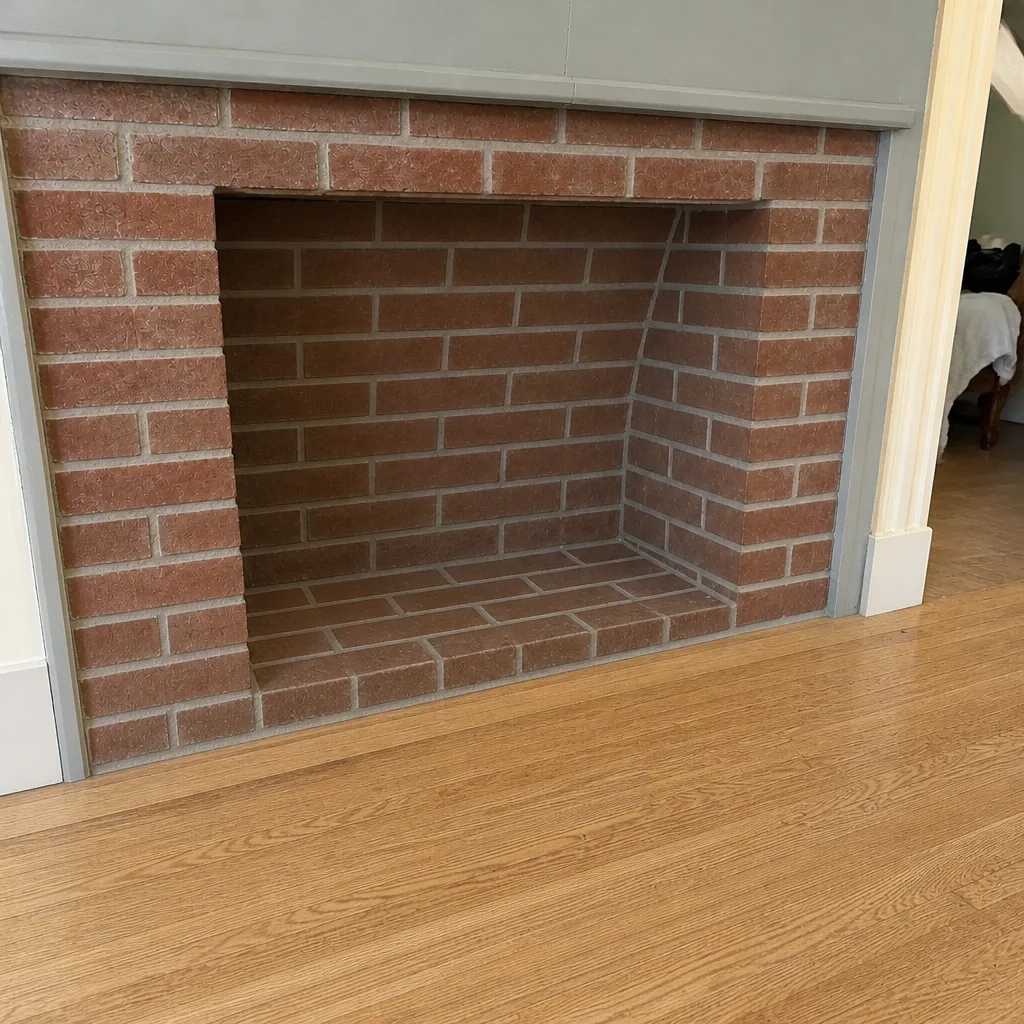 After
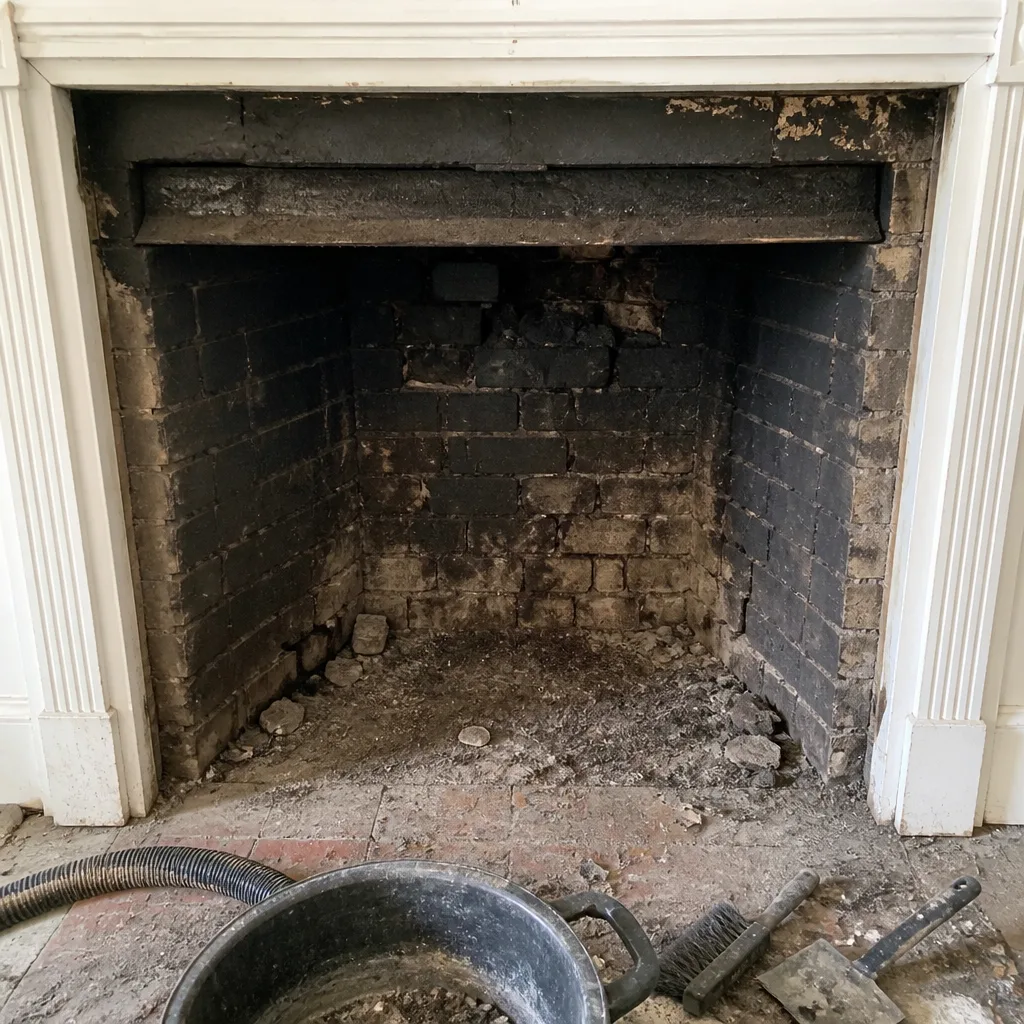 Before
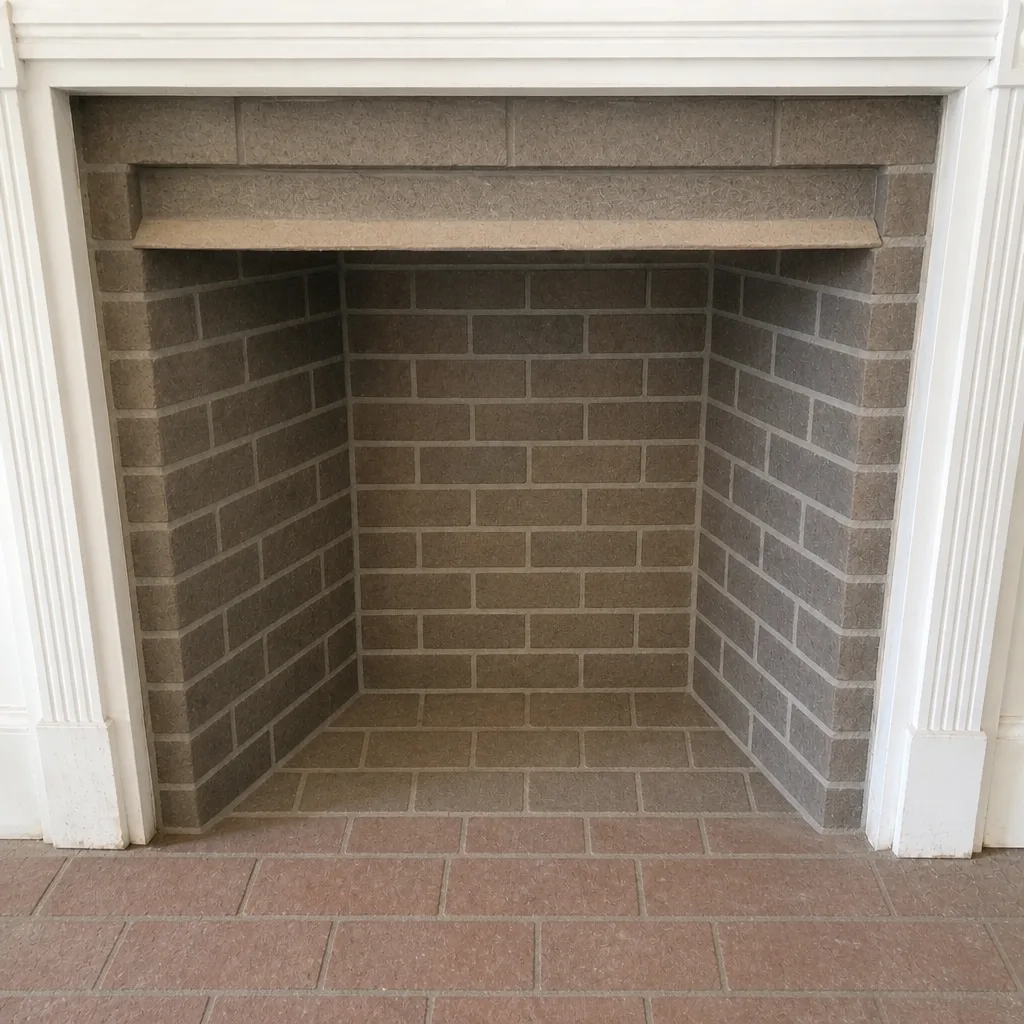 After
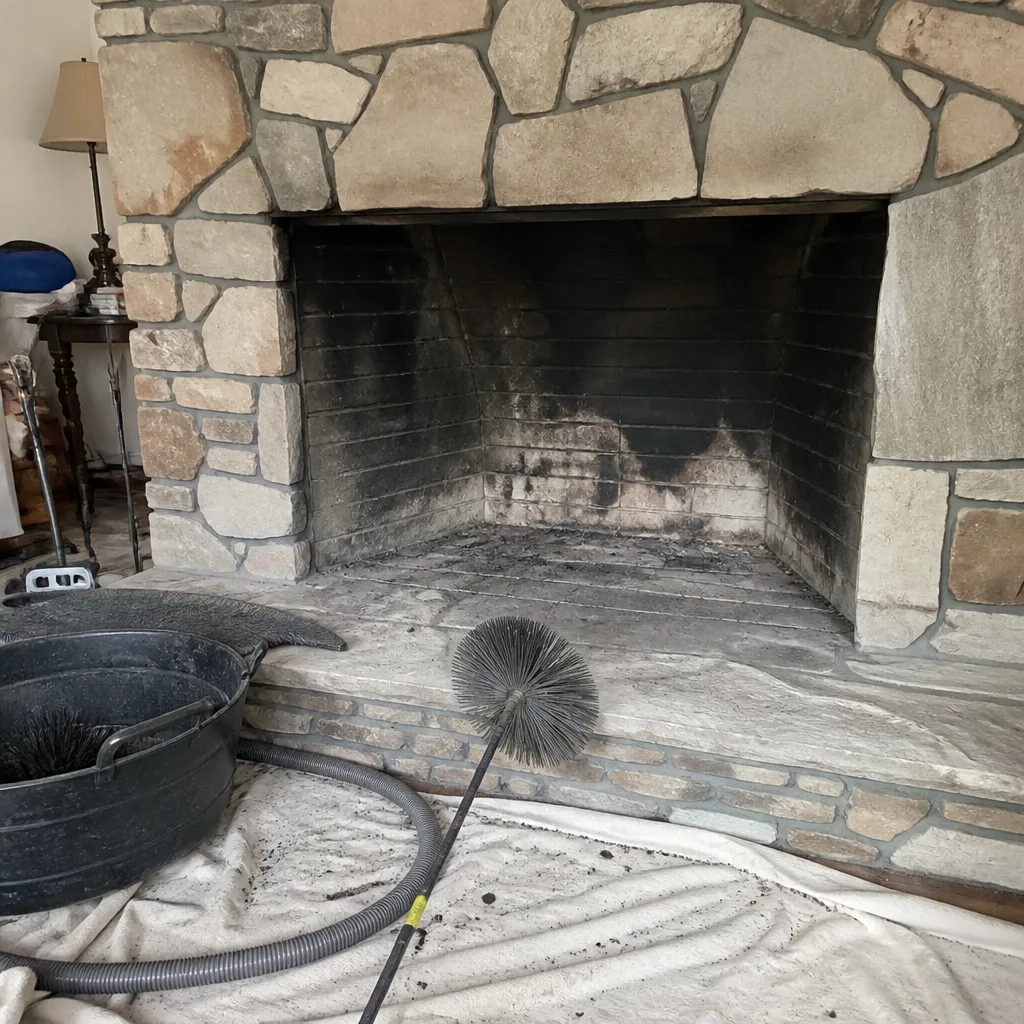 Before
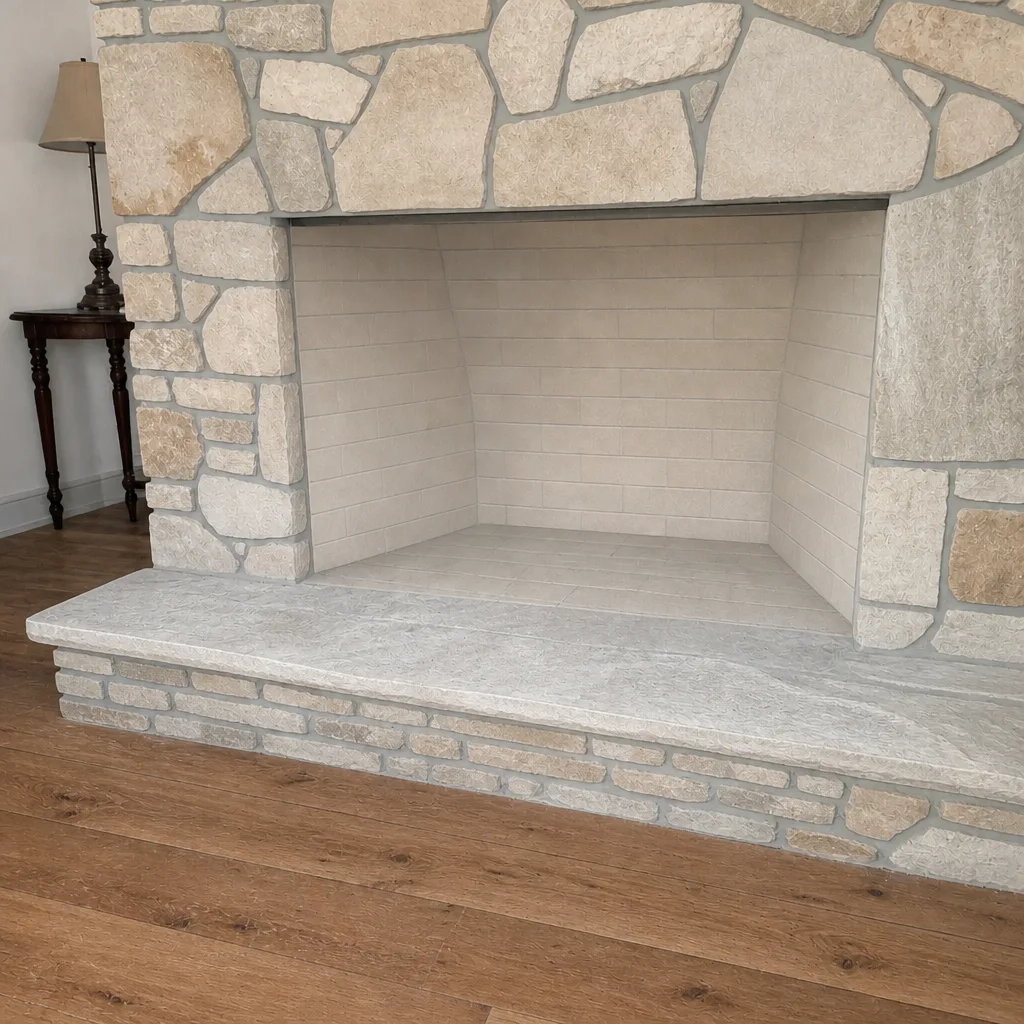 After
When to Call a Professional
Some chimney work is straightforward maintenance. Other situations call for a trained specialist – and this is one of those cases. High-tension springs, electrical components, and gas lines are genuinely dangerous to work on without training. A chimney liner and flue system is in the same category when the appliance is active: hot gases, acidic condensate, and often a confined space. If you’ve noticed creosote buildup, smoke backing into the room, a cracked flue tile, water staining around the firebox, or a liner that looks corroded, it’s time for a professional inspection.
Chimney Sweep Evansville offers free estimates in Evansville. Call (833) 365-6875. We answer 24/7. Fast dispatch from 7am to 7pm, Sunday through Friday. We inspect before we sweep, so you’ll know exactly what’s up there – with a photo report and a plain-language explanation of what we find.
Frequently Asked Questions
There’s no single best brand – the right choice depends on your fuel type and appliance. For wood-burning fireplaces in Evansville, a 316Ti or 316L stainless system from a recognized maker like DuraFlex or Olympia Chimney is usually the right match. Ask your contractor for the spec sheet and confirm the grade before you commit. Call (833) 365-6875 to book an inspection – estimates are free.
Usually not. Most import kits sold online either don’t specify the alloy grade or use a grade that isn’t rated for wood-burning temperatures. Without a UL listing and a spec sheet, there’s no way to verify the liner is safe for your appliance. Have us inspect before you install anything – the visit is free.
It’s stamped on the liner, and a camera inspection can usually read it. If the stamp is worn or hidden, the installer’s paperwork or the original install records may tell you. We check the grade as part of a standard inspection. Call us at (833) 365-6875 to schedule.
A properly installed 316-grade stainless liner typically lasts fifteen to twenty years or more, but Evansville’s wet winters and humid summers can shorten that if the liner isn’t insulated or the crown isn’t shedding water correctly. A 304-grade liner in a wood-burning application will fail faster. Ask about installation details when you get a quote.
In most cases, yes – chimney liner installations typically require a permit and an inspection through the local building department. Confirm the requirement with your contractor before work begins, and get the permit in writing. We can walk you through what’s needed. Call (833) 365-6875 for an estimate.
Yes, if both are from a compatible system. Mixing caps and liners from different makers often creates fit issues and leak points at the top plate. We work with a matched set of professional brands – Gelco, Olympia Chimney, Famco, Copperfield – so the system fits together. Call (833) 365-6875 with the cap info you have and we’ll tell you what’s possible.
The Bottom Line
Choosing a chimney cleaning brand is really a decision about what’s going inside your flue for the next two decades. The brand on the box matters less than three things: the alloy grade matches your fuel type, the system is a professional-grade product with a published spec sheet, and the contractor installs it to manufacturer spec and local code. Everything else is details.
For Evansville homeowners, the practical answer is usually a 316Ti or 316L stainless system from a recognized maker, installed by a chimney specialist who can show you the spec sheet and photograph what they find. We work with DuraFlex, HeatShield, Gelco, Olympia Chimney, Famco, and Copperfield because they’re the systems the pros specify – and because a clean chimney is a starting point, but a safe chimney is the goal.
Call Chimney Sweep Evansville at (833) 365-6875 for a free estimate. We answer 24/7. Fast dispatch from 7am to 7pm, Sunday through Friday.
Written by the team at Chimney Sweep Evansville.