
Last updated November 15, 2026
 Sweep & inspection
 Caps & crowns
 Flue relining
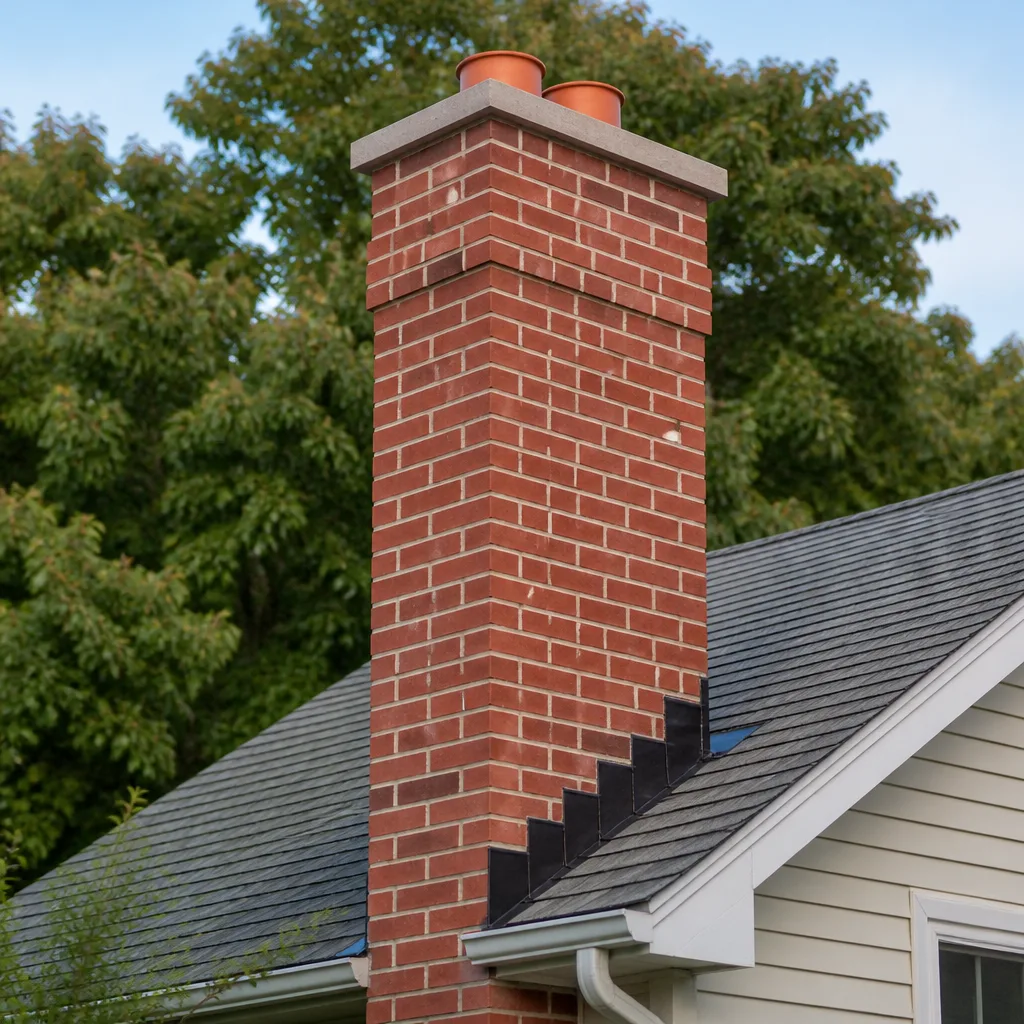 Masonry repair
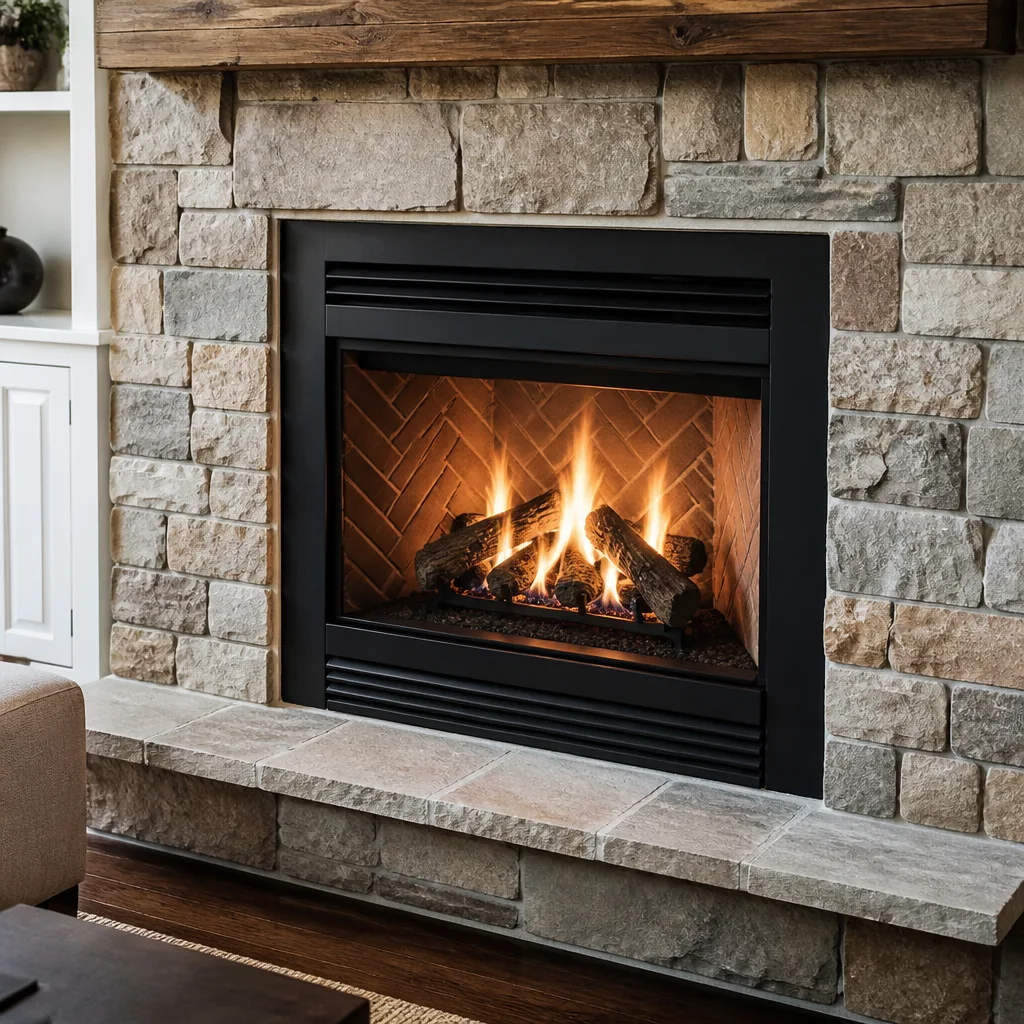 Gas fireplace service
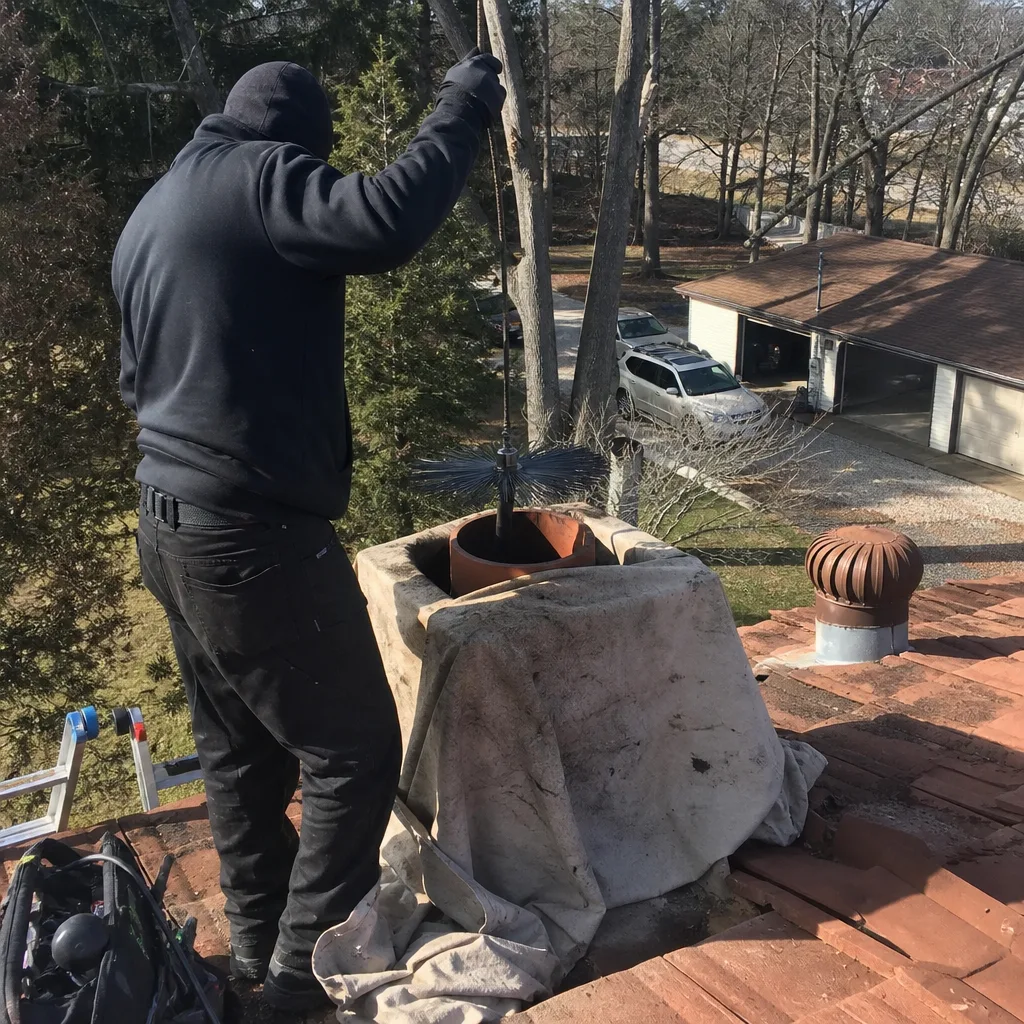
Level 1 sweep and inspection to the NFPA 211 annual standard - flue, crown, cap, and flashing checked and photographed
Chimney sweep logs do not sweep chimneys. They loosen some creosote - which then falls where a brush and vacuum still have to collect it.
Chimney Sweep Maintenance Schedule: What to Do and When
The advice you’ll find on nearly every chimney safety page is the same: get your chimney inspected once a year. That standard comes from the National Fire Protection Association, and it’s a good floor. But it was written to cover every fireplace in every climate, which means it doesn’t tell you the one thing that actually matters for your house: what your schedule should look like given what you burn, how often you burn it, and how old your liner is. An Evansville homeowner running four cords of wood through a fireplace each winter has a different maintenance rhythm than someone who lights a gas log a few evenings a month. This guide builds separate schedules by fuel type, ties the work to Evansville’s heating calendar, and explains which tasks you can handle yourself and which need a trained technician with the right tools.
Quick Answer
Most wood-burning chimneys in Evansville need sweeping once a year, and heavy burners need a mid-season check as well. Gas and oil appliances follow different intervals because they produce different byproducts. Every chimney should get an annual inspection regardless of fuel type, and any chimney that has just been repaired or relined needs its first inspection within the first year of service. A clean chimney is a starting point; a safe chimney is the goal, and the schedule is how you get there.
Styles & brands we work with
- Sweep & inspection
- Caps & crowns
- Flue relining
- Masonry repair
- Gas fireplace service
Table of Contents
- Why Annual Is the Minimum, Not the Whole Plan
- The Wood-Burning Track
- The Gas Appliance Track
- The Oil Appliance Track
- Creosote Stages and Why Burn Frequency Changes the Interval
- Your Evansville Seasonal Calendar
- What You Can Check Yourself vs. What Needs a Pro
- What Changes After a Repair or Liner Installation
Why Annual Is the Minimum, Not the Whole Plan
Chimney sweeping advice tends to treat all fireplaces as interchangeable. They aren’t. The National Fire Protection Association’s once-a-year inspection standard is deliberately broad because it has to cover a cabin in Montana, a condo in Florida, and a hundred-year-old brick chimney in Evansville all at once. It tells you the floor. It doesn’t tell you whether your particular setup needs more.
Three variables change the answer:
- Fuel type. Wood, gas, and oil produce completely different combustion byproducts, and those byproducts fail in different ways. A gas flue can corrode silently; a wood flue builds creosote that you can see.
- Burn frequency. A fireplace used four nights a week from October through March accumulates deposit far faster than one lit on holidays. Calendar time alone doesn’t capture that.
- Age and condition of the liner. A newer stainless liner behaves differently from sixty-year-old clay tile. Older tile has cracks, gaps, and missing mortar joints that need watching.
In our experience, the homeowners who run into trouble are rarely the ones who skipped the annual sweep entirely. They’re the ones who got the annual sweep, assumed the box was checked, and never adjusted the interval when their burning habits changed. Someone who switches from occasional fires to heating a good part of the house with wood needs a different schedule the same season, not next year.
The schedule below is built to fix that. It gives you a track for your fuel type, a calendar tied to Evansville’s heating season, and a clear line between what you can check yourself and what needs a professional.
The Wood-Burning Track
Wood-burning fireplaces and wood stoves in Evansville generally need a sweep once per heating season. If you burn more than a cord or two, or you burn green or unseasoned wood, plan on an additional mid-season inspection around January or February. That mid-season check isn’t about cleaning; it’s about catching a problem before spring, when a partially blocked flue or a cracked tile can go unnoticed for months.
A typical wood-burning maintenance cycle looks like this:
- Late summer or early fall: pre-season sweep and full inspection. This is the most important appointment of the year.
- Before the first fire: cap check, damper operation check, and a look at the firebox for loose brick or deteriorated mortar.
- Mid-winter (heavy burners only): a visual flue check and confirmation that draft is still strong.
- Spring, after the heating season ends: a post-season inspection to catch damage that winter weather may have caused, especially at the crown and flashing.
Wood-burning chimneys also fail from the outside in. Evansville gets freeze-thaw cycling through the winter, and water that works into a cracked crown or a failed flashing seal will split masonry over a few seasons. That’s why the spring inspection matters as much as the fall sweep. The chimney repair work we do most often starts with something a spring inspection would have caught early: a hairline crack in the crown, a spalling brick, a masonry joint that’s washed out.
The wood-burning track also means paying attention to how you burn. Seasoned wood, hot fires, and good airflow all reduce creosote. Smoldering, damp wood, and a choked-down damper all make it worse. The schedule is only half the equation; what you put in the firebox is the other half.
The Gas Appliance Track
Gas fireplaces and gas inserts don’t build creosote, so the wood-burning sweep interval doesn’t apply. But that doesn’t mean they get a pass. Gas appliances produce water vapor and mildly acidic condensate, and in a flue that wasn’t designed for it, that condensate eats metal and mortar from the inside. A gas flue can be actively deteriorating while it looks perfectly clean from the firebox.
For gas appliances, plan on an annual inspection, and watch specifically for:
- Corrosion on the vent or liner, especially at the joints
- White, chalky staining on masonry near the vent termination
- Deteriorated mortar in the flue tiles where condensate has been pooling
- A blocked or partially blocked vent cap, which is a serious safety issue on any gas appliance
- Soot or debris in the firebox that suggests incomplete combustion
Gas logs and inserts also have their own internal components: pilot assemblies, thermocouples, and burners, which can develop carbon buildup or drift out of adjustment. That’s work for a technician trained on gas, not a general handyperson. If you’ve inherited a gas insert of unknown age, a first inspection is worth scheduling before you use it, so you know what you’re working with.
Gas chimneys tend to fail quietly. There’s no visible smoke, no obvious soot line, and no creosote to signal a problem. That’s exactly why the annual inspection carries more weight on the gas track than it does on wood: the failure mode is invisible until it’s serious.
The Oil Appliance Track
Oil-fired appliances, usually furnaces and boilers, produce soot and sulfur byproducts, and the flue needs both an annual cleaning and an annual inspection. The soot from oil is different from wood soot in an important way: it’s acidic, and it holds moisture against the liner. Left in place, oil soot will corrode a metal flue or eat into the mortar joints of a masonry chimney.
The oil track also involves the appliance itself. Oil burners need nozzle and filter service, and the chimney flue needs to be checked for soot buildup and corrosion at the same time. Scheduling the two together makes sense because the state of the flue tells you a lot about how the burner is running. A flue that soots up heavily between cleanings is telling you something about combustion efficiency.
Oil-fired flues in Evansville need attention in spring as much as fall. Soot left sitting in a flue over the humid summer months does more damage than soot in a dry, cold flue. A spring cleaning followed by an inspection is the better pattern for oil than a single fall appointment.
One more consideration: if your oil appliance shares a chimney with another appliance, or if the flue serving it was originally built for a different appliance, the schedule and inspection need to account for both. That’s a conversation to have with your technician, not a call you can make on your own.
Creosote Stages and Why Burn Frequency Changes the Interval
Creosote builds in stages, and each stage calls for a different response. Understanding the progression explains why a heavy burner’s schedule looks different from that of someone who lights a fire once a week.
Stage 1 is a fine, flaky soot that brushes off easily. A standard sweep handles it. Most well-run wood fireplaces stay in Stage 1 for a full season.
Stage 2 is a thicker, tar-like deposit. It clings to the flue walls and takes more than a brush to remove. Stage 2 creosote is common in fireplaces that get a lot of use and burn wood that isn’t fully seasoned. It’s also the stage where the interval starts to shorten: a chimney that reaches Stage 2 in one season needs more than one sweep a year.
Stage 3 is a glazed, hardened deposit that looks almost like a coating of tar. It’s the most dangerous form because it’s very difficult to remove and it ignites readily. Stage 3 creosote usually forms when a fire is repeatedly burned cool and smoldering, or when the flue is oversized for the appliance. Once a flue reaches Stage 3, sweeping and inspection move up in urgency.
Here’s the practical takeaway. The interval isn’t really about how long it’s been since the last sweep. It’s about how fast your particular appliance builds deposit. A wood stove run hard from October to March can produce more creosote in one season than a fireplace used on holidays produces in five. And once a flue reaches Stage 3, the timeline compresses: the deposit can’t be left sitting through the summer.
What you can’t do is judge creosote stage by eye from the firebox. A flue can look perfectly clean at the top of the firebox and be three-quarters glazed further up. That’s why we inspect before we sweep, so you know exactly what’s up there before anything is brushed.
Your Evansville Seasonal Calendar
Evansville’s heating season runs long enough that the timing of your maintenance actually matters. The calendar below is the pattern we recommend to homeowners in the area.
- Spring (April – May): post-heating-season inspection. Catch winter damage – cracked crown, failed flashing, spalling brick, loose cap – before summer storms and humidity make it worse.
- Summer (June – August): if a repair is needed, this is the best season for it. Masonry work and relining go better in dry, warm weather.
- Early fall (September): pre-season sweep and full inspection. Cap check, damper check, flue check. This is the appointment that matters most for wood burners.
- Late fall / first cold snap: before the first fire, if you haven’t done the September sweep yet. Once the heating season starts, schedules get tight.
- Mid-winter (January – February): heavy burners should plan a mid-season check. If you’re burning more than a cord and a half, or you’ve noticed weaker draft, pull it forward.
- Any time after a repair: a first-year inspection of any new liner or restoration, which we cover in a later section.
One local note: Evansville’s spring storm season can do real damage to a chimney crown or flashing that was already marginal. The house doesn’t have to take a direct hit; the wind-driven rain alone can find a crack that winter freeze-thaw opened up. That’s why the spring inspection is worth doing, not skipping because “the sweep was already done in the fall.”
What You Can Check Yourself vs. What Needs a Pro
Some chimney tasks are safe for a homeowner who’s careful. Others aren’t, and the line between them matters more than most maintenance guides admit. Here’s where we draw it.
You can safely handle:
- Clearing leaves and debris off the chimney cap, from the ground or a stable ladder if the roof is low and dry
- A visual inspection of the firebox for loose brick, missing mortar, or obvious cracks
- Checking that the damper opens and closes freely
- Confirming that the cap is intact and not clogged with bird nests or debris
- Making sure the top of the chimney is clear of tree branches
You should not attempt:
- Climbing on a steep or wet roof, or any roof you’re not confident on
- Removing creosote from the flue yourself – the interior of a flue isn’t a place to work without proper brushes, rods, and the ability to see what you’re doing
- Pulling a gas insert or a wood stove out to check behind it
- Working on any electrical or gas component
- Removing or replacing a cap, which is heavier and more awkward than it looks from the ground
We flag one hazard specifically. A wood-burning chimney is a dangerous system to work inside, and the flue can be coated with flammable creosote in a way you can’t see from the firebox. There’s no step-by-step “how to sweep your own chimney” worth printing, because that’s how people get hurt. A trained technician uses the right tools and can see the flue from top to bottom. Above a firebox, safety isn’t a matter of effort; it’s a matter of having the right setup.
If you’re in doubt about what you’re looking at from the firebox, the correct move is to schedule an inspection, not to climb on the roof. The chimney sweep visit includes a full inspection anyway, so you get the check without the risk.
What Changes After a Repair or Liner Installation
A repaired chimney or a new liner isn’t a “set it and forget it” job. New systems settle, and the first year is when you learn how they behave in your house. That’s why we always recommend a first-year inspection after any relining, restoration, or major repair. Most homeowners skip it, and it’s the appointment we see missed most often.
Here’s what the first-year checkpoint is checking for:
- The new liner’s connections and cap are still secure
- No unexpected creosote behavior – a relined flue often drafts differently and the appliance may need adjusting
- No signs of condensation or corrosion where the liner meets the appliance
- The masonry or crown around the new installation is holding up through a full freeze-thaw cycle
- The appliance itself is burning the way it should against the new flue
We do relining with DuraFlex flexible liner systems, and we use HeatShield resurfacing for flue tiles that are deteriorating but not ready for full replacement. Both systems are proven, but neither is maintenance-free. A liner installation is the start of a new maintenance track, not the end of the old one. Copperfield, Olympia Chimney, and Gelco components show up in the systems we work with regularly, and those are the same systems we inspect and maintain after they’re installed.
The first-year inspection also gives you a baseline. Once you know how a relined flue behaves in your first full heating season, you can set a realistic sweep interval based on what your chimney actually does, not a guess. That’s a much stronger starting point for the years that follow.
If you’re not sure of your chimney’s history, which is common in a newer home purchase, a full inspection is the best first step. We work in Evansville and the surrounding area, and the inspection tells you what you’re dealing with before the first fire.
Common Mistakes to Avoid
- Skipping the mid-season check on a heavy-burner. The annual sweep is the floor, not the ceiling. If you’re heating with wood through the winter, add a January or February visual check.
- Judging creosote stage from the firebox. A flue can look clean at the top and be heavily glazed further up. Only a proper flue inspection tells you the real condition.
- Assuming a gas insert doesn’t need annual service. Gas flues corrode silently, and there’s no soot line to warn you. The inspection matters more on gas, not less.
- Doing the spring inspection, then skipping the fall sweep. They catch different things. Spring catches winter damage; fall preps the flue for the heating season.
- Missing the first-year check after a repair or reline. New systems need to be verified after a full season, especially through Evansville’s freeze-thaw cycle.
- Letting soot from an oil flue sit through the summer. Oil soot is acidic, and humidity makes it worse. Clean in spring, not fall.
- Hiring a generalist for chimney work. Chimney problems look simple from the firebox and aren’t. A technician who works on chimneys every day spots the difference between a crack that needs watching and one that needs repair.
See the difference
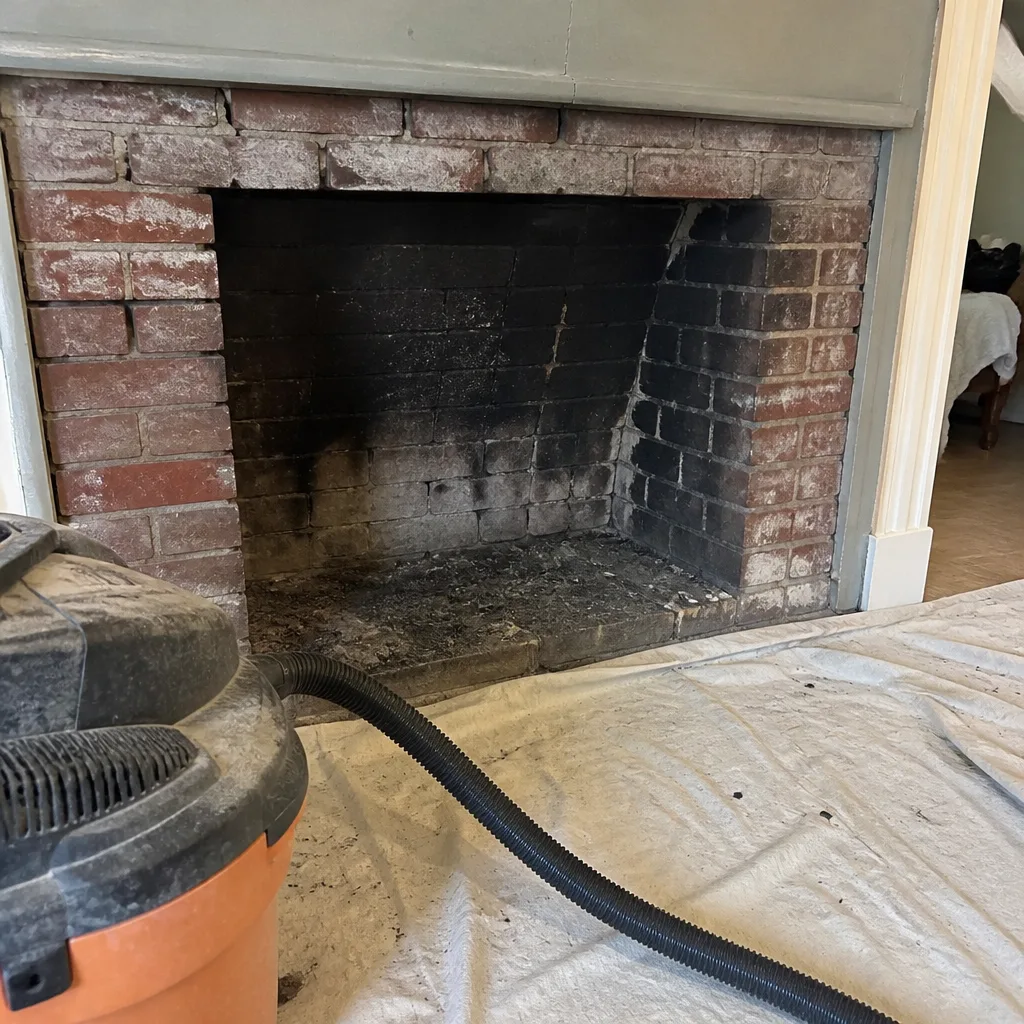 Before
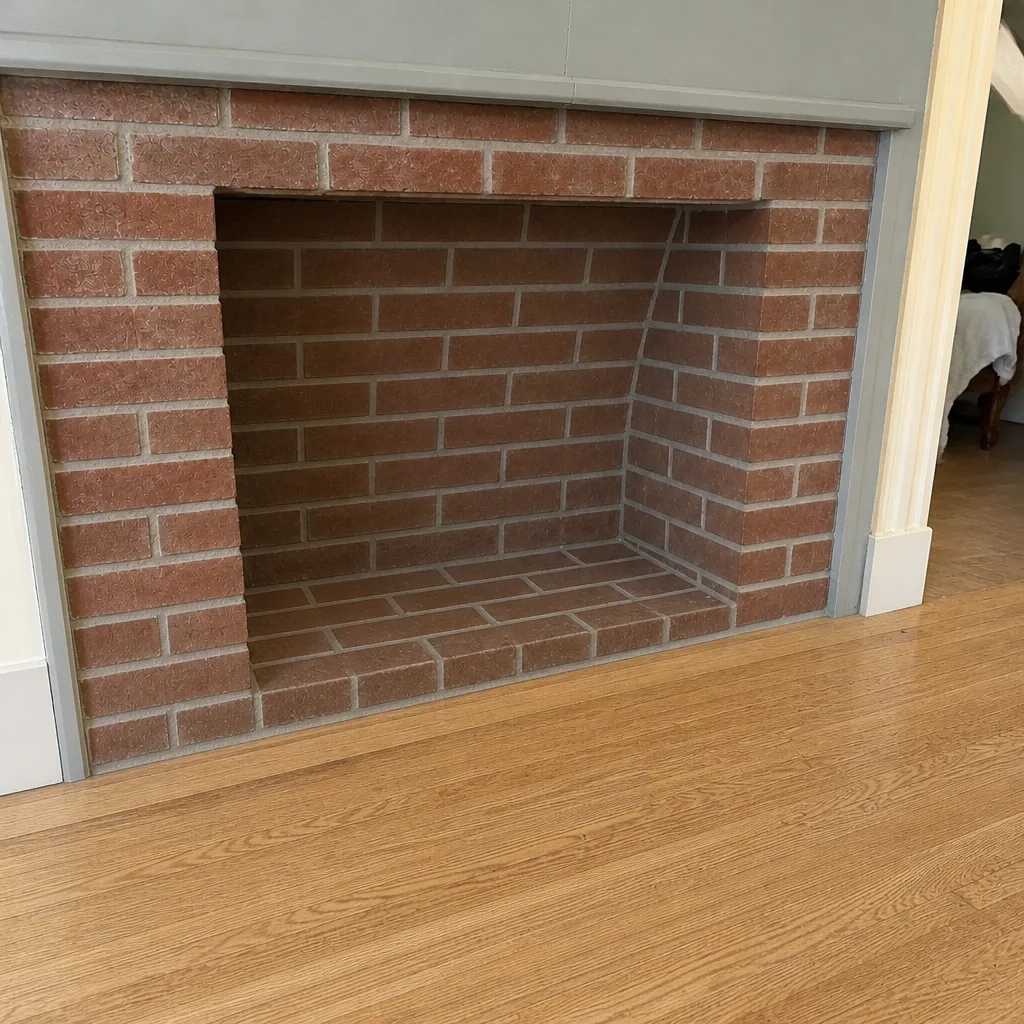 After
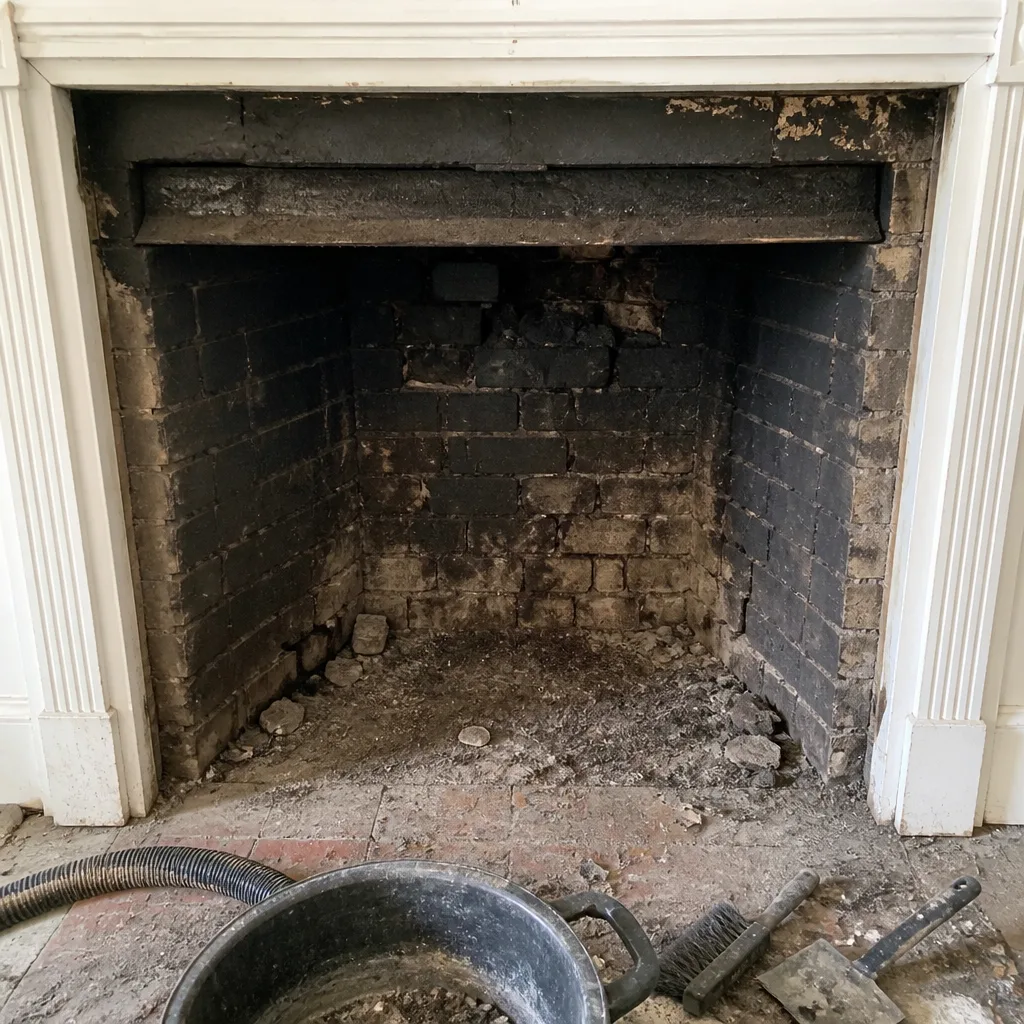 Before
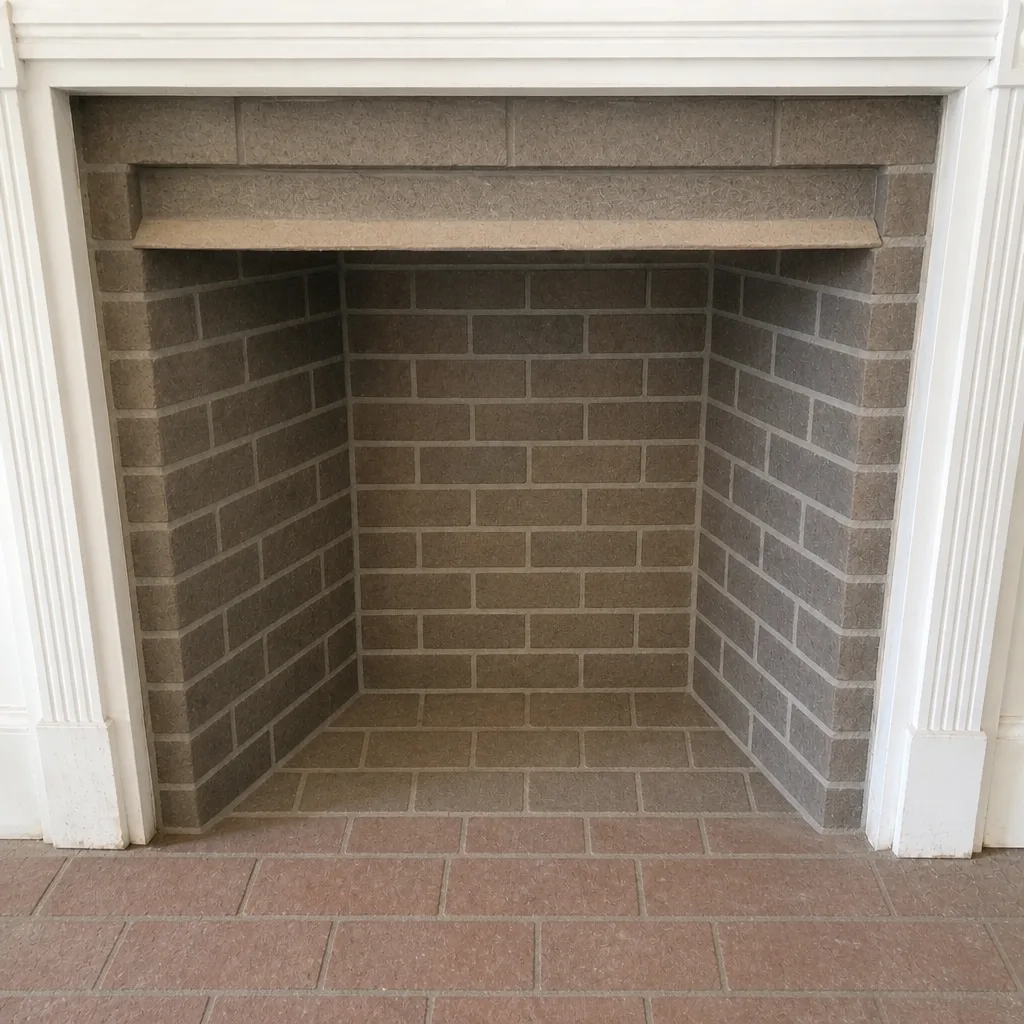 After
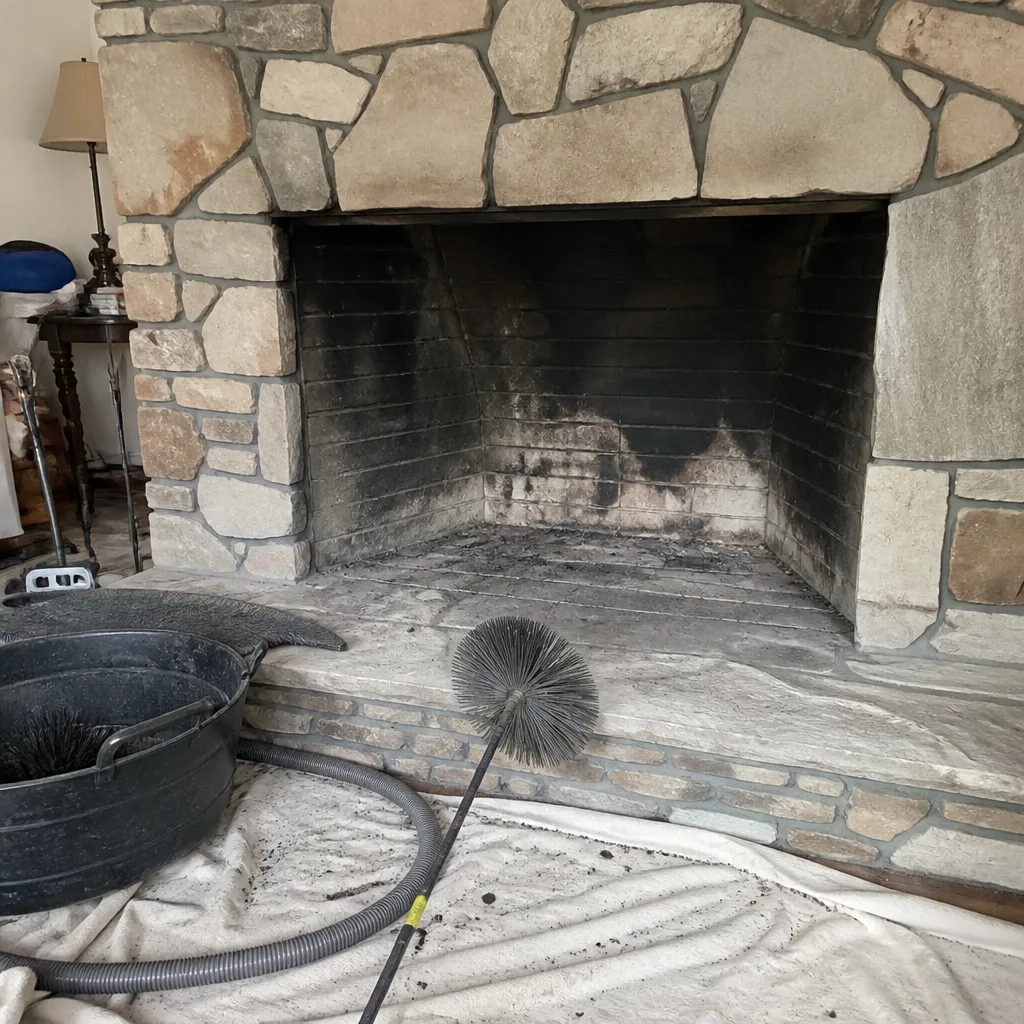 Before
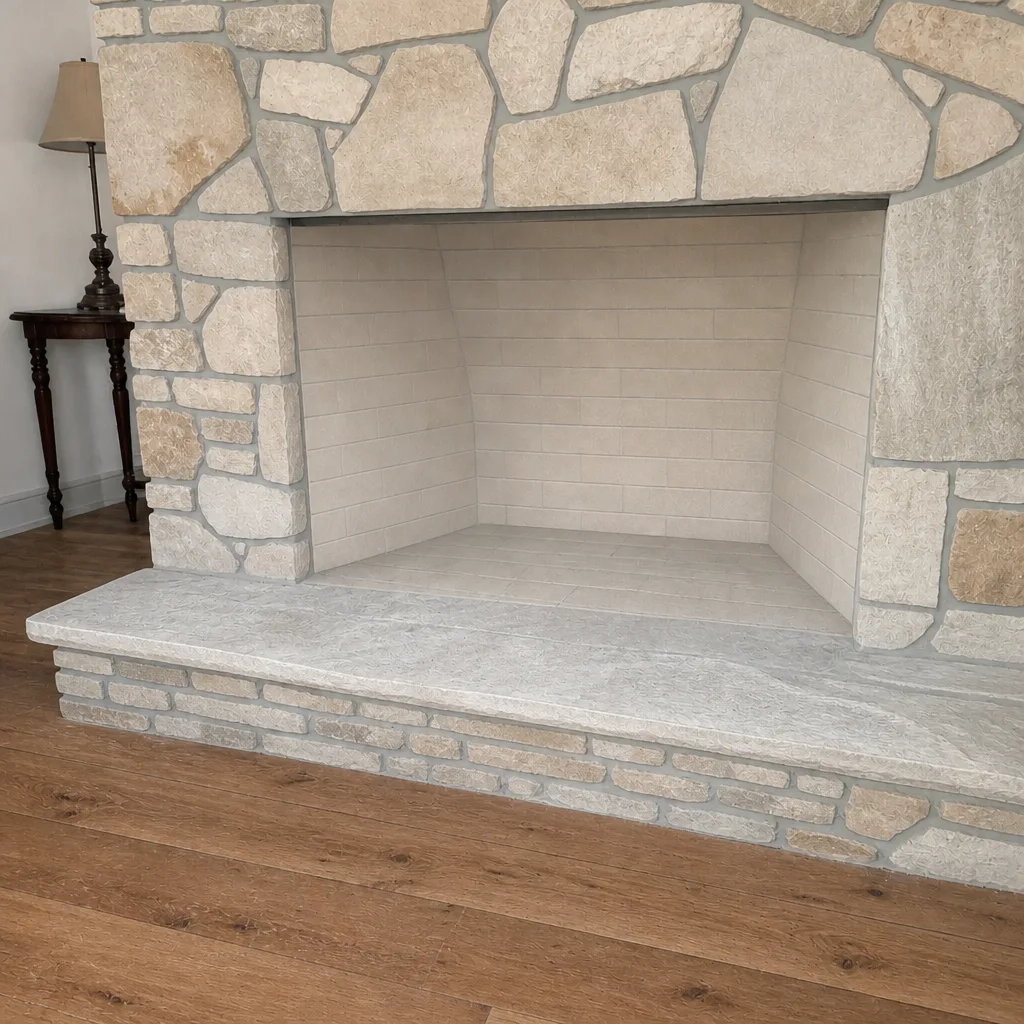 After
When to Call a Professional
Call a professional the moment any of the following shows up:
- You smell smoke or a strong creosote odor in the house when the fireplace isn’t burning
- Draft has weakened noticeably, or smoke rolls out of the firebox on startup
- You can see loose brick, crumbling mortar, or a crack in the firebox
- The chimney cap is missing, damaged, or clearly blocked
- You’ve just moved in and don’t know the history of the fireplace
- A home inspector or your insurance carrier has flagged the chimney
- You’re near the start of heating season and haven’t scheduled the pre-season sweep
If any of these apply, don’t wait for the next scheduled appointment. The Chimney Sweep Evansville team handles inspection, sweep, and repair as one visit, so you know what’s going on with the whole system, not just the section someone happened to look at. We offer free estimates in Evansville – call (833) 365-6875. We answer 24/7.
Frequently Asked Questions
Once per heating season for a typical wood-burning fireplace, and twice a year for heavy burners or anyone burning unseasoned wood. Gas and oil appliances follow different intervals: annual inspection for gas, annual cleaning plus inspection for oil. If you want a specific interval for your chimney, a pre-season inspection tells you exactly where you stand.
Yes, if you’re running more than a cord or two a season, or you’ve noticed weaker draft, or you’re burning wood you’re not sure is fully seasoned. Creosote can build to Stage 2 or 3 in a single heavy season, and a mid-season check catches it before it gets worse. It’s usually a short visit, but it’s the one most homeowners skip.
Stage 1 is flaky soot that brushes off easily. Stage 2 is a tar-like deposit that clings and needs more work. Stage 3 is a hardened glazed coating that’s difficult to remove and ignites readily. The further you let it progress, the shorter your sweep interval becomes, and the more urgent the work. Stage 3 creosote can’t be left sitting through the summer.
Yes. Gas appliances don’t build creosote, but they produce water vapor and mildly acidic condensate that eats metal and mortar from the inside. A gas flue can be actively deteriorating while it looks perfectly clean from the firebox. An annual inspection is how you catch it before it’s serious.
Yes, and this is the appointment most homeowners miss. New systems need to be verified after a full heating season, especially through Evansville’s freeze-thaw cycle. The first-year check catches connections that have shifted, condensation problems, and any unexpected creosote behavior. Plan for it, and the relined flue becomes a known quantity instead of a guess.
Schedule a full inspection before the first fire. A new-home purchase often means inheriting a chimney of unknown age and condition, and the inspection tells you what you’re dealing with. From there, we can set a maintenance schedule that fits your fuel type and use.
If your roof is low, dry, and you’re comfortable on a ladder, clearing leaves and debris from the cap is safe. Anything involving a steep roof, a wet surface, or working inside the flue itself needs a technician. There’s no safe DIY shortcut for flue work.
The Bottom Line
Annual is the minimum, not the whole plan. Your chimney’s real maintenance schedule depends on three things: what you burn, how often you burn it, and how old your liner is. Build a track by fuel type, tie the appointments to Evansville’s spring and fall calendar, and adjust the interval when your burning habits change. Everything we sweep, we inspect first, and we work with the same materials the trade specifies: DuraFlex for relining, HeatShield for tile restoration, plus proven components from Copperfield, Olympia Chimney, and Gelco. When you’re ready to set your schedule, or you want a baseline before the first fire, call us.
Schedule Your Chimney Sweep or Inspection
Whether you’re planning your first pre-season sweep, you’re overdue for the spring inspection, or you’ve just finished a repair and need the first-year check, we can help. Our technicians have up to 13 years of experience, and we handle the full cycle – inspection, sweep, and repair – in one visit. Call (833) 365-6875 for a free estimate. We answer 24/7. Fast dispatch from 7am to 7pm, Sunday through Friday.
Written by the team at Chimney Sweep Evansville.