
Last updated November 15, 2026
 Sweep & inspection
 Caps & crowns
 Flue relining
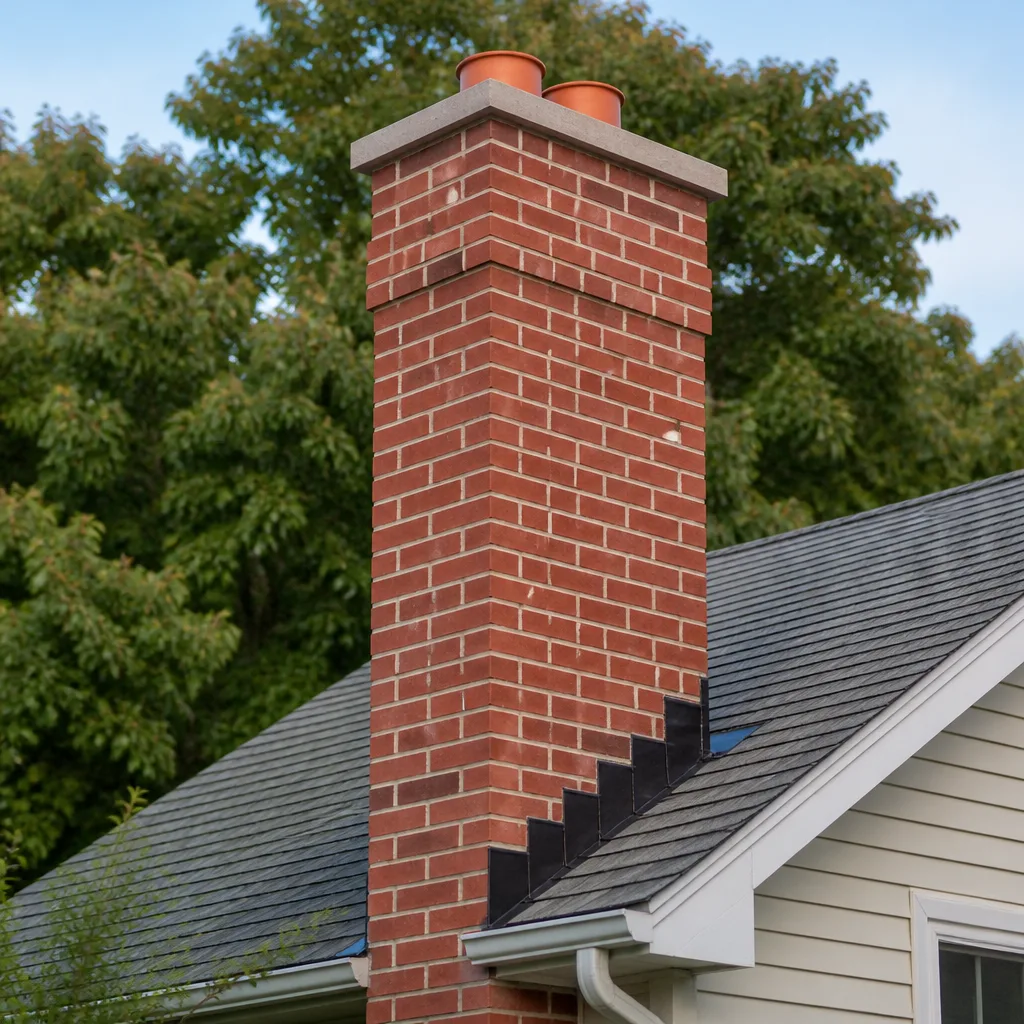 Masonry repair
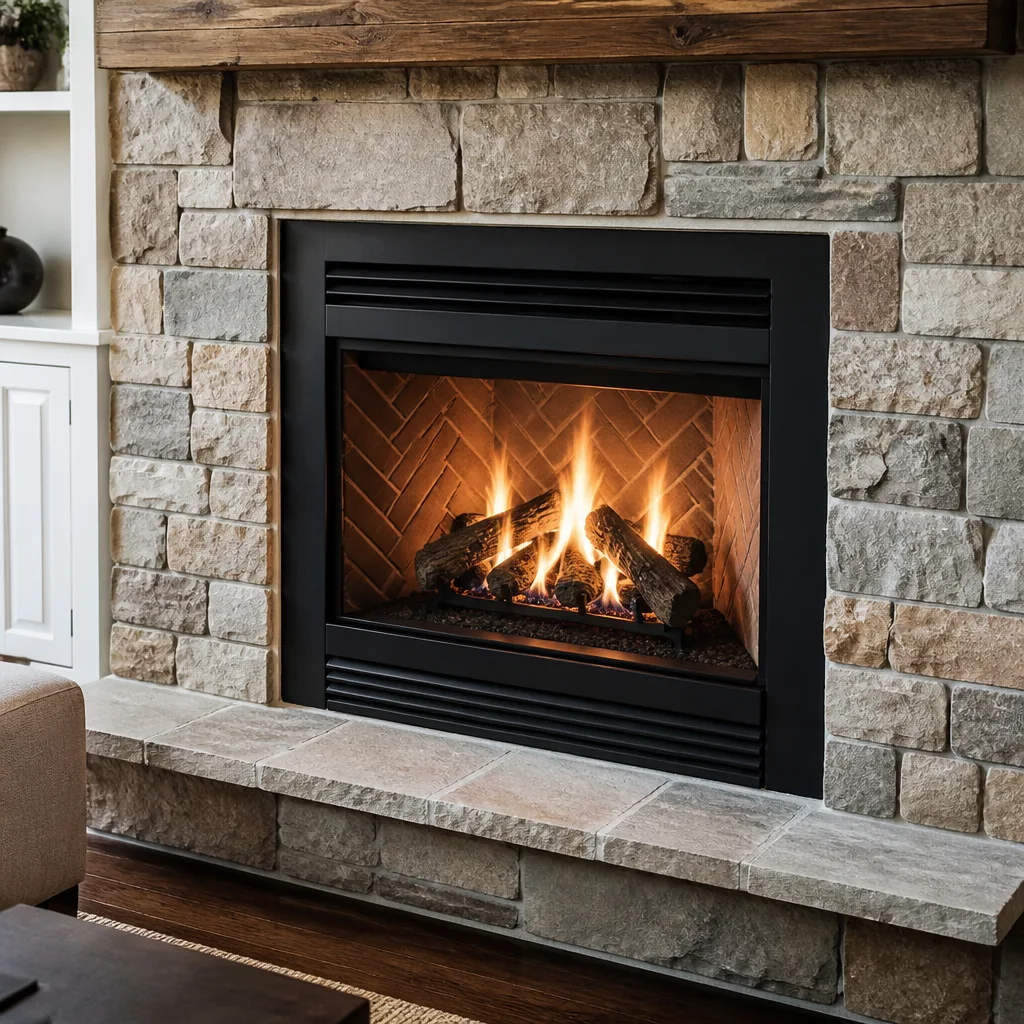 Gas fireplace service
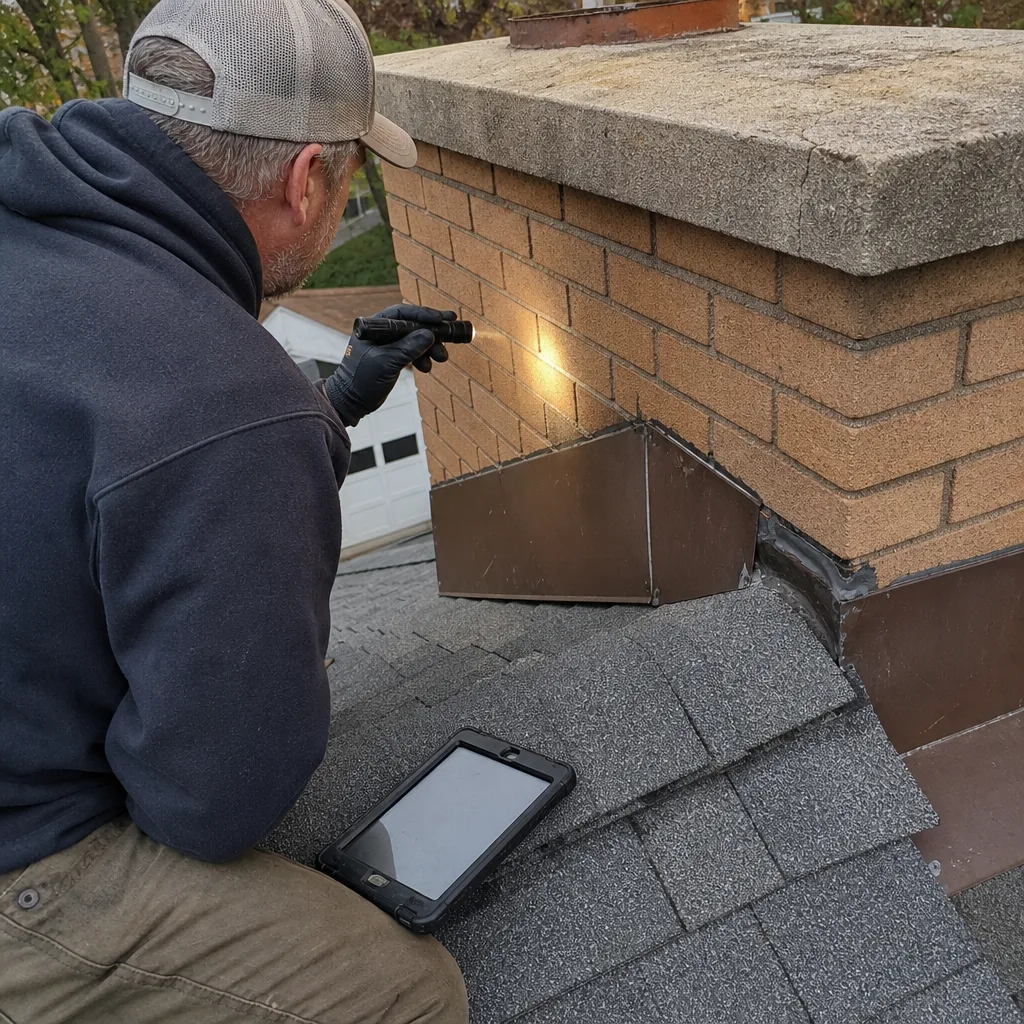
Level 1 sweep and inspection to the NFPA 211 annual standard - flue, crown, cap, and flashing checked and photographed
Chimney sweep logs do not sweep chimneys. They loosen some creosote - which then falls where a brush and vacuum still have to collect it.
Chimney Cleaning Permits, Codes & Inspections in Evansville, IN: What You Need to Know
A stainless steel liner installation done without a permit isn’t just a code violation. It’s a disclosure issue that can surface during a home sale inspection and kill a deal years after the work was done. Most homeowners assume chimney work is entirely permit-free because the cleaning itself usually is. That assumption holds right up until a sweep finds cracked flue tiles and the repair that follows crosses a line nobody explained. In this guide, we walk through exactly where that line falls in Evansville: which services need a permit, which don’t, how the Indiana Residential Code and NFPA 211 interact, what a compliant post-repair inspection looks like, how to verify permits before work starts, and what an unpermitted liner can cost you at resale.
Quick Answer
In Evansville, routine chimney cleaning and standard Level 1 inspections generally do not require a permit. Structural repairs, chimney relining, firebox rebuilding, and any work that alters clearances or penetrates the roof or exterior envelope usually do require a permit from the Vanderburgh County building authority. The cleaning is permit-free; the repair work that often follows a sweep is where permits matter, and where skipping them creates real liability at resale.
Styles & brands we work with
- Sweep & inspection
- Caps & crowns
- Flue relining
- Masonry repair
- Gas fireplace service
Table of Contents
- Where the Permit Line Falls for Evansville Chimney Work
- How Indiana Residential Code and NFPA 211 Work Together
- What a Compliant Post-Repair Inspection Looks Like
- How to Verify a Contractor Pulled Permits Before Work Begins
- What Happens When Chimney Work Was Done Without a Permit
- Evansville-Specific Factors That Affect Chimney Codes
- The Three Inspection Levels and When Each Applies
- What Chimney Code Work Typically Costs in Evansville
Where the Permit Line Falls for Evansville Chimney Work
Permitting in Evansville follows a simple principle: if the work changes the structure, the flue system, or the fire separation between the chimney and the house, it usually needs a permit. If it only removes soot and creosote from a system that’s already in place, it usually doesn’t. That distinction matters because most homeowners never think about it until a sweep hands them a repair estimate.
Here’s how the line typically falls:
Usually no permit required:
- Routine chimney sweeping (removing creosote, soot, and blockages)
- Standard Level 1 visual inspection during a sweep visit
- Chimney cap replacement when it’s a like-for-like swap with no structural change
- Replacing a damper of the same type in the same opening
- Minor mortar touch-up on the firebox face that doesn’t involve rebuilding
Typically requires a permit:
- Installing or replacing a chimney liner (stainless flexible systems like DuraFlex, or cast-in-place resurfacing with HeatShield)
- Rebuilding a firebox or smoke chamber
- Repairing or rebuilding a chimney crown when the work involves structural masonry
- Adding a new flue or changing the flue configuration
- Any work that alters clearance-to-combustibles around the chimney
- Chase cover replacement that changes the weather seal or structural envelope
- Repointing a chimney above the roofline when it involves rebuilding courses
We always recommend confirming directly with the Vanderburgh County building department before any repair is scheduled. Rules change, and a five-minute phone call removes the guesswork. If you’re not sure whether your chimney needs a chimney repair at all, an inspection usually answers that before anyone quotes a permit.
How Indiana Residential Code and NFPA 211 Work Together
Two documents govern chimney work in Evansville, and understanding how they interact is the difference between a compliant repair and one that quietly fails the next home inspection. The Indiana Residential Code adopts and modifies the International Residential Code for one- and two-family dwellings, and it governs how a chimney is built into a house: clearances, wall thickness, hearth extension, and chase construction. NFPA 211 is the national standard for chimneys, fireplaces, vents, and solid fuel-burning appliances, and it governs how the system performs: liner integrity, flue sizing, inspection levels, and venting.
The two overlap on one critical point: clearances and liner requirements. When a chimney is relined, the liner has to meet the flue-sizing and material requirements of NFPA 211 and the clearance-to-combustibles requirements of the residential code adopted by Indiana. A stainless liner installed in an existing flue without addressing a degraded clay tile behind it can technically satisfy the venting standard while violating the clearance requirement. That’s the kind of detail a permit review catches and an unpermitted install misses.
In practice, this means:
- Liner systems must be listed and installed per manufacturer instructions that reference NFPA 211
- Clearances to combustibles must match the code adopted in Indiana at the time of the work
- Flue sizing must be verified against the appliance, not just the pipe diameter
- Insulation requirements for exterior chimneys differ from interior chimneys
- The liner must be continuous from the appliance connection to the top of the flue
Materials matter here. The liner systems we install, including DuraFlex flexible liners and HeatShield cast-in-place resurfacing, come with manufacturer documentation that references NFPA 211 and the applicable code. That paperwork is what a permit reviewer and a future home inspector will want to see. We don’t treat it as a sales sheet; we treat it as part of the job file.
What a Compliant Post-Repair Inspection Looks Like
After a permitted repair, the inspection is not a quick look from the ground. A compliant post-repair inspection verifies that the work matches the permit, that the flue is continuous and correctly sized, that clearances were maintained, and that the appliance venting is intact. In Evansville, this typically involves both the permit inspection by the county and a final inspection by the contractor who did the work.
Here’s what a proper post-repair inspection walk-through includes:
- Confirm permit scope. The inspector checks that the work performed matches what was permitted and that no additional alterations were made during the job.
- Verify liner continuity. For a reline, the liner is verified as continuous, correctly terminated, and properly connected at the appliance collar.
- Check clearances. Visible clearances to combustibles at the thimble, ceiling penetration, and roofline are confirmed against code.
- Confirm crown and cap. The crown is checked for slope and seal, and the cap is verified as correctly sized and attached.
- Test draft and venting. Draft is confirmed at the appliance, and any gas appliance vented into the same chase is verified as properly separated.
- Document with photos. A written report with photos of the flue interior before and after is standard for a compliant final inspection.
Who signs off locally? Two signatures matter. The county building inspector signs the permit, and the contractor signs the completion report. When you sell your house, both documents are what a buyer’s inspector will ask for. A chimney sweep certificate without a permit record for a reline is only half the paper trail.
We provide a written report with photos as part of the inspection and sweep, so you have documentation on file even when no permit was required. That report is what we hand over when you ask, “What did you actually find up there?”
How to Verify a Contractor Pulled Permits Before Work Begins
Verifying permits before the work starts is easy, and it takes ten minutes. Do it before the crew arrives, not after the scaffolding is up. The single most important step is asking for the permit number in writing before you sign anything or pay a deposit.
- Ask for the permit number in writing. A legitimate contractor will supply this before work begins, not after. If the answer is “we’ll pull it after,” that’s your signal to pause.
- Confirm the permit scope matches the quote. A permit for a “masonry repair” doesn’t cover a full reline. Ask that the scope on the permit match the scope on the estimate.
- Check with the Vanderburgh County building department. A quick call or an online lookup confirms the permit exists, is active, and is filed at your address.
- Ask who is responsible for the inspection. The contractor should know the inspection sequence and who signs the final report.
- Verify insurance before the first day of work. A contractor who pulls permits properly also carries current liability coverage. Ask for the certificate.
- Get the closeout documents at the end. The final inspection report and permit closeout belong in your files, not just the contractor’s.
The tell is timing. A contractor who pulls the permit before the work is a contractor who expects the work to be inspected. A contractor who offers to “handle the permit later” is telling you something more useful than any reference ever will.
Our technicians have up to 13 years of experience with exactly this kind of verification work, and we’re happy to walk through the permit sequence with you before we schedule anything. When you call for a chimney sweep, ask us up front which parts of the visit could require a permit and which won’t.
What Happens When Chimney Work Was Done Without a Permit
Unpermitted chimney work is not just a code problem. It’s a documentation problem, and it usually surfaces at the worst possible time: during a home sale, after an insurance claim, or when a new appliance is installed and the flue has to be certified. Each of these triggers a different exposure.
Insurance claims. Most homeowner policies require that work on the home be permitted and inspected. If a chimney fire or carbon monoxide event traces back to an unpermitted liner, the insurer can dispute the claim on the grounds that the installation was never verified. That’s not a scare line; it’s a standard policy condition, and it’s one of the first things an adjuster checks.
Resale disclosure. Indiana requires sellers to disclose known defects, and most purchase contracts include a question about unpermitted work. An unpermitted reline has to be disclosed, and it will come up during the buyer’s inspection. A buyer who sees an unpermitted liner has three options: walk away, demand a credit, or demand the seller obtain a retroactive permit and inspection. All three cost the seller time or money.
Liability. If a later fire or CO event traces to unpermitted work, the chain of responsibility can reach the homeowner who commissioned it. Having a compliant paper trail is the only defense.
Financing and appraisal. Some lenders and appraisers flag unpermitted structural work as a condition of the loan. A reline done without a permit can slow or kill financing on a sale.
The good news is that a retroactive permit is often obtainable when the work itself was done correctly and can be inspected. The bad news is that it’s never free, and it’s always easier to pull the permit before the work than to chase one after. If you’ve inherited a fireplace in Evansville and don’t know its history, a Level 2 inspection is the right first step. You’ll learn what’s there before anyone quotes a repair.
Evansville-Specific Factors That Affect Chimney Codes
Evansville sits in the Ohio River valley, and that geography shapes chimney code concerns in ways that a national guide never addresses. Two factors come up on almost every inspection here: the freeze-thaw cycle and the way masonry absorbs moisture in a humid river valley.
The freeze-thaw cycle in southern Indiana is hard on chimneys. Masonry that absorbs water during a wet winter and then freezes expands and spalls. Over time, the crown cracks, the mortar joints above the roofline weather, and the flue tiles develop hairline cracks that let moisture and combustion gases move where they shouldn’t. When a sweep finds these, the repair that follows is often a repair that needs a permit. The cleaning itself is routine; the masonry work it uncovers is not.
The city’s housing stock matters too. Evansville has neighborhoods with a lot of older homes, and many of those homes have original brick chimneys that predate modern liner requirements. Those chimneys often have flue tiles that are structurally sound but undersized by today’s standards for gas appliances or high-efficiency wood stoves. Correcting flue sizing is a permitted reline, and it’s the most common permit-required repair we see in Evansville.
Chimney height also matters locally. For a chimney to draft reliably in a river valley with gusty winter winds, the vent termination has to clear the roofline and the ten-foot, two-foot, three-foot rule in NFPA 211. Homes with additions or tall trees often need a chimney extension, and that extension is a permit item because it changes the structure above the roof.
If you want the general grounding on how the chimney system behaves in this climate before you start thinking about permits, our Evansville page covers the basics. For anything involving a liner, a crown, or a firebox rebuild, assume a permit is part of the job until the county tells you otherwise.
The Three Inspection Levels and When Each Applies
Not every chimney visit is the same, and the scope of the inspection determines whether a permit enters the conversation. NFPA 211 defines three inspection levels, and knowing which one applies to your situation saves time and money.
Level 1. A visual inspection of the readily accessible portions of the chimney and appliance, done as part of a routine sweep. No permit is involved. This is the right inspection when your chimney is in normal service and nothing has changed.
Level 2. A more thorough inspection that includes access to concealed areas via a camera, and it’s required when a property changes hands, when an appliance is changed or added, or after an event such as a chimney fire, earthquake, or severe storm. Level 2 inspections are where unpermitted prior work is most often discovered. They’re also where the documentation trail matters most.
Level 3. A targeted inspection of specific concealed areas, sometimes requiring removal of building components. Level 3 is normally triggered by the findings of a Level 2, and it’s where permit-required repairs get confirmed.
In Evansville, the most common permit-triggering scenario we see is a Level 2 inspection during a real estate transaction that turns up a liner installed without a permit. The new buyer wants it documented, the seller wants it resolved, and the fix is usually a retroactive permit and a proper final inspection. A short Level 2 visit up front avoids all of that.
We scope the inspection before we schedule it, so you know which level you’re getting and whether a permit is likely to be involved. That’s the plain-language version, and it’s the version we stand behind.
What Chimney Code Work Typically Costs in Evansville
Chimney code work in Evansville typically runs from a few hundred dollars for a permitted minor repair to a few thousand for a permitted reline with inspection, depending on the scope. The permit fee itself is set by the county and is usually a small part of the total. The cost that matters is the combined permit, inspection, and labor for the repair.
Here’s how the line items typically break down as estimates for the Evansville market:
- Permit fee (set by the county): typically a modest fixed fee based on the scope of work
- Crown repair or rebuild, permitted: typically several hundred to just over a thousand dollars, depending on the size and condition of the chimney
- Firebox or smoke chamber rebuild, permitted: typically a few hundred to over a thousand dollars, depending on the extent of the rebuild
- Chimney reline (stainless flexible or cast-in-place resurfacing), permitted: typically fifteen hundred to several thousand dollars, depending on height, liner type, and flue configuration
- Post-repair inspection and closeout documentation: typically included in the repair quote when we perform the work
Every one of those ranges is a typical estimate, not a fixed price. The written estimate sets the final price for your specific chimney after an inspection. We don’t quote a permit-required repair without seeing the flue first, because the difference between a partial reline and a full reline is a camera away.
We also don’t treat the permit as optional. The permit and final inspection are part of the job, and the price we quote reflects that. A contractor who offers to skip the permit to save you money is offering to move the cost to a future home sale.
Common Mistakes to Avoid
- Assuming all chimney cleaning needs a permit. It usually doesn’t. The permit enters the conversation when the repair starts. Think of it as a repair question, not a sweep question.
- Signing a reline quote without a permit number. If the quote doesn’t mention the permit, ask. A reline without a permit is the most expensive kind of savings.
- Letting a contractor “pull the permit later.” The permit should be open before the first day of work. A permit pulled after the fact is a sign the inspector wasn’t expected.
- Buying a house with an unpermitted liner and assuming it’s fine. Make the seller obtain the retroactive permit and inspection before closing. It’s a normal ask, and a seller who resists it is telling you something.
- Confusing a Level 1 sweep report with a Level 2 inspection report. They document different things. If the seller can only produce a sweep card, ask for the Level 2 that a lender or insurer may require.
- Skipping the final inspection because the work “looks good.” A final inspection is the paper trail. A functional chimney without documentation fails the next buyer’s inspection anyway.
- Assuming Evansville’s river-valley humidity won’t matter. It does. Masonry here absorbs moisture through the freeze-thaw cycle, and crown and flue-tile damage often surfaces years after a repair should have been permitted.
See the difference
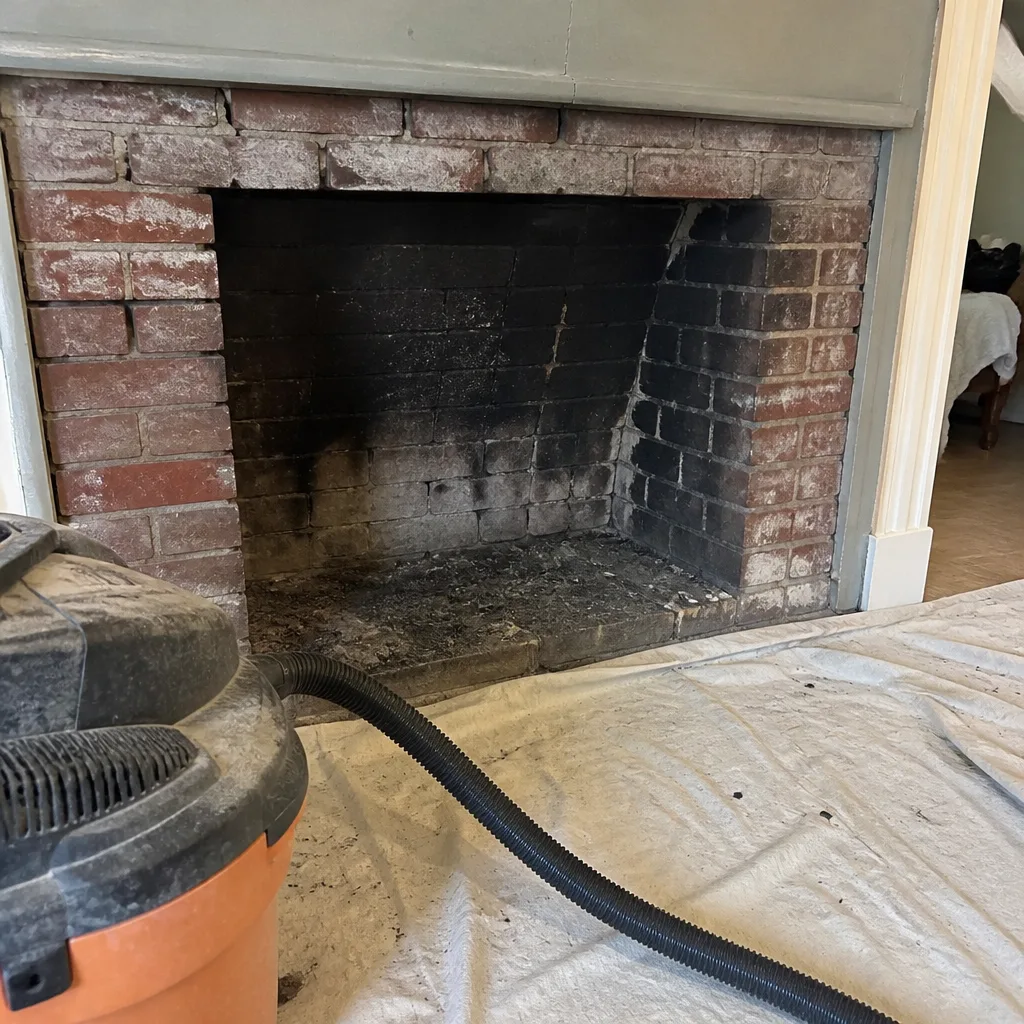 Before
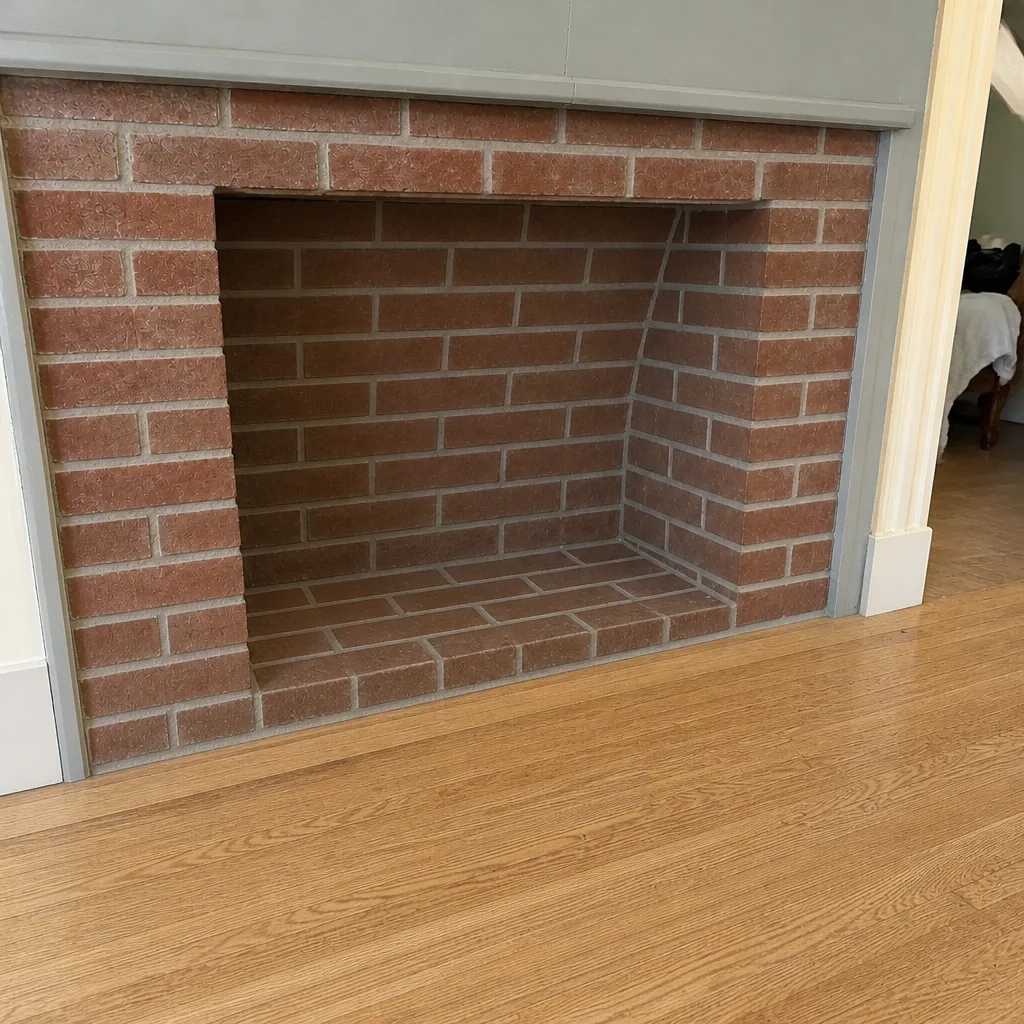 After
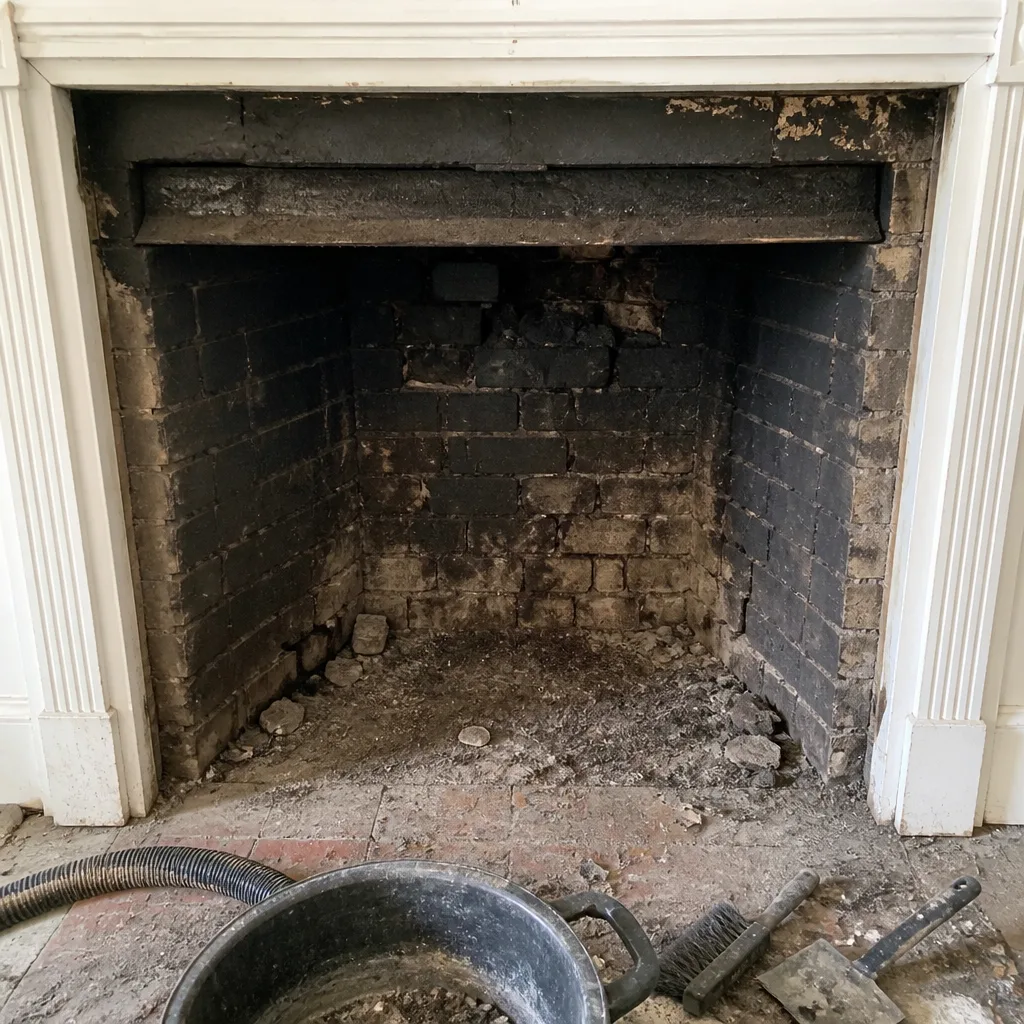 Before
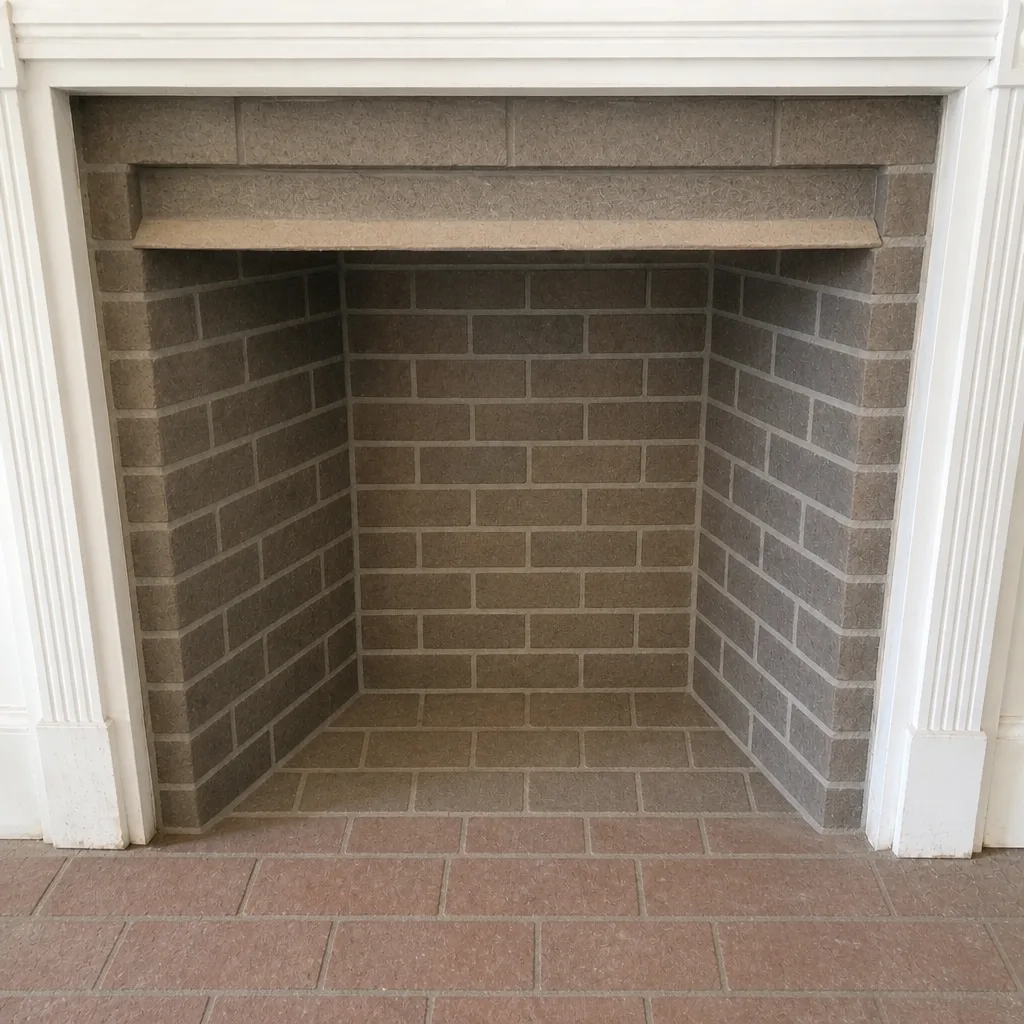 After
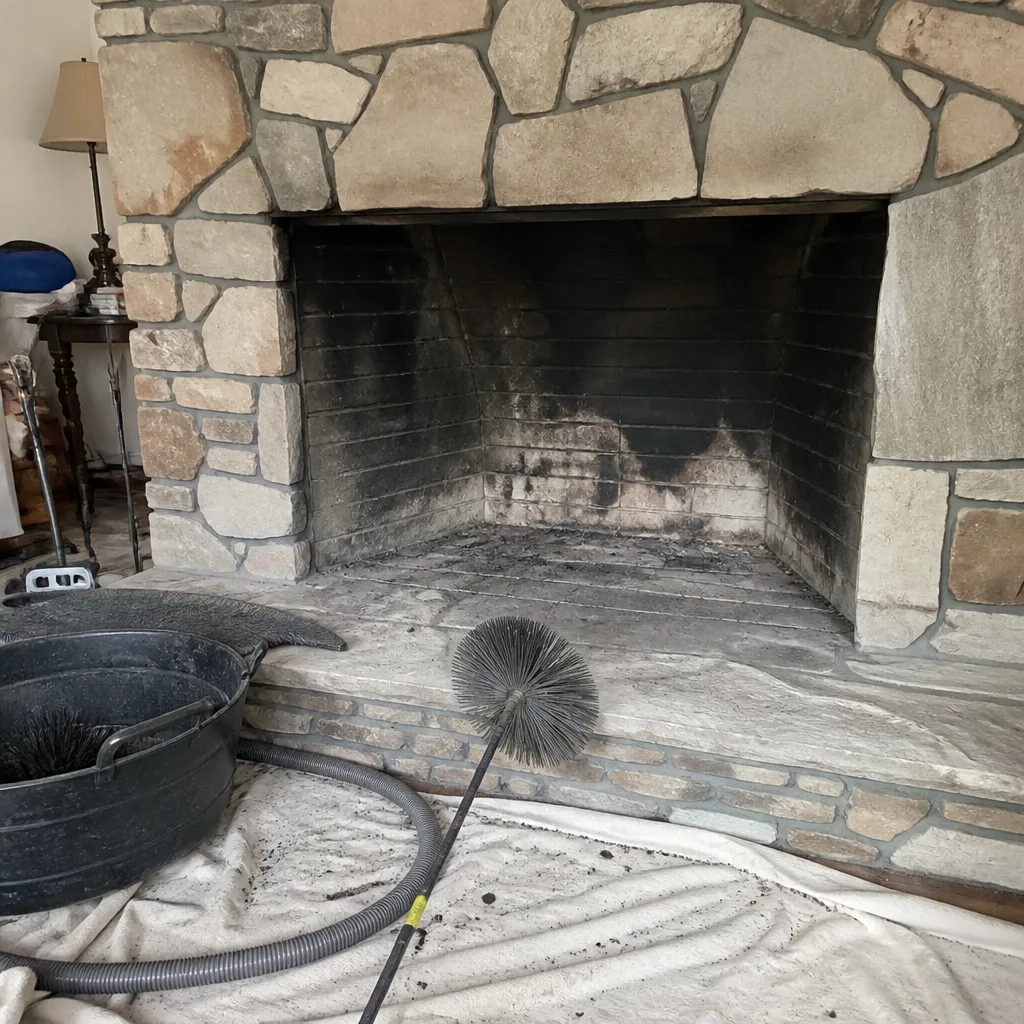 Before
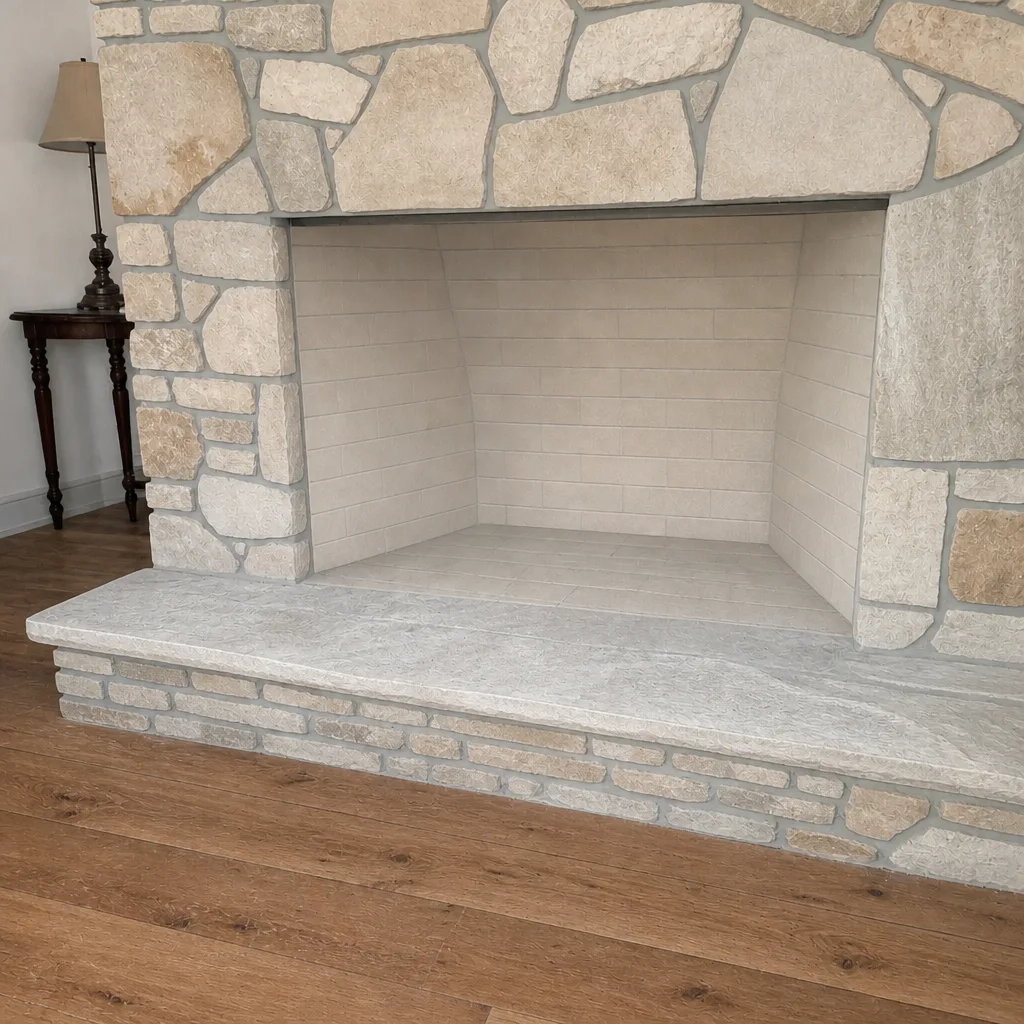 After
When to Call a Professional
Call a professional when you smell creosote or smoke in the house, when you see cracked or flaking flue tiles, when the chimney crown is cracked or missing mortar, or when a home inspector or insurance company has told you something needs attention. Call when a new appliance has been added to an existing flue, when the chimney has been through a chimney fire, or when you’ve moved into a home with an unknown fireplace history. Call before you list the house, not after a buyer’s inspector finds something. Chimney work involves fire, carbon monoxide, and heights, and the diagnosis requires a camera and a trained eye.
Chimney Sweep Evansville offers free estimates in Evansville. Call (833) 365-6875. We answer 24/7. Fast dispatch from 7am to 7pm, Sunday through Friday.
Frequently Asked Questions
No. Routine chimney cleaning and a standard Level 1 inspection in Evansville typically do not require a permit. Permits come into play when the visit turns into a repair: a reline, a firebox rebuild, a crown replacement that changes structure, or any work that alters clearances. Call (833) 365-6875 for an exact quote on a sweep or inspection – estimates are free.
Yes, typically. A chimney reline, whether a stainless flexible system or a cast-in-place resurfacing, is structural work on the flue and generally requires a permit from the Vanderburgh County building authority. Confirm the scope with the county before work is scheduled. Call (833) 365-6875 and we’ll walk through what a reline involves – estimates are free.
The county building inspector inspects the permitted work, and the contractor who performed it provides a final inspection report with photos. Both documents belong in your home file, and both matter at resale. If you need a post-repair inspection documented, call (833) 365-6875 – estimates are free.
The unpermitted work has to be disclosed, and it typically surfaces during the buyer’s inspection. Common outcomes are a demand for a retroactive permit and inspection, a repair credit, or a lost sale. Getting the permit and inspection in place before listing is almost always cheaper than resolving it under contract pressure. Call (833) 365-6875 for an inspection before you list – estimates are free.
Ask for the permit number in writing before you sign or pay a deposit, then confirm the permit exists through the Vanderburgh County building department and that its scope matches the quote. A contractor who expects to be inspected will have the number ready. Call (833) 365-6875 to discuss how a permitted repair sequence works – estimates are free.
Yes, if the home has a fireplace or solid-fuel appliance. A Level 2 inspection is the standard when a property changes hands, and it’s the step that surfaces unpermitted prior work before closing. It’s a short visit and it’s the cheapest insurance in the transaction. Call (833) 365-6875 to schedule one – estimates are free.
The Bottom Line
In Evansville, chimney cleaning is generally permit-free; the repairs that follow a sweep often aren’t. The Indiana Residential Code and NFPA 211 overlap on liner and clearance requirements, and a compliant post-repair inspection documents that both were met. A permit pulled before the work is the single most important line item in any repair quote, and it’s the one most homeowners never ask about. Get the permit number in writing, confirm it with the county, and keep the final inspection report with your home file. It’s what a buyer, an insurer, and a future inspector will all ask for.
Our technicians have up to 13 years of experience with sweep, inspection, and repair work on Evansville chimneys, and we work with DuraFlex, HeatShield, Copperfield, and Famco materials because the documentation they carry is what permit reviewers want to see. We inspect before we sweep, so you know exactly what’s up there, and we tell you in plain language whether the work can safely wait or needs a permit now.
Call (833) 365-6875 for a free estimate. We answer 24/7. Fast dispatch from 7am to 7pm, Sunday through Friday, and closed Saturday. When you call, ask for the Chimney Sweep Evansville team and we’ll scope the visit before we schedule it.
Written by the team at Chimney Sweep Evansville.