
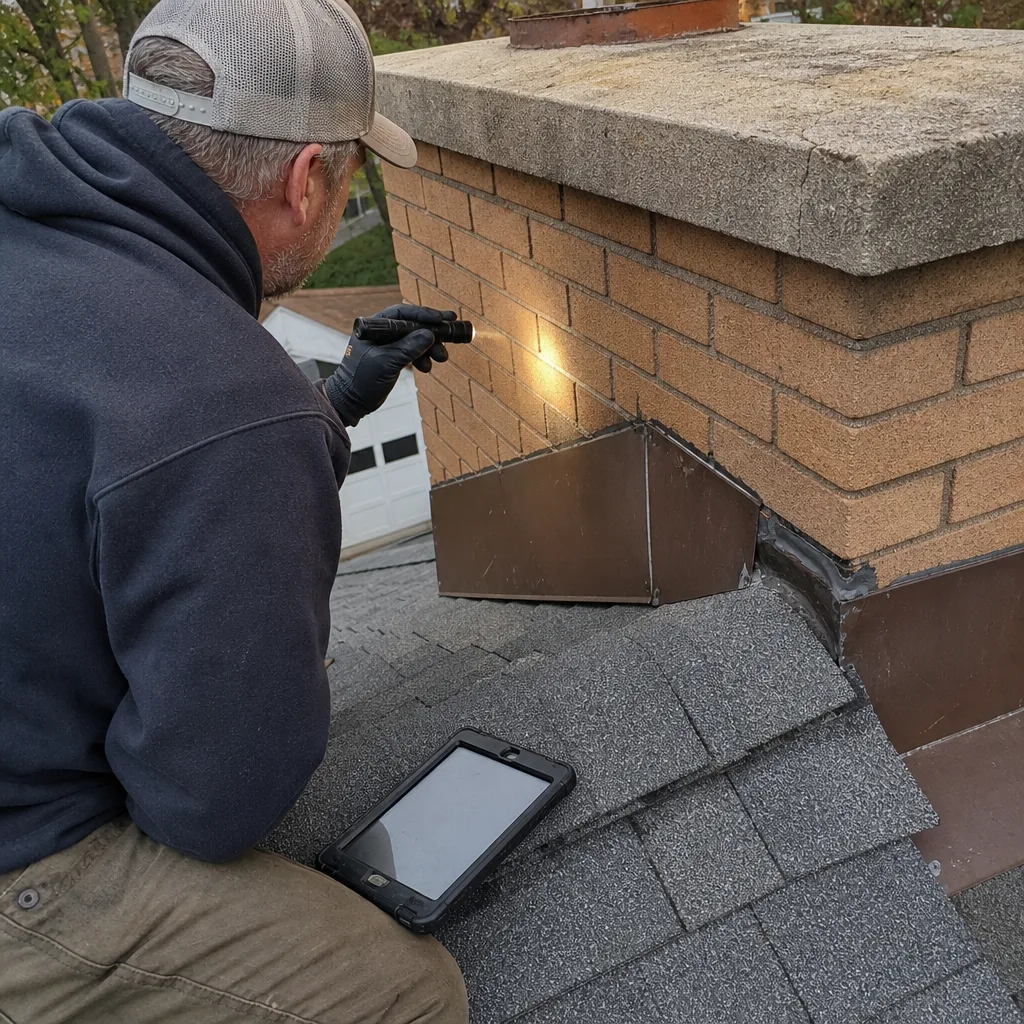
Last updated November 15, 2026
 Sweep & inspection
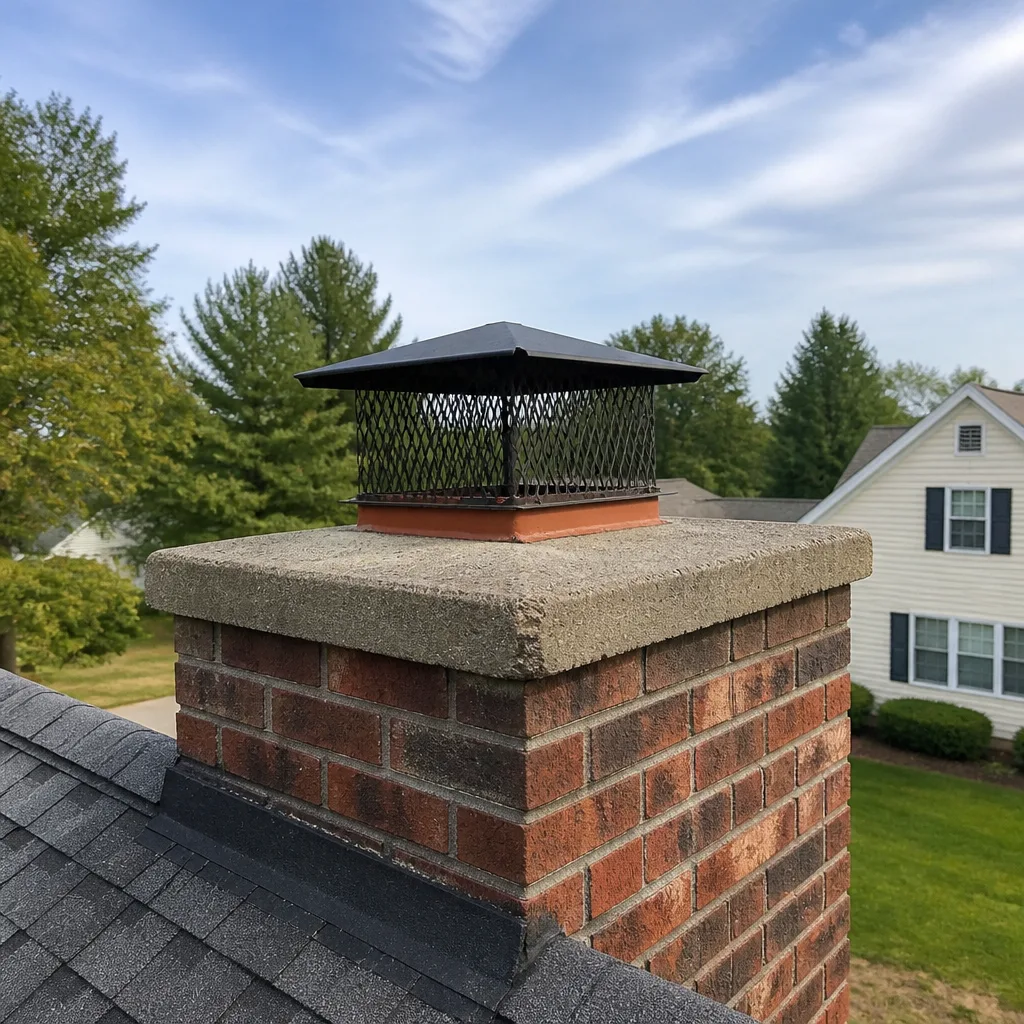
 Caps & crowns
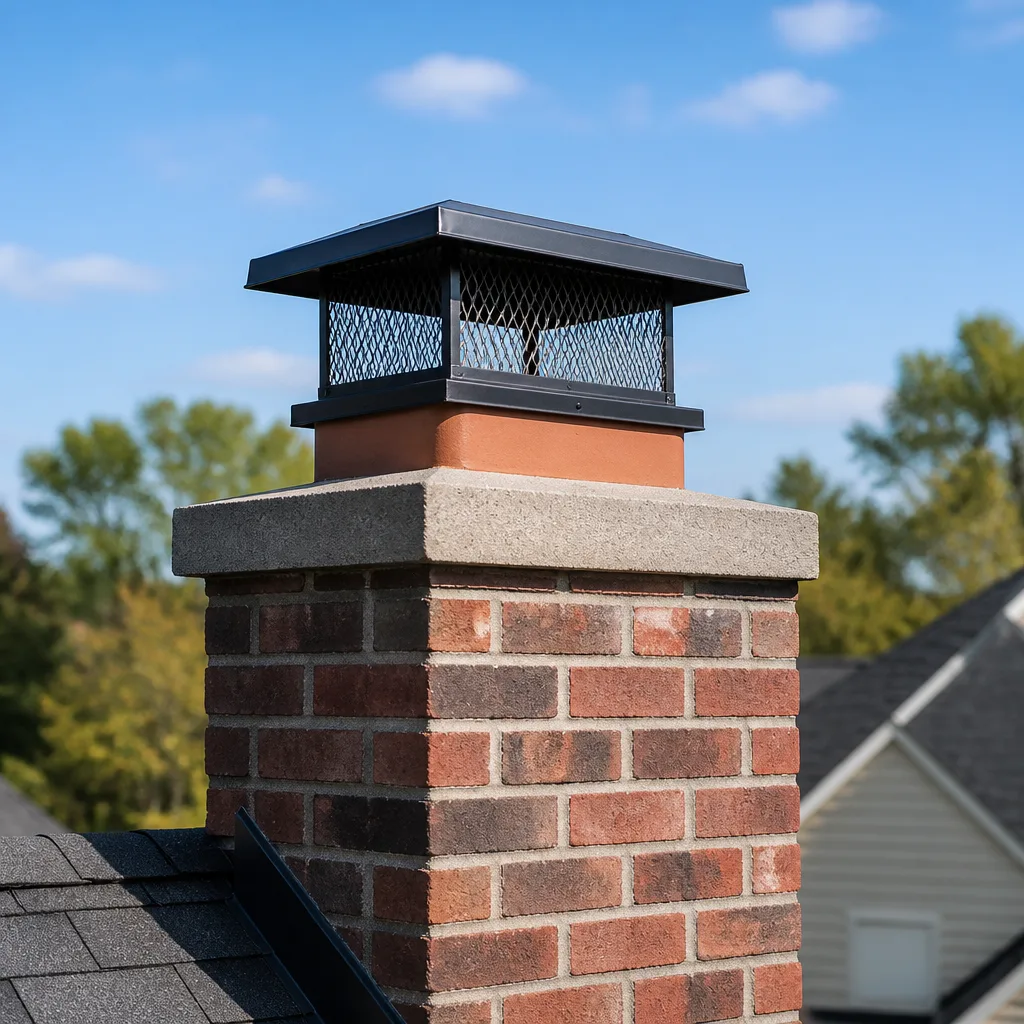
 Flue relining
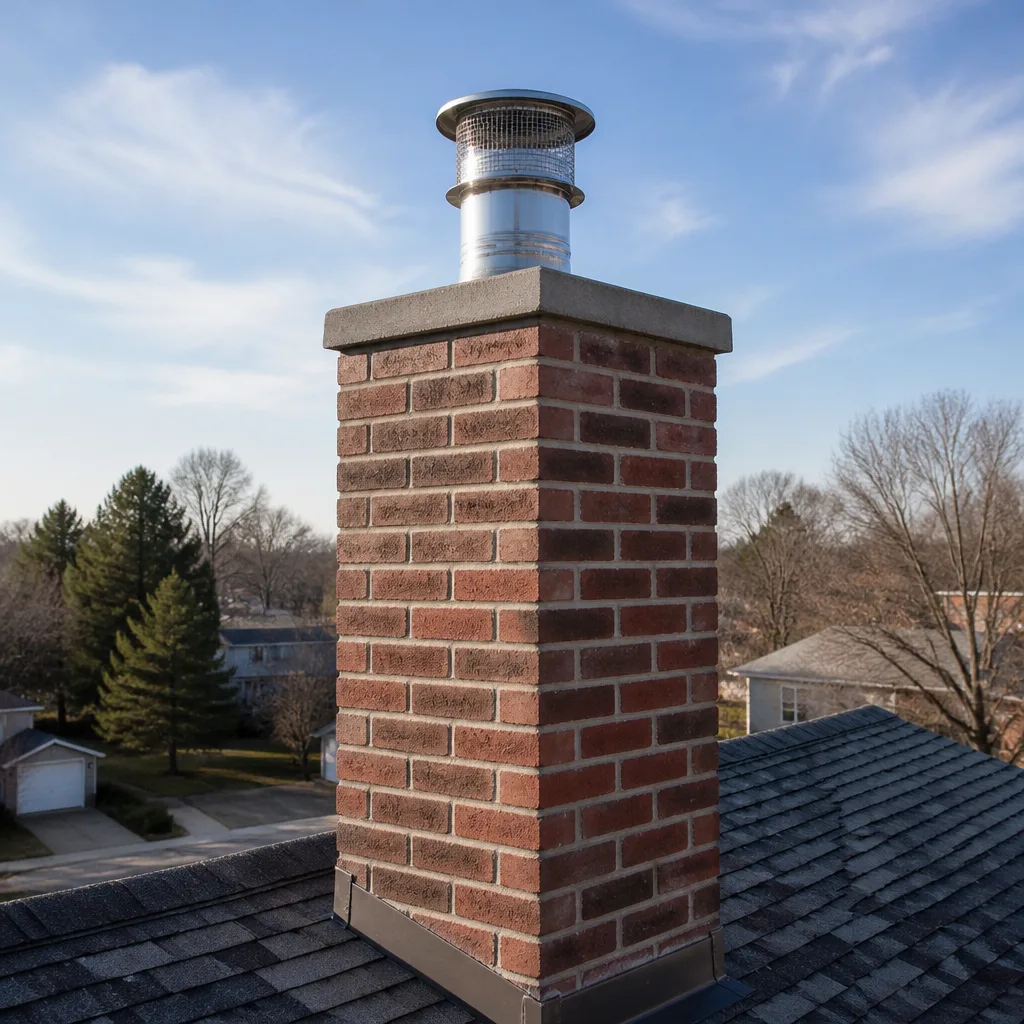
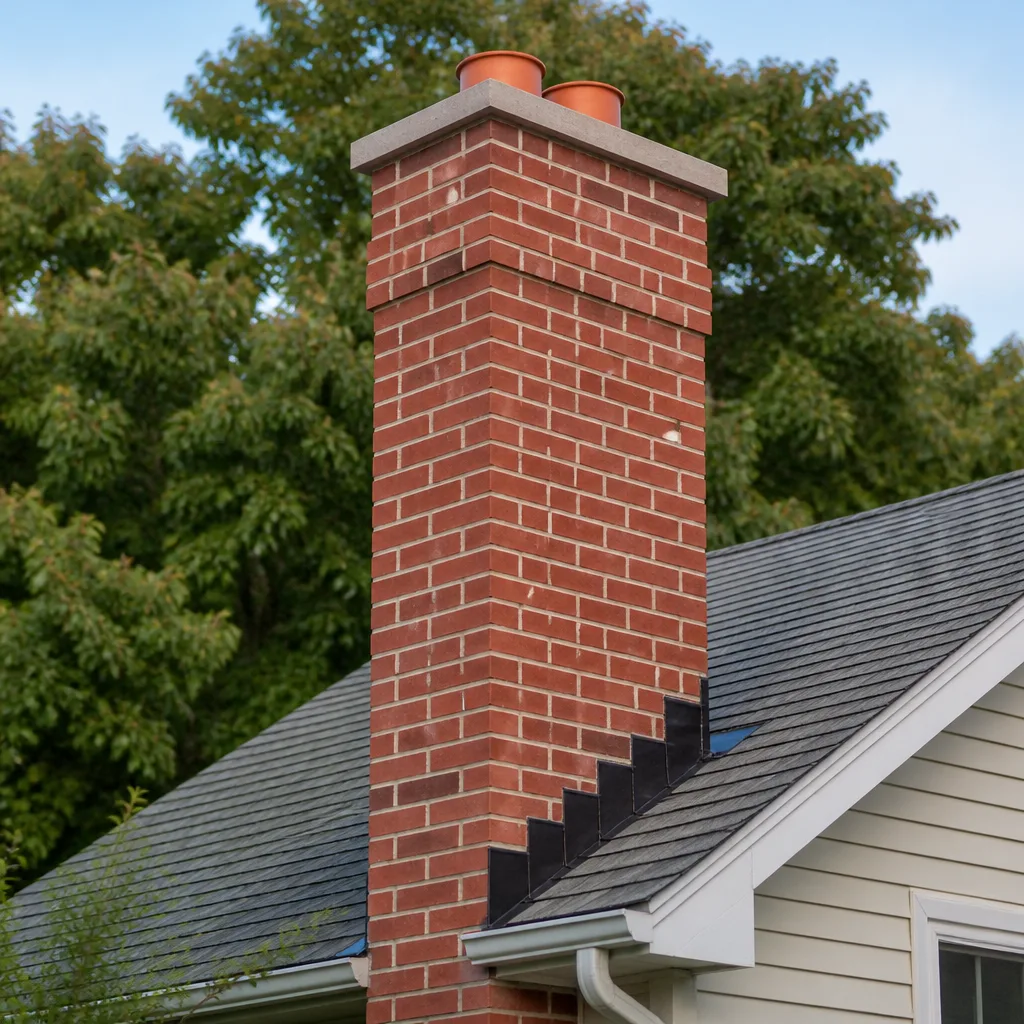 Masonry repair
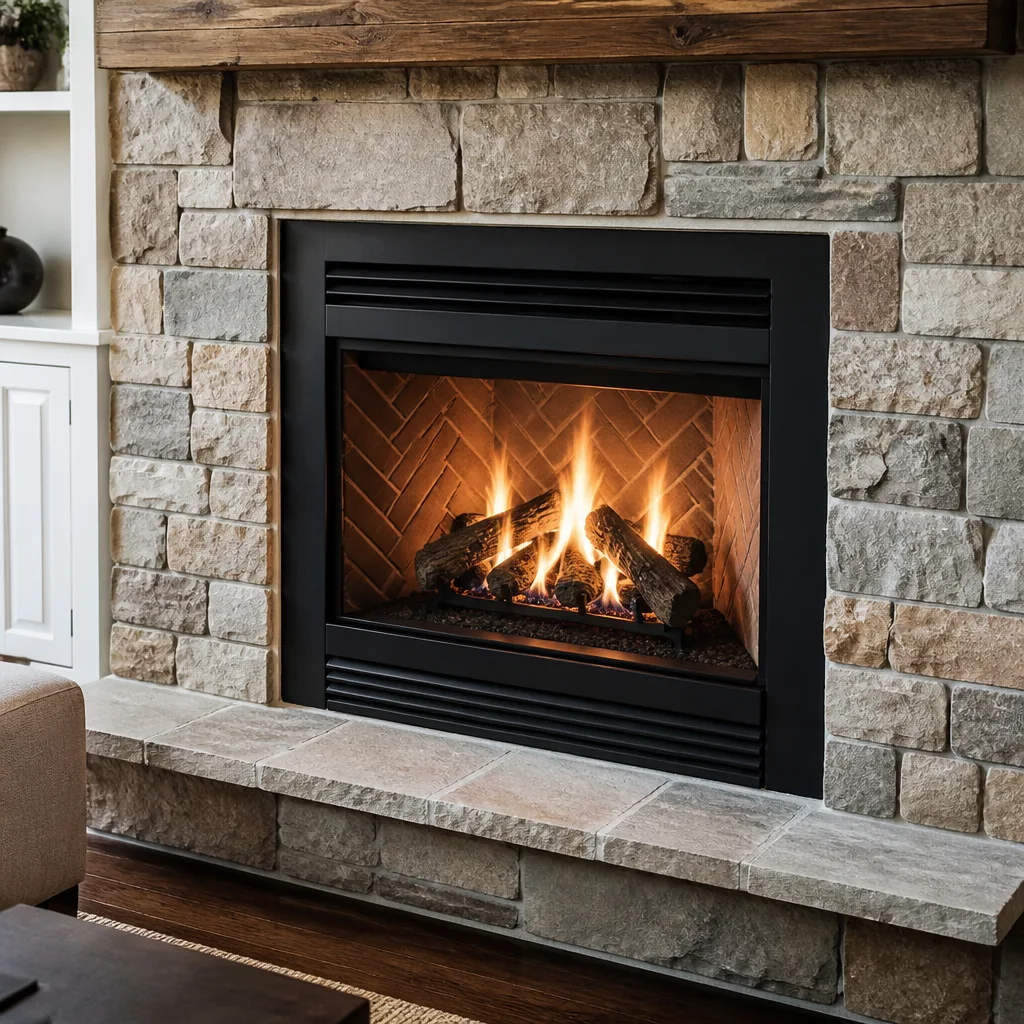 Gas fireplace service
Level 1 sweep and inspection to the NFPA 211 annual standard - flue, crown, cap, and flashing checked and photographed
Chimney sweep logs do not sweep chimneys. They loosen some creosote - which then falls where a brush and vacuum still have to collect it.
DIY vs Professional Chimney Cleaning: The Evansville Homeowner’s Decision Guide
Chimney brushes sit on hardware store shelves right next to the paint rollers, which makes it easy to believe sweeping a flue is a weekend chore like any other. It isn’t the brush that’s hard. It’s what you see when you shine a light down the flue afterward, and knowing whether that gray-black crust on the tile is harmless soot, glazed creosote that needs to come off before you burn another fire, or a cracked flue tile behind a hidden smoke shelf. Most homeowners can’t tell the difference until they’ve already lit a fire next to the problem. This guide lays out exactly where the DIY line sits for an Evansville homeowner, what a consumer brush kit can and cannot do, and what it actually costs to cross that line the wrong way.
Quick Answer
DIY chimney sweeping is technically possible with a consumer brush kit, and it’s a reasonable supplement for a chimney that’s already been professionally inspected and found sound. But a brush alone cannot tell you whether your flue is safe. Professional sweeping and inspection in Evansville costs roughly $150 to $350 for a standard flue and includes a camera inspection, a written report, and a trained eye on liner cracks, mortar joint failure, and appliance clearances that a homeowner simply cannot evaluate without the equipment or the years of practice. For most Evansville homeowners, professional service is the right call.
Styles & brands we work with
- Sweep & inspection
- Caps & crowns
- Flue relining
- Masonry repair
- Gas fireplace service
Table of Contents
- What You Can Physically Accomplish With a Brush Kit
- What You Cannot Evaluate Without a Camera
- Creosote Degrees: A Homeowner’s Guide to What You’ll Find
- When DIY Sweeping Is a Reasonable Supplement
- The Real Cost Comparison (Not Just the Brush Price)
- The Inspection Component You Can’t Replicate
- Liability Exposure If a DIY Sweep Precedes a Fire
- The Evansville Climate Factor
What You Can Physically Accomplish With a Brush Kit
A consumer-grade chimney brush kit, the kind you’ll find at a hardware store or online for under $100, will remove loose soot and light, flaky creosote from the walls of a straight flue. That’s a real job, and when the chimney is otherwise in good shape, it does help. The brush reaches the flue tiles and scrubs the walls. If the flue is straight and accessible from the top, a homeowner on a safe, stable roof can work the brush down with the rod sections and pull the soot out. For a firebox and smoke chamber, the job gets harder. Consumer kits rarely include the right tools for the smoke shelf, and the transition from firebox to flue is where most creosote collects.
What the brush kit handles:
- Loose, powdery soot on straight flue walls
- Light, flaky creosote that crumbles on contact
- Firebox ash and light debris after the sweep
What it can’t do is the diagnostic half of the job. A brush can’t tell you whether a flue tile is cracked behind the first bend, or whether the mortar joint between two tiles has started to fail, or whether a gas insert’s flue has the correct clearance from combustibles in the chase. Those are the reasons a chimney sweep is worth the call. We inspect before we sweep on every Evansville job, so the homeowner knows exactly what’s up there before a brush ever goes down the flue.
What You Cannot Evaluate Without a Camera
The single biggest gap between DIY and professional service isn’t the brush. It’s the camera. A professional chimney camera runs down the flue and shows the inside of the liner on a screen, and a trained technician reads what the camera is showing in real time. A homeowner leaning over the firebox with a flashlight is looking at the same flue and seeing a shadow. The difference matters most for the things that cause fires and carbon monoxide problems, and those are almost always behind a bend, above a smoke shelf, or in a section of flue that the eye cannot reach.
Three specific things a homeowner cannot evaluate without equipment and training:
- Liner cracks. A hairline crack in a clay flue tile opens a path for heat and gases to reach framing. From the firebox, a cracked tile looks identical to an intact one. A camera catches it; a flashlight doesn’t.
- Mortar joint failure. The joints between flue tiles are the first place deterioration shows. When a joint erodes, the flue loses the smooth inner surface that makes draft work, and gases can escape into the chimney chase. It’s a slow problem that a professional spots before it becomes expensive.
- Appliance clearances. Whether a wood stove, insert, or connector pipe sits the correct distance from combustible material around the chimney isn’t visible from inside the room. It requires measuring inside the chase and knowing what the manufacturer and local code require.
When a flue tile is compromised, professional chimney repair is often a resurfacing job using HeatShield, the contractor-grade system designed to restore deteriorating tiles without demolition. That’s not something a homeowner can assess, and it’s not something a brush can fix.
Creosote Degrees: A Homeowner’s Guide to What You’ll Find
Creosote forms when wood smoke cools against the flue walls, and it builds in three stages. First-degree creosote is light, flaky, and brushes off. Second-degree creosote is crusty and darker, and it takes a brush and effort to remove. Third-degree creosote is glazed, hard, and tar-like, and it does not come off with a brush at all. That’s the one that matters. Third-degree creosote is the fuel that turns a routine chimney into a chimney fire, and a homeowner staring up a flue at a dark crust cannot reliably tell second-degree from third-degree.
You’ll find more of it in an Evansville chimney than a homeowner expects if the wood has been green or the fire has been run low and slow for years. Evansville is a hardwood town for fireplace fuel, and a well-seasoned split burns hot enough to keep creosote thinner. Wet wood is where the deposits come from. When we find glazed creosote, we don’t brush it and call it fixed; we tell the homeowner what stage it is and what it takes to clear it safely. Sometimes that’s mechanical removal. Often it’s a professional-grade chemical treatment first. Both need the right materials, and both need a trained eye to judge when the flue is actually clean, not just brushed.
If you aren’t sure what you’re looking at, we’ll handle the interpretation. Our team offers chimney sweep service that includes a full visual and camera assessment of what’s in your flue, so you’re not guessing about creosote stage or anything else.
When DIY Sweeping Is a Reasonable Supplement
There’s a specific situation where DIY brushing fits logically: a chimney that has already been professionally inspected, found sound, and is being swept between professional appointments. In that narrow case, a homeowner brushing down a straight flue to knock off loose soot is fine. It doesn’t replace the annual or seasonal professional sweep. It supplements it. The line is whether someone with training has already looked at that flue and certified it as safe to brush.
The conditions under which DIY is a reasonable supplement:
- A professional inspection within the last year confirmed the flue is sound with no cracks and no failed joints
- The chimney is a straight, accessible flue with no offsets or smoke chamber complications
- The creosote is light, flaky, and clearly first-degree
- The homeowner is physically able to work safely on the roof or has safe access from the top
- Sweeping happens between professional visits, not in place of them
If any one of those conditions isn’t met, the DIY decision flips. A homeowner on a steep roof or an unfamiliar pitch in the Evansville area shouldn’t be up there. A chimney with any glazed creosote isn’t a brush job. A flue that has never been inspected has no known condition, and brushing it isn’t the right first step. In our experience, the homeowner who calls after the brush has already done its work is usually calling because something looked wrong. The right call is before the brush, not after.
The Real Cost Comparison (Not Just the Brush Price)
The brush price is the beginning of the DIY cost, not the end. A consumer kit runs maybe $60 to $150 depending on the rod count and brush size. Add the photo-realistic cost of running a fire up the flue without a diagnostic look afterward, and it becomes clear what the comparison actually is. On the professional side, sweeping in Evansville typically runs $150 to $350 for a standard flue, inspection included in many sweep calls. That’s the range, and the written estimate sets the final price. Here’s what the cost comparison actually looks like:
- Consumer brush kit: $60 to $150 for the rods and brush. Doesn’t include the smoke chamber tool, the camera, or the report.
- Disposal: soot and creosote pulled from the flue has to go somewhere. A professional jobsite setup with a drop cloth and shop vac handles the mess; a DIY sweep without the drop-cloth setup leaves a soot film on the firebox and hearth.
- Missing inspection: a professional sweep includes a camera inspection and a photo report. If you brush it yourself, that inspection has to happen separately, and it isn’t folded into another service.
- What a repair would cost after a DIY miss: if a cracked tile goes unrepaired for another burn season, what might have been a HeatShield resurfacing becomes a full reline using DuraFlex flexible liner, a bigger job with a bigger invoice.
The truth is that brushing your own chimney doesn’t save the inspection cost. It just delays it. A clean chimney is a starting point. A safe chimney is the goal, and the inspection is the part that tells you which one you have. If you’re weighing whether a professional chimney repair might also be needed after the sweep, our team will tell you what we find, in plain language, with no upsell pressure.
The Inspection Component You Can’t Replicate
A chimney inspection isn’t a look up the flue. It’s a systematic check of the whole system, and it takes both the tools and the training to read what it finds. The parts of an inspection that matter most for Evansville homeowners are the ones a brush physically cannot touch:
- The camera run over the full flue length. A professional camera shows the tiles the way a technician needs to see them. A homeowner with a flashlight sees the first tile and the shadow above it.
- Appliance connector condition. The section of pipe between the appliance and the flue is an inspection target in its own right, and it’s where gas and wood stove problems often start.
- Chimney exterior and crown. From the roof, a technician sees the crown, the flashing, and the cap. Crown cracks and failed flashing let water in, and water is what causes most of the slow damage we repair.
- The exterior chase. For a manufactured or factory-built chimney, the clearance to combustibles and the chase condition matter. Neither is visible from the firebox.
Our business works with the professional-trade brands because that’s what it takes to do this full cycle: inspection reveals the problem, sweeping clears it, repair resolves it. We use HeatShield for liner resurfacing, DuraFlex for relining, and we work with Gelco and Olympia Chimney for the flue and cap systems we specify. That’s supplier-level access, not a homeowner kit with a brush in a plastic sleeve. A chimney-only focus means our technicians build diagnostic instincts by working on chimneys every day, not as one stop on a schedule of drains and HVAC calls.
Liability Exposure If a DIY Sweep Precedes a Fire
This is the part of the DIY decision most homeowners don’t factor in until they need to. If a chimney fire happens and the insurance company asks for service records, what does the homeowner have? A receipt for a consumer brush and a memory of sweeping the flue themselves. What the insurer is looking for is a record that a qualified professional inspected and serviced the chimney, and a documented history of that service. A DIY sweep doesn’t create that record, and a claim can turn on it.
We aren’t here to tell you an insurer will deny a claim over a brush receipt. We’re telling you the burden of proof lands on the homeowner when something goes wrong, and records matter. That conversation is one of the reasons the professional sweep belongs in the budget. The cost is modest next to the cost of losing an argument with your carrier after a fire. Our service records document what was found, what was swept, and what was repaired, so a homeowner has something to point to that a brush in the garage can’t produce.
The safest posture, if you’re going to brush your own chimney, is to do it only between professional inspections and to keep the professional service records current. Then the DIY work runs in parallel, not in place of, the professional history.
The Evansville Climate Factor
Evansville sits in a humid, four-season climate with cold winters and warm, muggy summers. That cycle works on a chimney. Cold nights pull a stack of humid air down a flue that hasn’t been fired in a while, and moisture condenses on the tiles. Combined with the creosote from a burn season, that moisture is part of why the mortar joints in an Evansville chimney show wear earlier than a homeowner might expect. The flue doesn’t fail overnight; it goes slowly through repeated wet and cold cycles. The inspection catches it before it becomes a reline.
In our experience, the call usually comes from a homeowner who’s been told by a home inspector or an insurance company that something needs attention. New homeowners who inherited a fireplace and don’t know its history are a large part of that group. The best move for those homeowners is a professional sweep and inspection before the first fire, not a brush kit and a hopeful look up the flue. The first burn season in a new home is no time to learn about a glazed liner the hard way. Evansville homes carry a lot of fireplaces with service histories that are unknown until someone looks, and the look is worth scheduling.
Common Mistakes to Avoid
- Brushing a flue with no known baseline. If the chimney has never been inspected, glossing it with a brush doesn’t tell you whether it’s safe. A professional look has to come first.
- Mistaking a brushed flue for a clean one. Third-degree glazed creosote survives the brush and looks brushed-over. A homeowner can’t tell the difference by eye, and that’s the stage that causes chimney fires.
- Skipping the smoke chamber. Consumer kits don’t reach it well, and the transition from firebox to flue is where creosote and soot collect most. Leaving it is a common DIY miss.
- Running a fire on wet, unseasoned wood in Evansville’s humid climate. Green wood deposits creosote faster, and a homeowner can’t see the buildup until the next sweep.
- Brushing during or just before a burn season without a camera check afterward. Without the camera, a hairline crack or failed joint can go right through the season unnoticed.
- Climbing an unfamiliar roof pitch. A steep or wet roof in the Evansville area is a fall hazard. The brush kit doesn’t justify the risk.
- Treating the professional sweep as optional once the DIY brush is in the garage. DIY sweeps between professional appointments are fine; DIY sweeps instead of them aren’t.
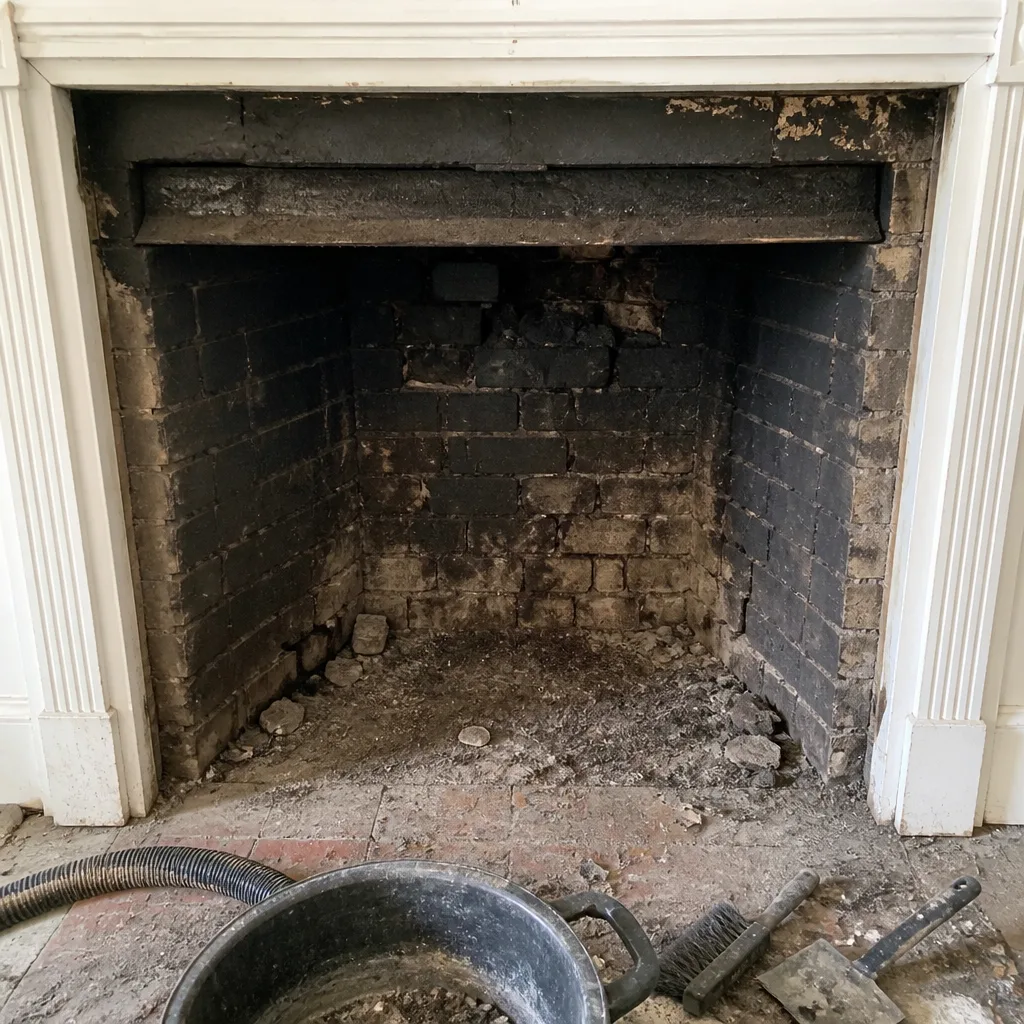
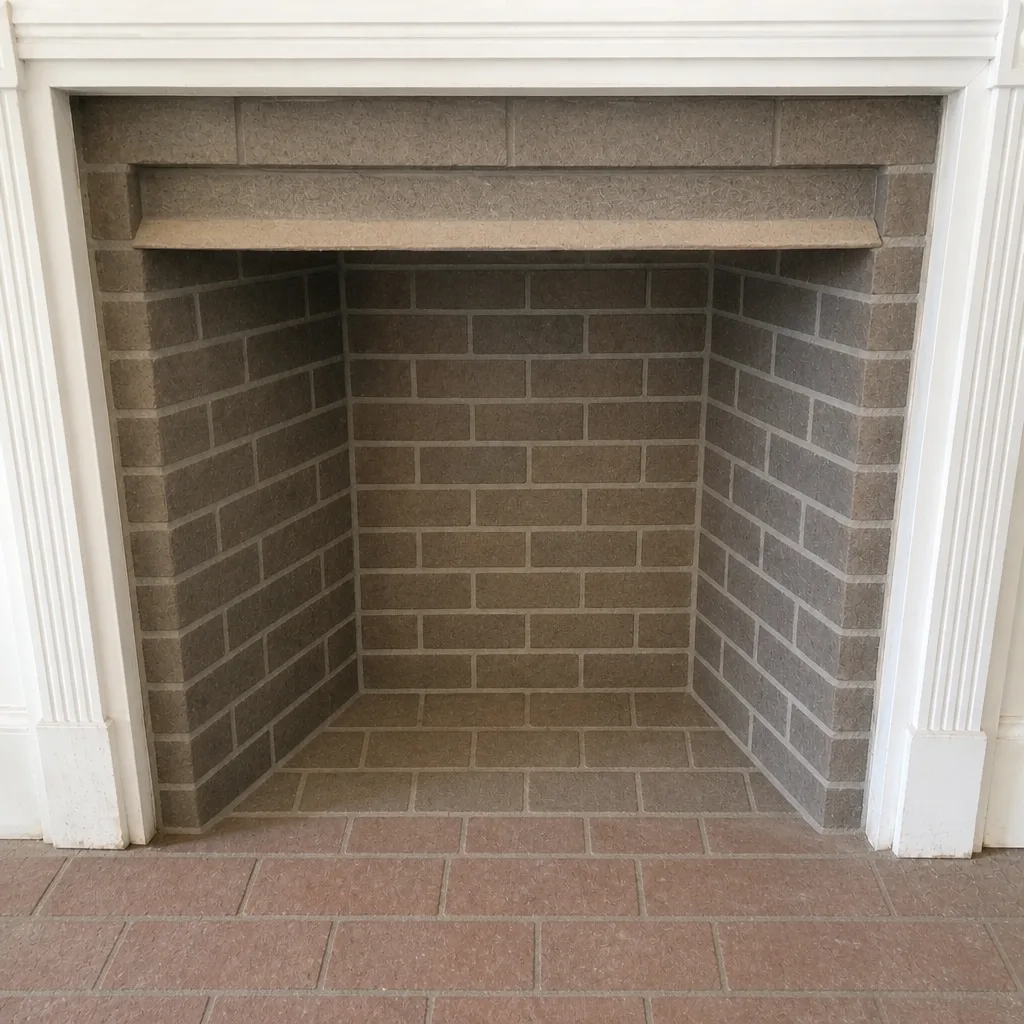
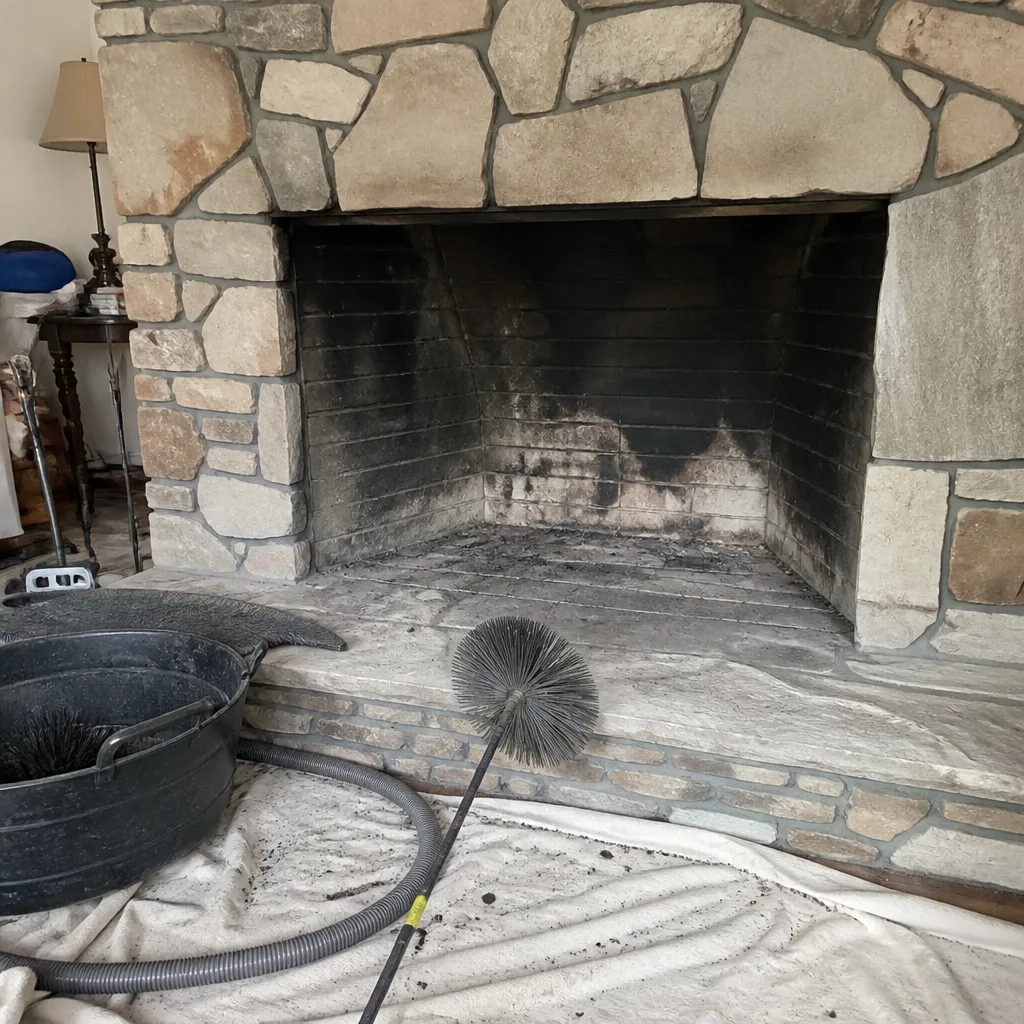
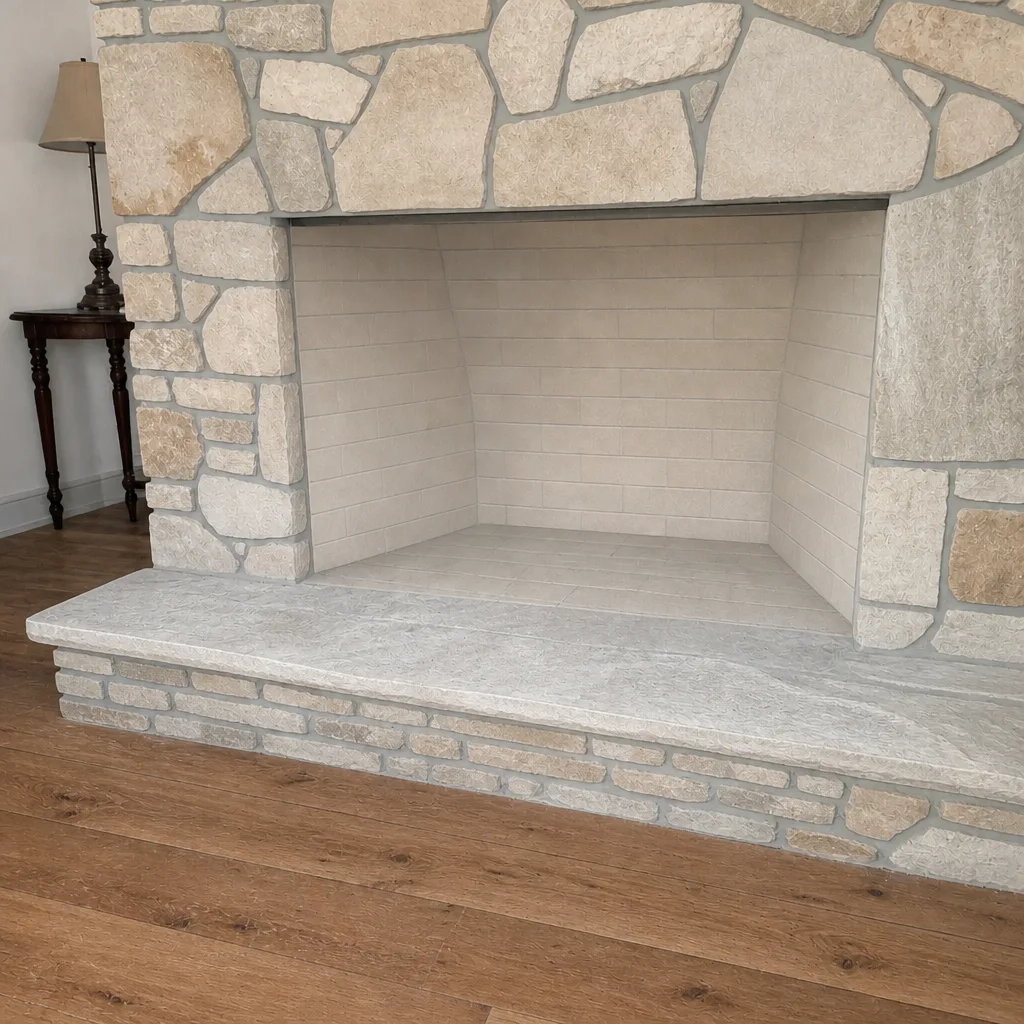
See the difference
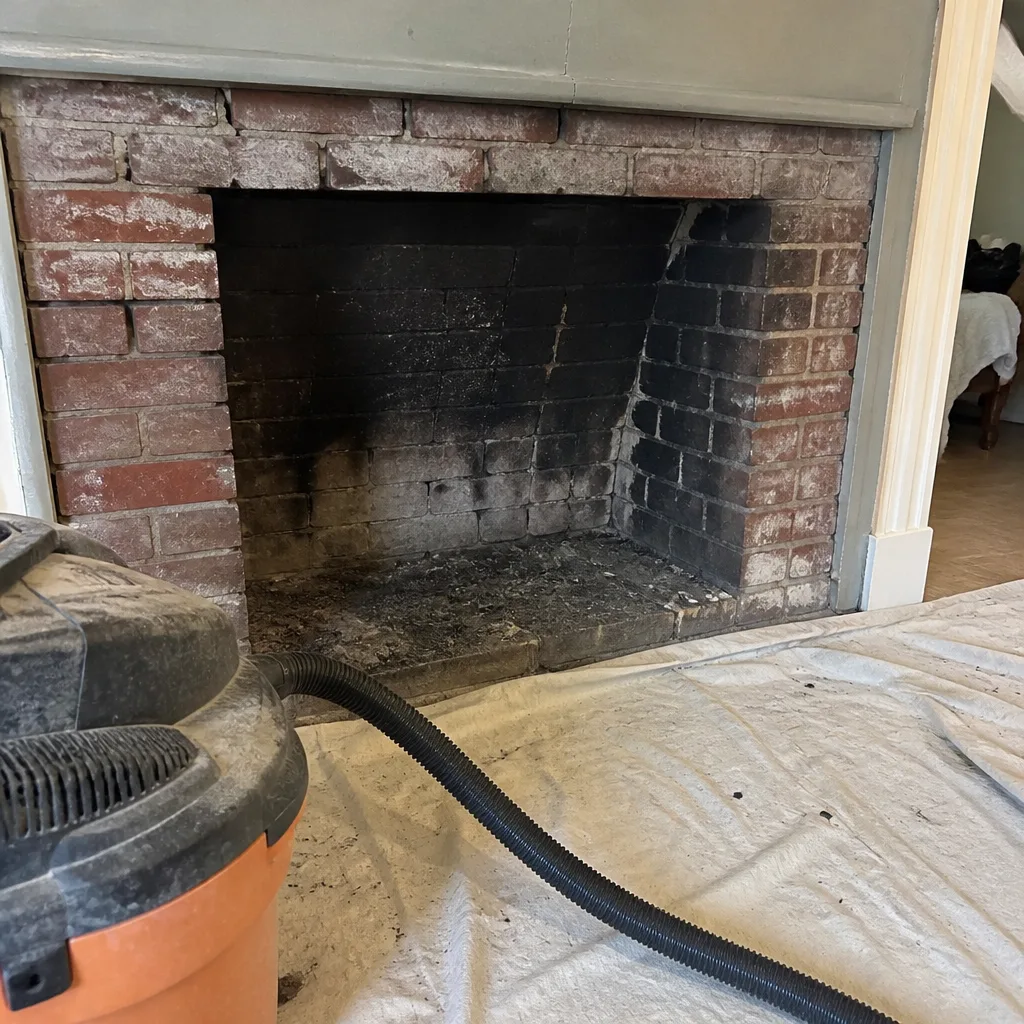 Before
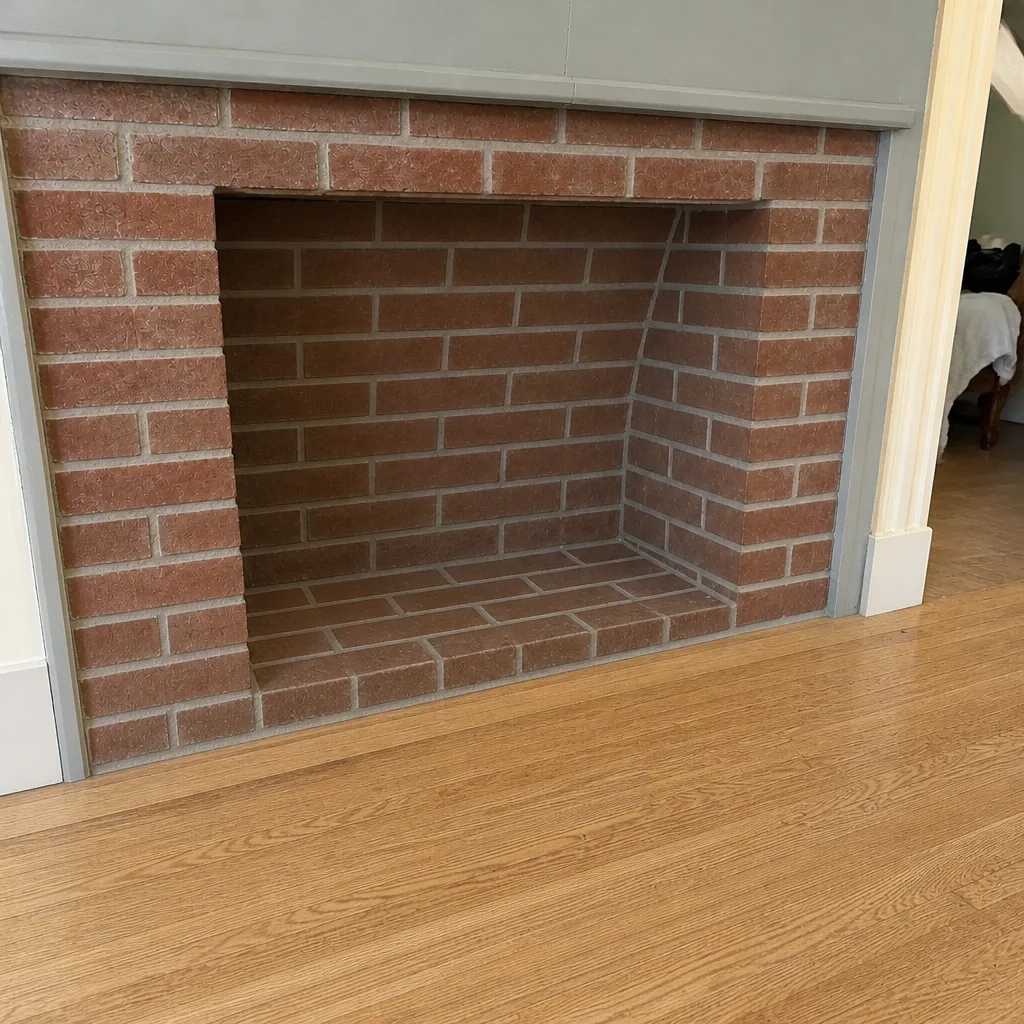 After
 Before
 After
 Before
 After
When to Call a Professional
Call a professional when the chimney has no recent inspection on record, when you see or smell glazed creosote, when a home inspector or insurer has flagged the chimney, or when your appliance is new to you and its history is unknown. Call when the flue has passed a burn season without a check, and call before you brush a chimney you haven’t had inspected. Our technicians have up to 13 years of experience, and they’ll tell you what they find in plain language. Chimney Sweep Evansville offers free estimates in Evansville; call (833) 365-6875. We answer 24/7. Fast dispatch from 7am to 7pm, Sunday through Friday.
Frequently Asked Questions
Yes, physically, you can brush a straight flue with a consumer kit, and it’s a reasonable supplement for a chimney that’s already been professionally inspected and found sound. It isn’t a replacement for professional service because the brush can’t tell you whether the flue is safe. Call (833) 365-6875 for an exact quote, and estimates are free.
Professional chimney sweeping in Evansville typically runs $150 to $350 for a standard flue, and the written estimate sets the final price. That range includes the sweep and a camera inspection that tells you what’s actually in the flue. Call (833) 365-6875 for an exact quote. Estimates are free.
You need a new liner when the current one is cracked, has failed joints, or no longer has the smooth internal surface the flue needs to draft and vent safely. Not every chimney needs one, and the only way to know is a camera inspection you can see for yourself. We won’t recommend liner work without showing you why. Call (833) 365-6875 for an exact quote. Estimates are free.
Creosote keeps building, and at the glazed stage it becomes the fuel that makes a chimney fire possible. Carbon monoxide risk rises too if a flue is blocked or cracked. Skipping the sweep doesn’t fail right away, which is what makes it easy to keep putting off. Call (833) 365-6875 to get the flue checked before the season. Estimates are free.
Most wood-burning chimneys should be swept at least once a year, and more often if you burn heavily or burn green wood. Our recommendation for a given chimney depends on what the inspection finds on the first visit, and the inspection is the source of the answer. Call (833) 365-6875 for an exact quote. Estimates are free.
That’s a question for your insurer, but the service records from a qualified professional are what an insurer will want to see if a claim is reviewed. A brush receipt doesn’t document what was inspected or what was found. A professional sweep creates a history a homeowner can point to. Call (833) 365-6875 for an exact quote. Estimates are free.
The Bottom Line
DIY brushing isn’t a bad idea; it’s just not the whole job. A consumer brush kit clears loose soot, and in a chimney that’s already been inspected and found sound, it’s a fine supplement between professional sweeps. What it can’t do is tell you the difference between a clean flue and a safe one. The creosote stage, the cracked tile behind a bend, the failed joint above the smoke shelf: none of those get caught by a brush. For an Evansville homeowner weighing the decision, the professional sweep and inspection is the part that actually protects the home. The cost is modest, the record is worth having, and the written estimate sets the price. Start with the Chimney Sweep Evansville team for a sweep and inspection, and you’ll know what’s up the flue before you burn another fire.
If you’ve been putting off the sweep, or you’re not sure whether a professional is needed, call our team at Chimney Sweep Evansville for a free estimate: (833) 365-6875. We answer 24/7. Fast dispatch from 7am to 7pm, Sunday through Friday. We inspect before we sweep, so you know exactly what’s up there.
Written by the team at Chimney Sweep Evansville.