
Last updated November 15, 2026
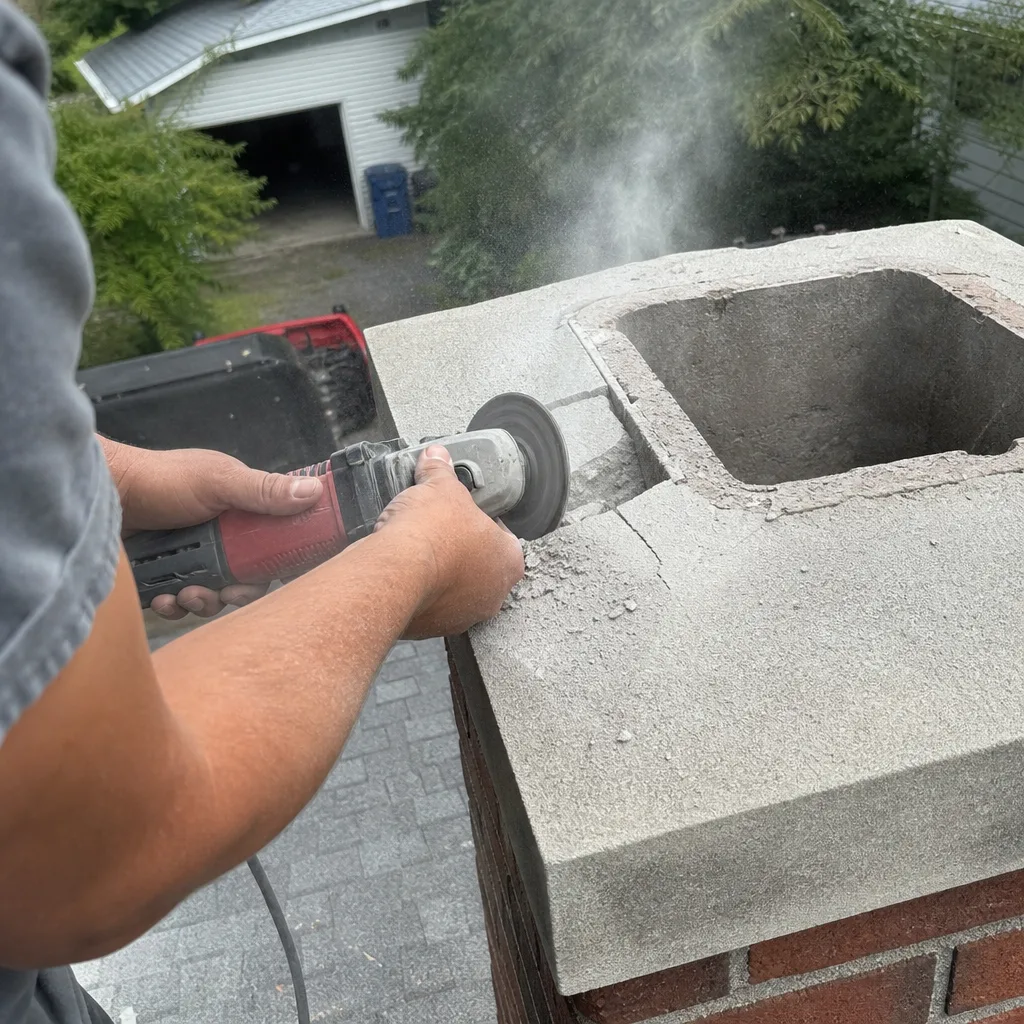
 Sweep & inspection
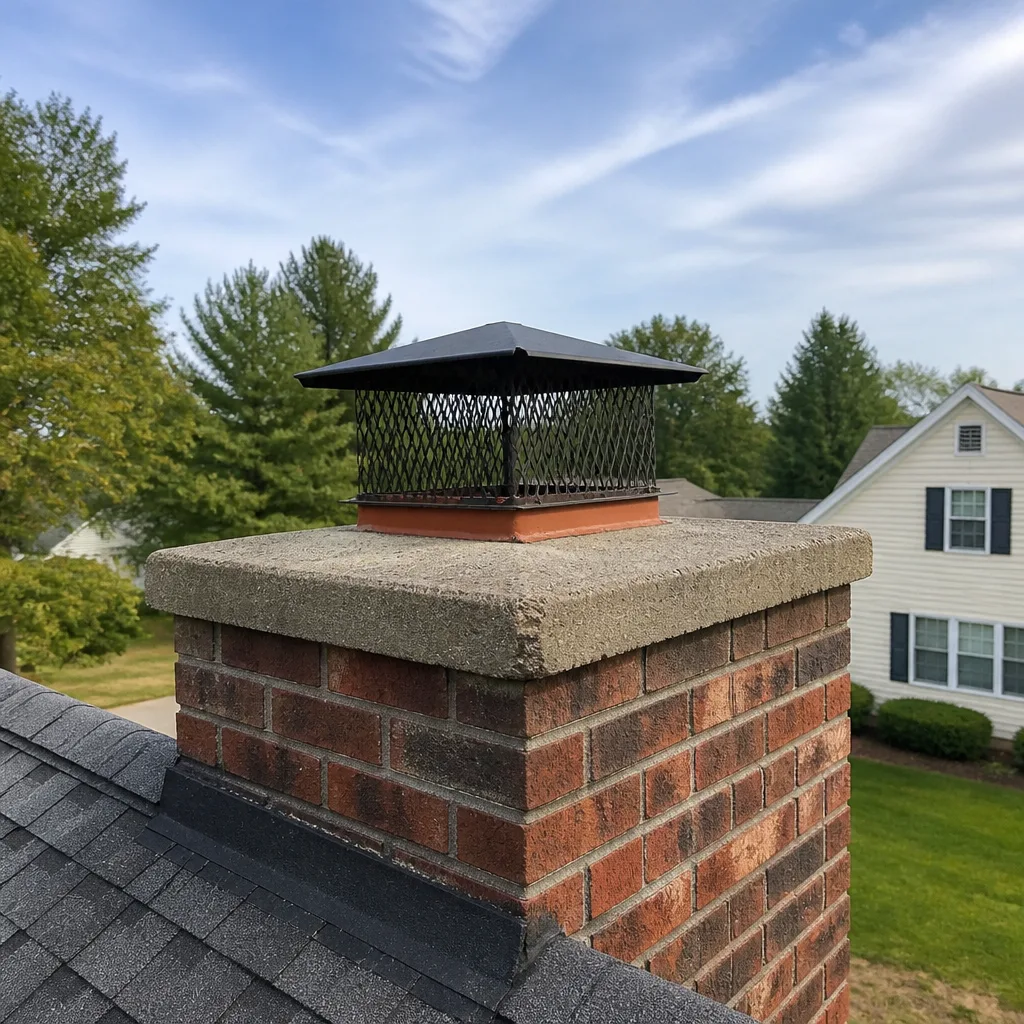
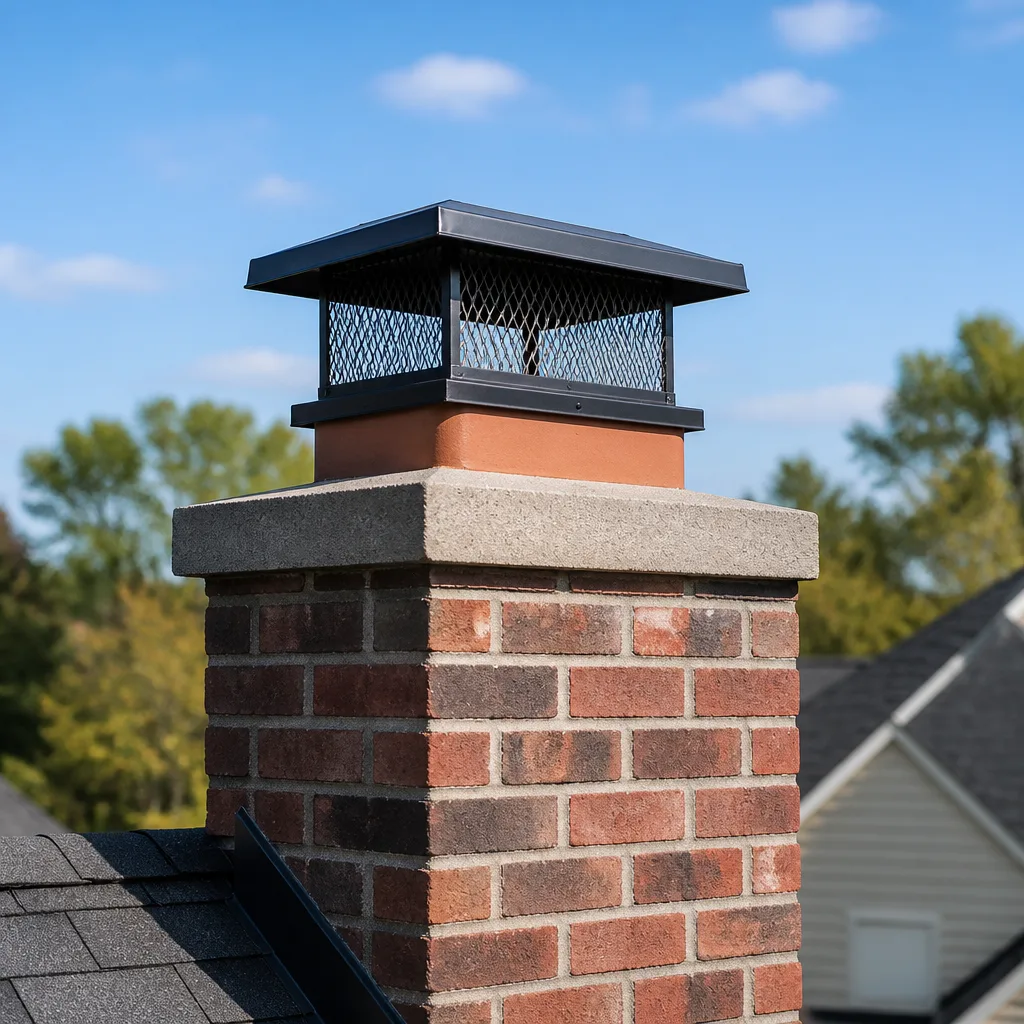 Caps & crowns
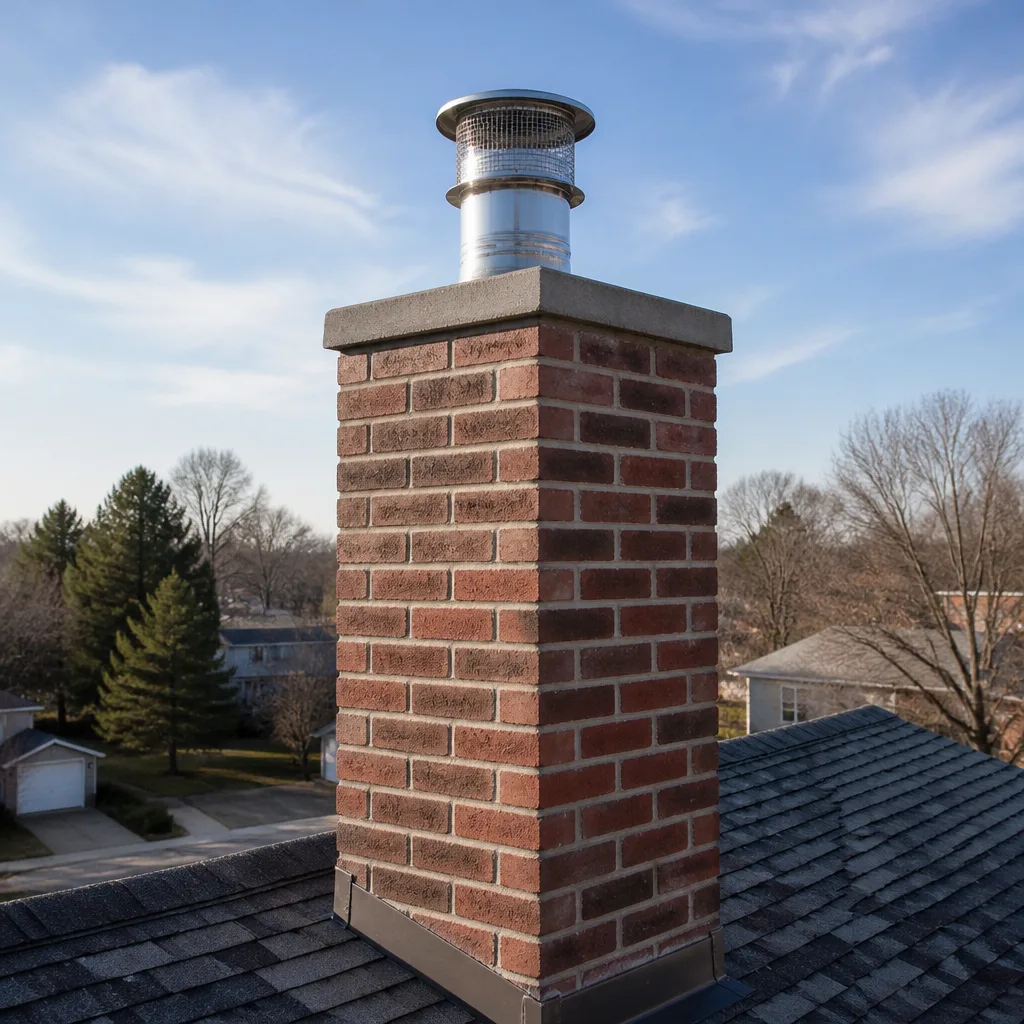 Flue relining
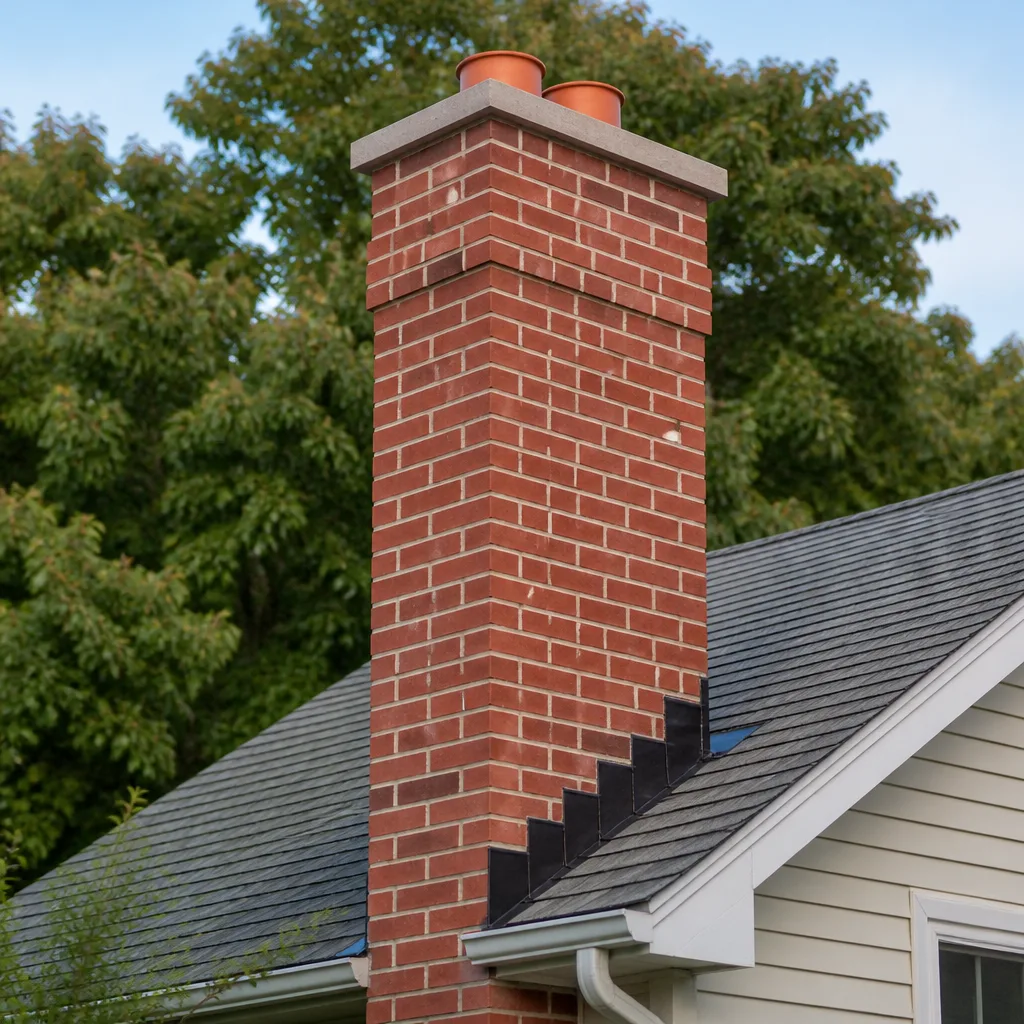 Masonry repair
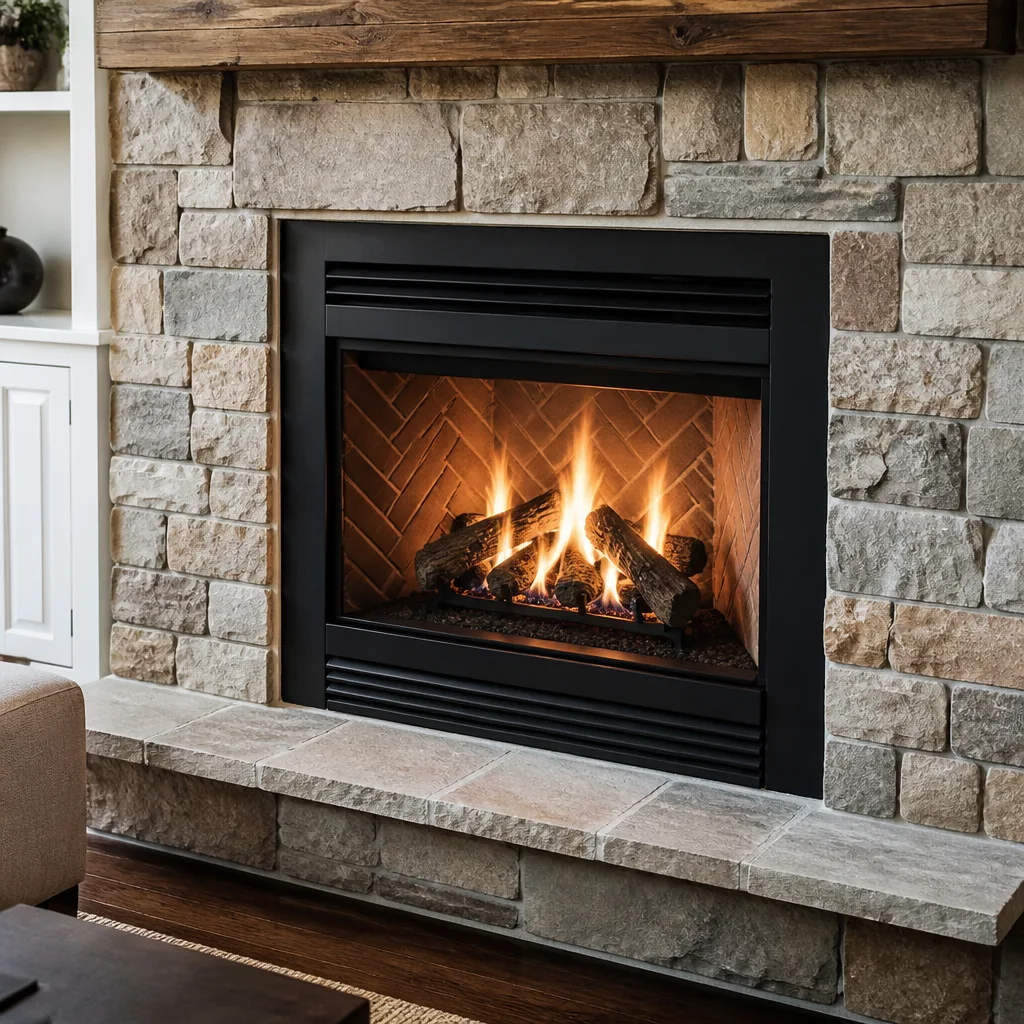 Gas fireplace service
Level 1 sweep and inspection to the NFPA 211 annual standard - flue, crown, cap, and flashing checked and photographed
Chimney sweep logs do not sweep chimneys. They loosen some creosote - which then falls where a brush and vacuum still have to collect it.
Chimney Cleaning Emergency Preparedness Guide for Evansville Homes
A chimney fire doesn’t always roar. Many produce a low rumble that sounds like a distant train, a faint smoke smell in a room that shouldn’t have one, or puffs of dark grit at the damper. Homeowners sometimes sit with an active chimney fire for twenty minutes before realizing what they’re hearing, because they expected flames and drama and got neither. Knowing the difference between a chimney fire and a drafting problem, and knowing exactly what to do in the first ten minutes, is what separates contained damage from catastrophic loss. This guide gives Evansville homeowners a plain-language action plan for each scenario before they ever need it. Read it now. The moment you need it, you won’t have time to search.
Quick Answer
If you suspect a chimney fire: call 911, get everyone out of the house, and don’t close the damper until the fire department is on the way – then follow their instructions. If you suspect carbon monoxide from a blocked or damaged flue: evacuate immediately, call 911, and do not re-enter until cleared. After any chimney emergency, a Level 2 inspection is required before the fireplace is used again. In Evansville, the highest-risk months for both events are November through February, when wood-burning appliances run hardest and chimney deposits build fastest.
Styles & brands we work with
- Sweep & inspection
- Caps & crowns
- Flue relining
- Masonry repair
- Gas fireplace service
Table of Contents
- Chimney Fire vs. Drafting Problem: How to Tell the Difference
- Step-by-Step: What to Do During a Chimney Fire
- Carbon Monoxide Scenarios Tied to Chimney Blockages
- What to Tell the Fire Department When They Arrive
- Documentation You’ll Need for the Insurance Claim
- Post-Emergency: Why a Level 2 Inspection Is Required
- Prevention: What Evansville Homeowners Can Do Before Burning Season
Chimney Fire vs. Drafting Problem: How to Tell the Difference
Chimney fires and drafting problems share some surface symptoms – smoke in the room, odd smells, poor performance – which is exactly why they get confused. But the cues that separate them are distinct, and recognizing them fast matters. A drafting problem is a venting issue; a chimney fire is an active combustion event inside the flue. One can wait for a scheduled inspection. The other cannot.
Signs of an Active Chimney Fire
- A low roar or rumbling that sounds like a distant train or a large engine idling. This is the most misread sign – many people describe it later as “something in the house sounded wrong.”
- Popping or cracking noises coming from the flue itself, not the firebox.
- Dense smoke or a burning smell from the chimney top or drifting into the room through the damper.
- Puffs of dark crema-colored or black smoke exiting the chimney cap when you step outside to look.
- Visible flames or sparks at the top of the chimney or around the cap.
- A hot chimney exterior – the masonry or metal pipe is noticeably warm or hot to the touch.
Signs of a Drafting Problem (Not an Emergency)
- Thin smoke that rolls back into the room when you first light the fire, then clears as the flue warms.
- Smoke that appears only on windy days or when a kitchen or bath fan runs.
- An occasional campfire smell in the room when no fire is burning – often a negative-pressure issue.
- The fire burns poorly, struggles to stay lit, or smolders.
- No roaring, no popping, no hot chimney exterior, no smoke from the top when nothing is burning.
A drafting problem is worth a call. It’s rarely urgent that day unless it’s accompanied by carbon monoxide symptoms. A chimney fire, even a small one, is always urgent. If you’re not sure which one you’re looking at, treat it as a fire. We inspect chimneys across Evansville and the surrounding area, and the difference between the two is usually obvious the moment we’re up top.
Step-by-Step: What to Do During a Chimney Fire
What you do in the first ten minutes of a chimney fire dictates how much of the chimney survives. The instinct to smother the fire by closing the damper and glass doors is understandable – cutting off air is how you’d handle a kitchen fire – but in a chimney it’s contested. Closed dampers can trap superheated gases inside the flue, which may drive damage deeper into the structure. Fire departments across the country are split on this, and instructions vary by jurisdiction. What follows is the sequence most chimney professionals and fire safety organizations recommend.
- Get everyone out of the house first. No exceptions. Don’t try to fight the fire. Don’t gather belongings. Get outside, then call 911. If the fire is small enough that you’ve already extinguished it before dialing, call anyway.
- Call 911. Tell them there is a chimney fire at your address. Give the intersection or landmarks so they can find you quickly.
- Don’t close the damper yet. The fire department may tell you to cut off air, or they may tell you to leave it open. Follow their instructions, not your instinct. If they can’t reach you, leaving it open lets the fire burn out inside the flue rather than superheat it.
- If you have a fireplace extinguisher or a powder-type extinguisher, use it from below the firebox on the burning wood – but only if the fire hasn’t spread outside the firebox. Never spray water into a hot flue.
- Get out of the house and stay out until the fire department arrives. Stand where you can see the chimney and can direct responders.
- Once they arrive, tell them exactly what you saw and heard. They’ll assess the flue and tell you whether you can re-enter.
- Do not use the fireplace again until a Level 2 inspection has been completed by a qualified chimney professional. Not the next night. Not after the holidays. Not at all.
What not to do: don’t throw water down the flue (the thermal shock can crack a flue tile liner or warp a metal one), don’t open the firebox doors to get a look, and don’t assume “it seems fine now.” Small chimney fires often do their worst damage invisibly – a cracked tile, a warped liner joint, a creosote-glazed flue that will burn hotter next time.
Carbon Monoxide Scenarios Tied to Chimney Blockages
Carbon monoxide is the chimney emergency most people don’t prepare for. It has no color, no smell, and no warning unless you have an alarm. Every year, chimney blockages send otherwise careful homeowners to the hospital – some don’t make it. The blockages themselves are common and unglamorous: bird nests, leaf debris, a collapsed liner section, a broken flue tile, soot-fall from a deferred sweep, a dead animal, or a squirrel cache.
Why Winter Is the Highest-Risk Season in Evansville
Evansville winters swing between forty-degree damp days and single-digit cold snaps. Each swing pushes the furnace, fireplace, and wood stove harder, and that’s when blockages reveal themselves. A flue that drafts acceptably in October may back-draft into the home in December when the outside air is dense and cold and the block has grown with a season’s worth of creosote. The furnace vent and the fireplace flue can also interact – if one robs draft from the other, CO can leak into living space.
What to Do If You Suspect Carbon Monoxide
- If your CO alarm sounds, treat it as real. Don’t silence it and go back to bed.
- Get everyone outside immediately, including pets. Call 911 from outside the home.
- Do not re-enter until the fire department has cleared the building.
- If anyone has a headache, dizziness, nausea, or confusion, tell the 911 operator and get medical attention. Symptoms can mirror a cold or flu and get missed.
- After the source is addressed, have the chimney inspected before lighting another fire. A Level 2 inspection will find the blockage or liner failure that caused the event.
The good news: a CO alarm on every level of the home, plus an annual sweep before burning season, catches nearly every chimney-related CO scenario before it becomes one. We recommend alarms that display a numeric reading so you can tell a false alarm from a real one.
What to Tell the Fire Department When They Arrive
Firefighters are trained to fight the fire in front of them, not to diagnose your chimney. The information you provide in the first two minutes shapes their approach. Have these facts ready when they pull up:
- The type of appliance – open masonry fireplace, gas insert, wood stove, pellet stove, or a fireplace with a stainless liner installed.
- What you observed – the roar, the popping, smoke from the top, the firebox behavior. Use plain language: “It sounded like a train” is more useful than “it was rumbling.”
- How long it burned before you called, even roughly.
- Whether the damper is open or closed, and whether they told you to close it.
- Whether anyone has CO symptoms – headache, dizziness, confusion.
- Whether you have a CO alarm and whether it went off.
- The chimney’s history if you know it – when it was last swept, whether a liner is installed, any prior repairs.
You also want to note the fire department’s incident number before they leave. That number is the piece of paper your insurance company will ask for first, and it’s much easier to get while the trucks are still on the street than three weeks later.
Documentation You’ll Need for the Insurance Claim
Chimney fire claims get denied when the documentation is thin. Insurers commonly want to know the cause (was it a maintenance failure or a sudden event?), the extent of damage, and whether the chimney was maintained. Gather these items while they’re fresh:
- Fire department incident report number – ask for a copy of the report from the responding department.
- Photos and video of the chimney exterior, the firebox, the flue from above and below, and any interior damage. Take more than you think you need. Time-stamp is automatic on most phones.
- Written record of what happened – the sounds, smells, timing, and what you did before the fire department arrived.
- A copy of your latest chimney sweep or inspection report, if you have one. This shows maintenance history and helps your adjuster see the chimney was cared for.
- A written assessment from a chimney professional describing the visible damage in technical terms: cracked flue tiles, warped liner, glaze damage, crown cracking. This is what your insurer will use to scope the repair.
- Receipts for any fire extinguisher use, hotel stays, or displacement costs if the home was uninhabitable.
We can work with your insurer and provide the written assessment and photos many adjusters ask for. What we can’t do is tell your insurance company what to pay – that conversation is between you and them. What we can do is make sure the technical record is accurate.
Post-Emergency: Why a Level 2 Inspection Is Required
After any chimney emergency – fire, CO event, blockage, or a lightning strike or earthquake (rare here, but it happens) – the chimney must be inspected at Level 2 before the appliance is used again. Level 2 means a full inspection of the accessible portions of the flue, typically with a chimney camera, and it’s the standard called for by the National Fire Protection Association after any event likely to have caused damage.
What a Level 2 Inspection Involves
- Visual inspection of the firebox, damper, smoke chamber, and flue through the firebox opening and from the top of the chimney.
- A camera inspection of the flue to see cracks, gaps, offsets, missed joints, glaze damage, and liner condition that a visual check from below can’t reveal.
- Inspection of the chimney exterior – crown condition, flashing, siding, masonry joints, cap.
- Inspection of connected appliances and venting – furnace, water heater, and any other appliance sharing the chimney.
- A written report with photos you can hand to an insurer or keep for your records.
If the inspection finds damage, the fix is usually one of three things: liner resurfacing with HeatShield for flue tiles that are cracked but structurally sound, full relining with a DuraFlex flexible stainless liner for a flue that’s failed or unlined, or localized repair to the crown, cap, or masonry. All three are jobs a sweep-only company typically refers out. We do them in-house – the same visit reveals the problem, addresses it, and documents the result. Our technicians have up to 13 years of experience, and they’ve seen what these chimneys look like after a fire. It’s rarely obvious from the living room.
Prevention: What Evansville Homeowners Can Do Before Burning Season
Every chimney emergency in this guide is preventable. Not in the sense that “you should be careful” – in the sense that the specific causes (creosote buildup, blockages, liner failures) are things an annual sweep and inspection catch before they become emergencies. Here’s what to do, in order of impact.
- Schedule a chimney sweep before burning season – ideally in late summer or early fall, before the first fire of the year. In Evansville that means September or October. Getting on the calendar early means you’re not the person calling in December when everyone else is.
- Get a Level 1 inspection with every sweep. Most reputable companies include this. It’s how a small cracked tile or a starting crown failure gets caught while it’s still small.
- Install and test CO alarms on every level of the home. Replace batteries yearly. If you don’t have an alarm yet, this is the single highest-value item on this list.
- Burn dry, seasoned wood. Unseasoned wood creates more creosote per hour of burn. Split wood stacked and covered for at least a year burns cleaner and hotter.
- Don’t burn trash, cardboard, or wrapping paper. Paper sends flaming debris up the flue and accelerates creosote glazing.
- Get a chimney cap installed if you don’t have one. A cap keeps birds, squirrels, rain, and leaves out. Roughly three-quarters of the blockages we see start at the top of the chimney, and most of those would have been prevented by a cap.
- After any storm or a chimney-adjacent construction project, get the flue checked before lighting a fire. Debris falls down flues more often than people think.
Prevention is also where chimney repair earns its keep. A cracked crown or a deteriorating smoke chamber is not an emergency today – but it will be one eventually. We’ll tell you what we find, in plain language, with no upsell pressure, and we’ll say plainly when a fix can safely wait until spring.
Common Mistakes to Avoid
- Assuming “it seems fine now.” Many chimney fires self-extinguish and leave behind damage that only a Level 2 inspection will find. Lighting a fire days later in a cracked flue is how a contained event becomes a house fire.
- Closing the damper before the fire department tells you to. This is a contested first step for a reason: trapped superheated gases can drive damage deeper. Follow professional instructions, not instinct.
- Skipping the fire department because the fire went out. Call anyway. The incident report is required by most insurers, and the fire department can check for extension into the framing.
- Treating CO symptoms like the flu. Headache, nausea, dizziness, and confusion in winter months can look like a virus and get missed. If multiple people in the home feel off at the same time, get outside and call 911.
- Using a general handyman or HVAC company for the post-emergency inspection. Chimney work requires chimney-specific knowledge. A generalist is likely to say “it looks fine” and refer you out – or worse, miss a cracked tile. Chimney-only specialization is what catches the things a generalist won’t.
- Hiring a sweep who won’t get on the roof. A sweep that only cleans from below can’t see the crown, the cap, the masonry joints, or the top of the flue – where most problems start.
- Waiting until December to book a sweep. Evansville sweep schedules fill up as the first cold snap arrives. The homeowner who calls in September has a clean chimney by Halloween. The homeowner who calls in December gets the first available opening, and it’s rarely before the holidays.
See the difference
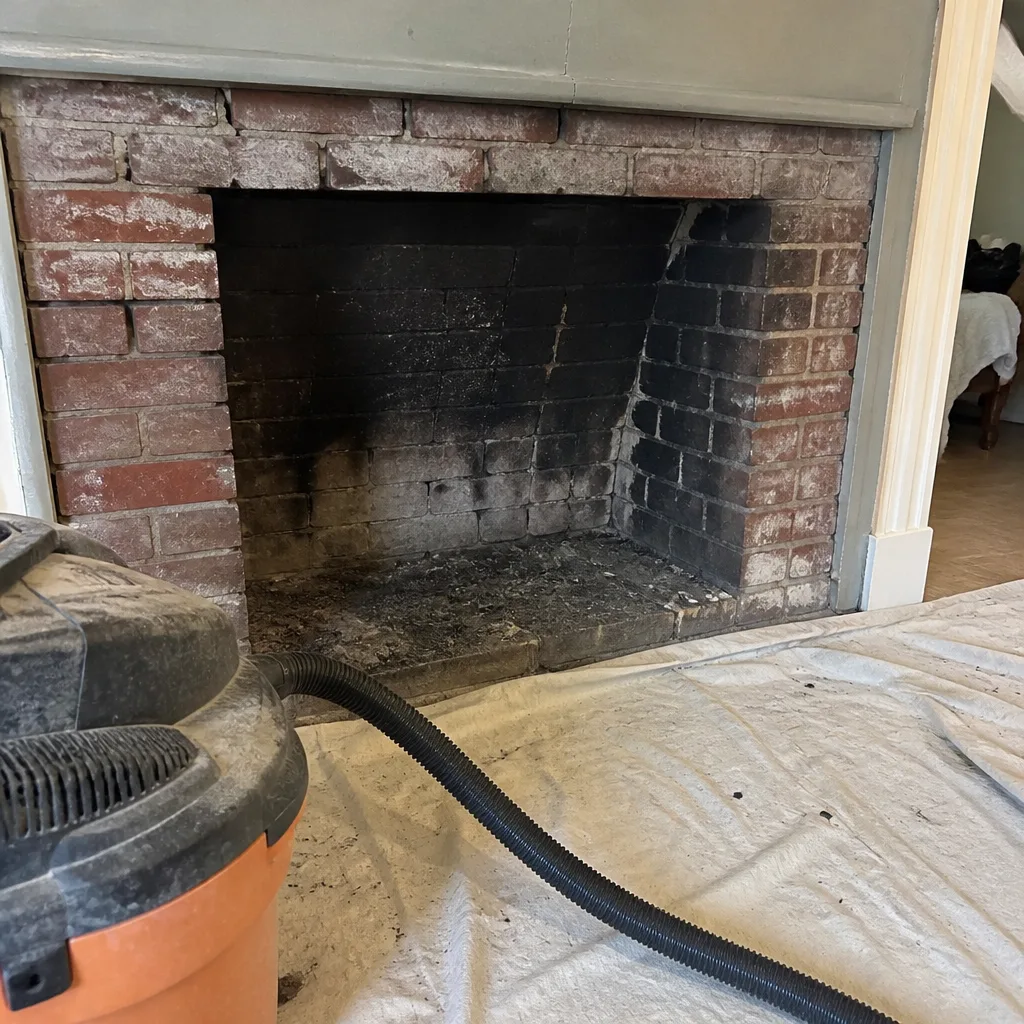 Before
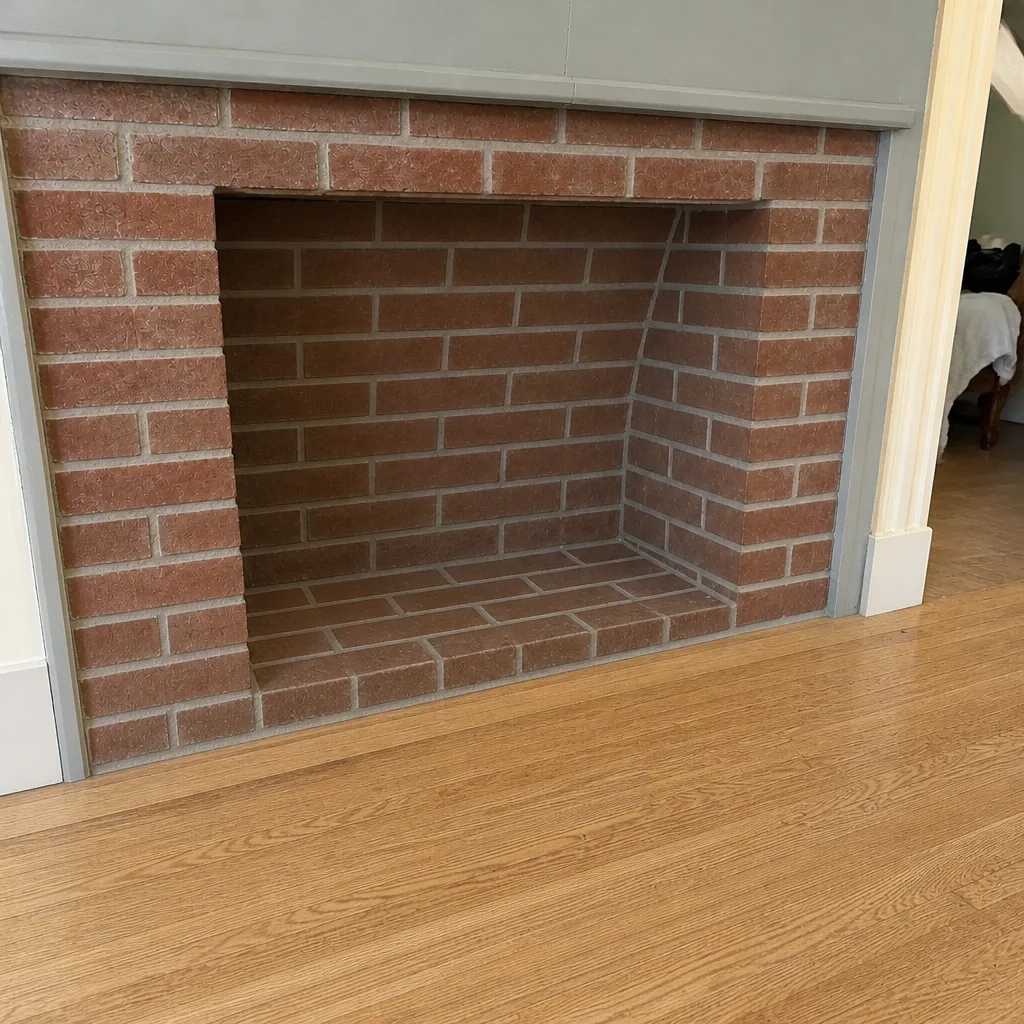 After
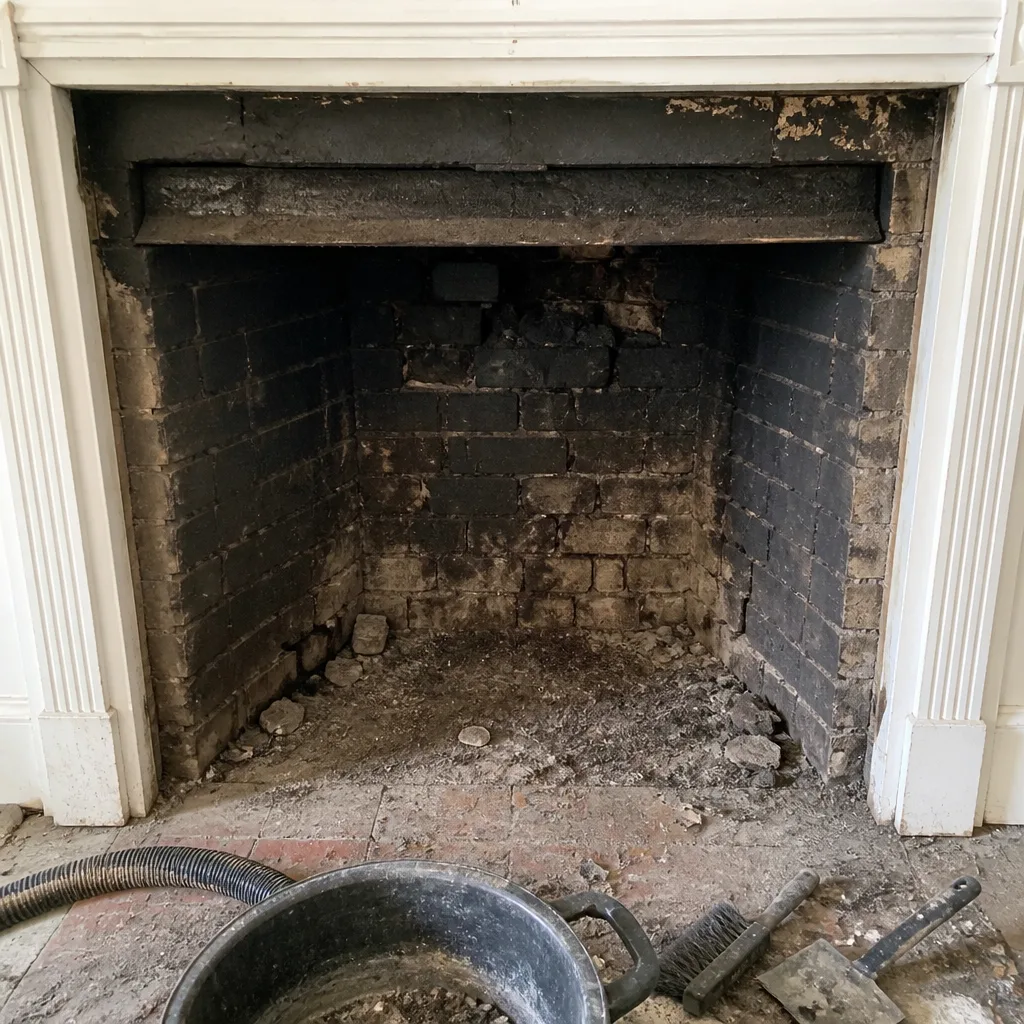 Before
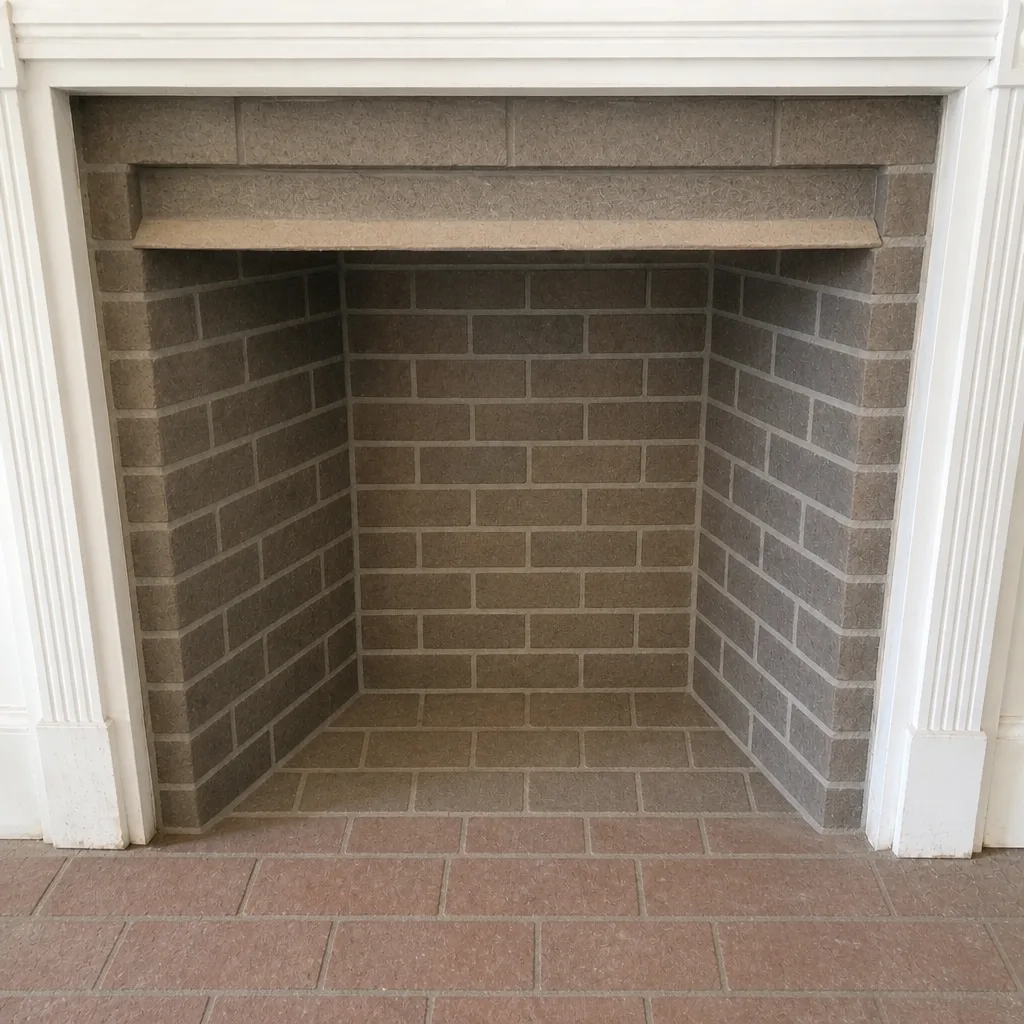 After
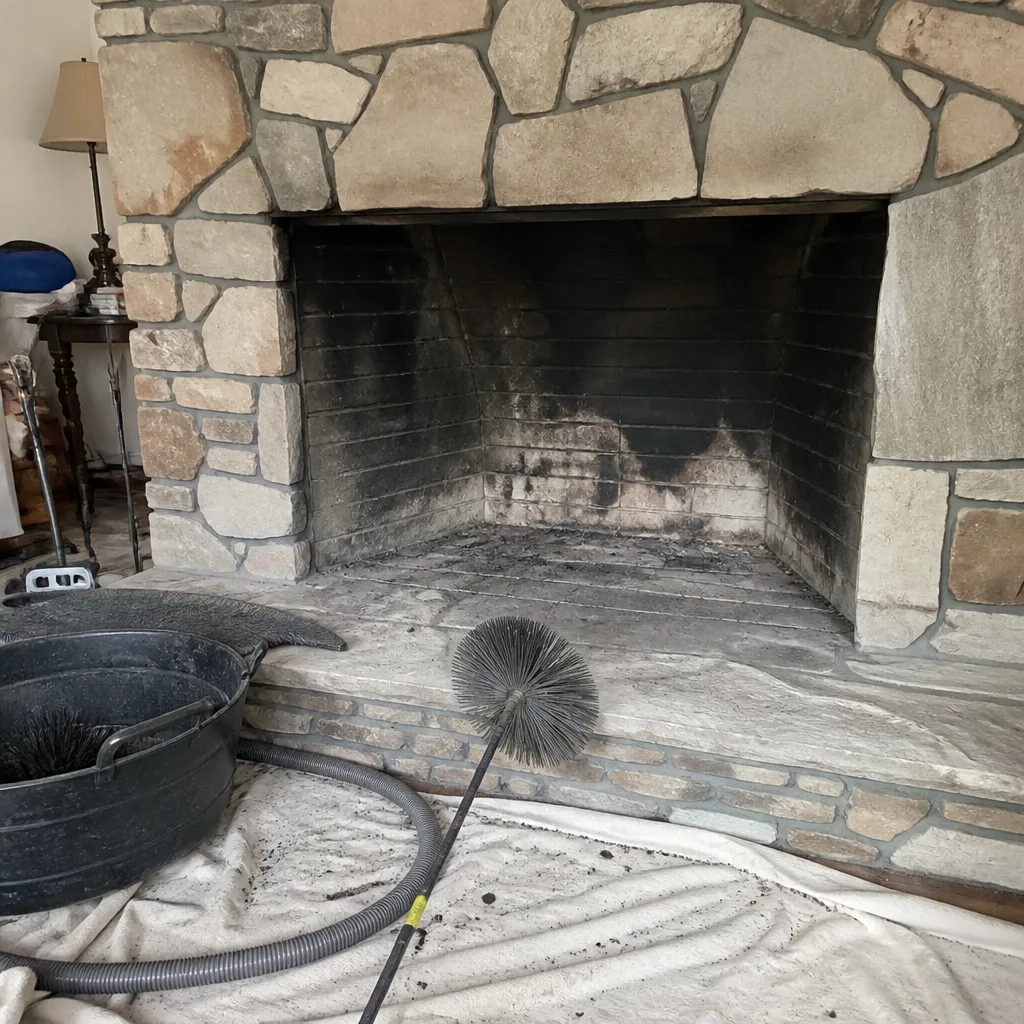 Before
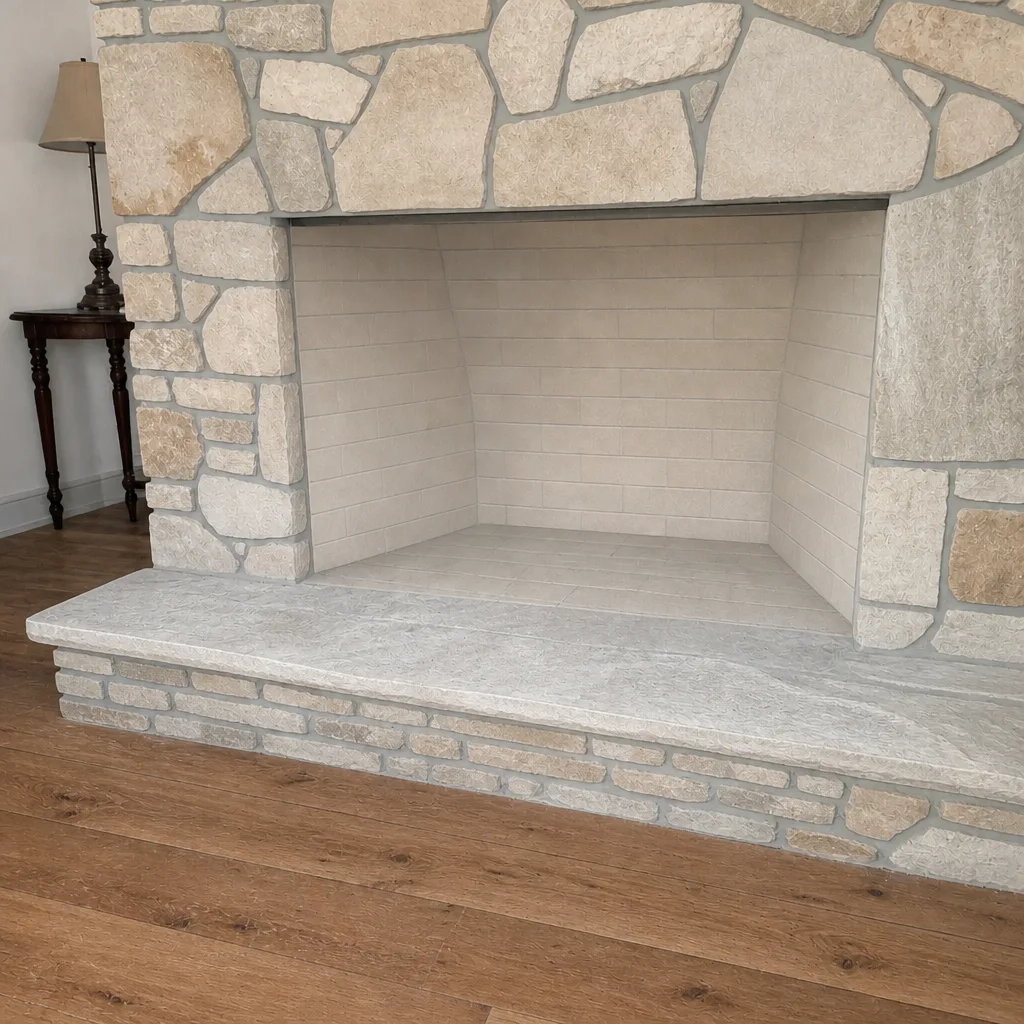 After
When to Call a Professional
Call us if any of these is true: you’ve had a chimney fire, even a small one; anyone in the home has had CO symptoms; you’ve seen smoke or puffs of black grit at the damper; the firebox has cracks or missing mortar; you’ve never had the chimney swept and don’t know its history; a home inspector or insurer has flagged the chimney; or you’re about to buy a home with a fireplace and want to know what you’re getting. Those are all scenarios where an inspection is worth scheduling. None of them benefit from waiting until spring.
Chimney Sweep Evansville offers free estimates in Evansville – call (833) 365-6875. We answer 24/7 and fast dispatch runs 7am to 7pm, Sunday through Friday. We’re closed on Saturdays.
Frequently Asked Questions
The most missed sign is a low roar or rumbling from the flue, often described as sounding like a distant train. Alongside that you may hear popping or cracking, smell burning smoke that isn’t coming from the firebox, see dark smoke or puffs of black grit exiting the top of the chimney, or notice the chimney exterior is hot to the touch. If any of those fit, treat it as a fire, call 911, and evacute the house. Call (833) 365-6875 after the fire department clears the scene – an inspection is the next step.
Not until the fire department tells you to. Closing the damper can trap superheated gases inside the flue and drive damage deeper into the chimney structure or the surrounding framing. Fire departments differ on their advice, so the correct sequence is: get out of the house, call 911, and follow their instructions rather than your instinct. After the fire, a Level 2 inspection is required before using the fireplace again. Call (833) 365-6875 to schedule that inspection.
Once a year for most Evansville homeowners who burn regularly, and more often if you burn frequently, burn unseasoned wood, or have a wood stove running daily through the winter. A sweep before burning season (September or October) gets the creosote out before it has a chance to ignite. Skipping a year is how a perfectly manageable chimney becomes an emergency flue. Call (833) 365-6875 to book a sweep and inspection, and we’ll tell you what condition the flue is in.
Creosote buildup gets thicker and harder. A thin layer ignites easily and burns hot enough to crack flue tiles or warp a metal liner. A thick glazed layer burns hotter and longer. On top of that, blockages from birds, squirrels, or leaf debris accumulate unnoticed, and a blocked flue can push carbon monoxide into the home instead of up and out. That’s the actual risk. It isn’t a marketing line. Call (833) 365-6875 for a free estimate on a sweep and inspection.
Yes. Level 2 is the standard inspection called for after any chimney fire or event likely to have caused damage, and it’s what a full camera inspection of the flue requires. The damage from a small fire is often a cracked tile or a warped liner joint that looks fine from below but is clearly visible on camera. Your insurer will likely require the Level 2 report anyway. We can perform it and provide the written report with photos. Call (833) 365-6875 to get it scheduled.
The estimate is free. Pricing is set per job by the written estimate, so it reflects the actual scope of the work – a simple visual inspection is a different job than a full Level 2 with camera, and a repair is different from a sweep. We’ll give you a written number before you commit to anything, and the written estimate is the final price. Call (833) 365-6875. We answer 24/7 and dispatch runs 7am to 7pm, Sunday through Friday.
Yes, and this is the emergency most homeowners don’t prepare for. Bird nests, leaf debris, soot fall, animal caches, and collapsed liner sections all block the flue, and when the flue can’t vent, exhaust gases have nowhere to go but into the living space. Winter is the highest-risk season in Evansville because appliances run hardest and blockages accumulate through fall. If your CO alarm sounds or anyone has symptoms, evacuate and call 911. Once cleared, call (833) 365-6875 for an inspection before lighting another fire.
The Bottom Line
Chimney emergencies come in two forms – active chimney fires and carbon monoxide intrusions from blocked or failed flues – and both reward preparation over reaction. The urgent moves are simple: get out, call 911, follow the fire department’s instructions, and don’t use the fireplace again until a Level 2 inspection clears it. The preventive moves are even simpler: an annual sweep and inspection before burning season, a chimney cap at the top, dry wood at the firebox, and working CO alarms on every level. Everything else in this guide is detail. Those four habits keep a warmed fireplace from becoming an emergency at all. If you’re not sure where your chimney stands, get on the calendar before the first cold snap – not after.
Call (833) 365-6875 for a free estimate. We answer 24/7. Fast dispatch from 7am to 7pm, Sunday through Friday. We’re closed on Saturdays.
Written by the team at Chimney Sweep Evansville.