
Last updated November 15, 2026
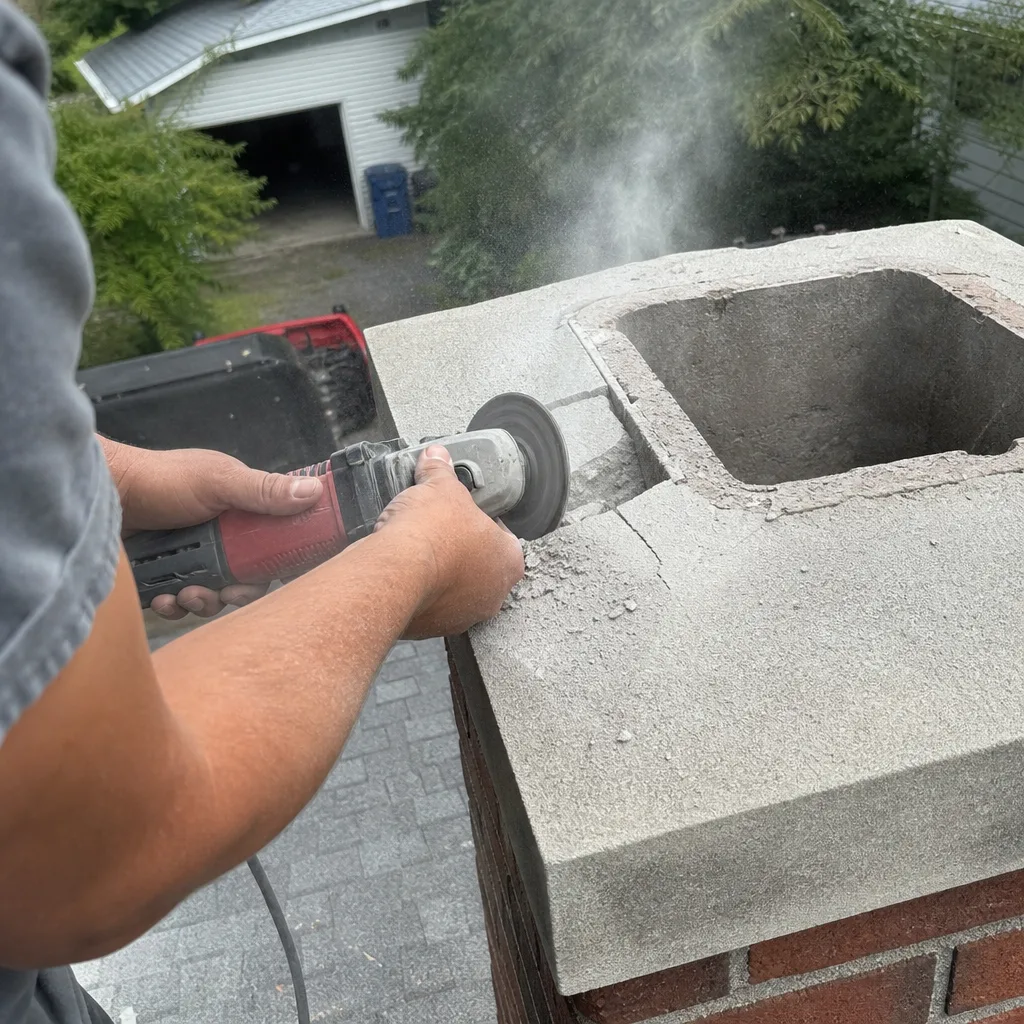
 Sweep & inspection
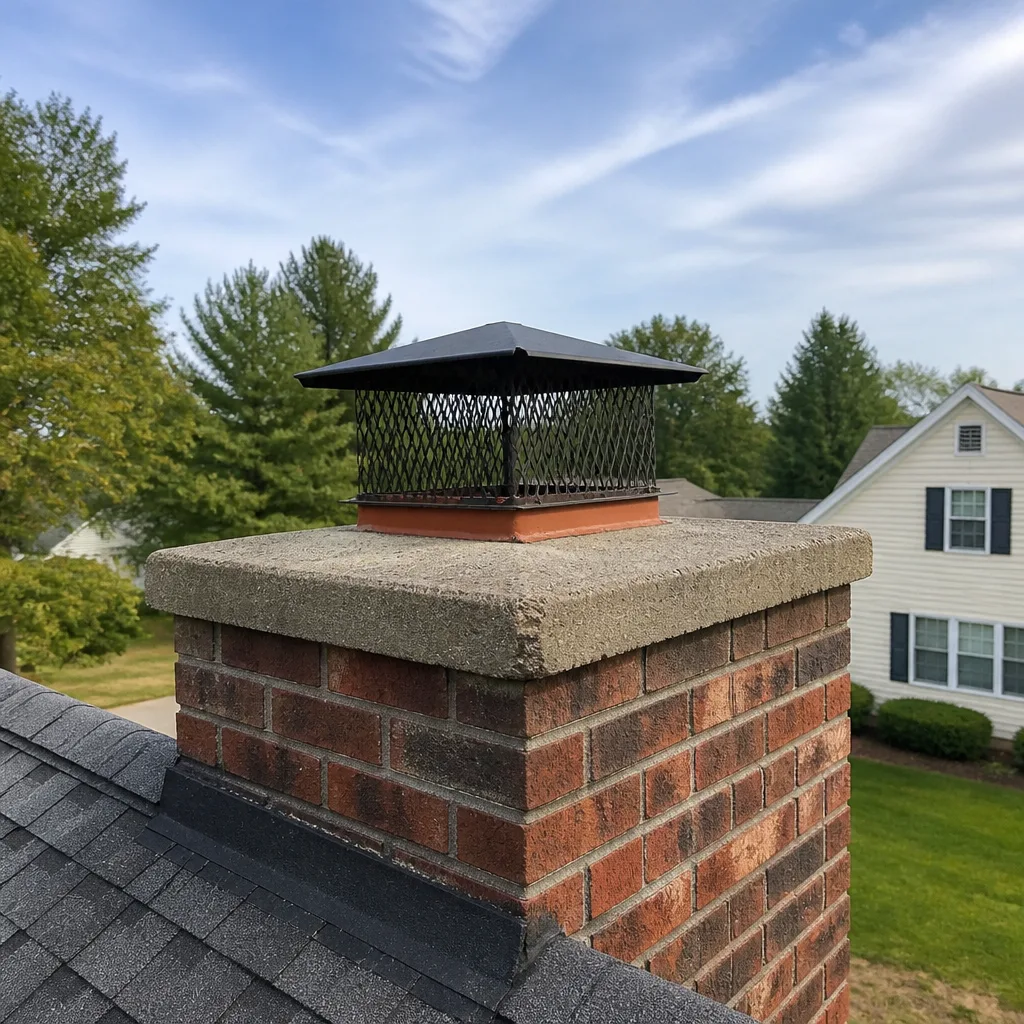
 Caps & crowns
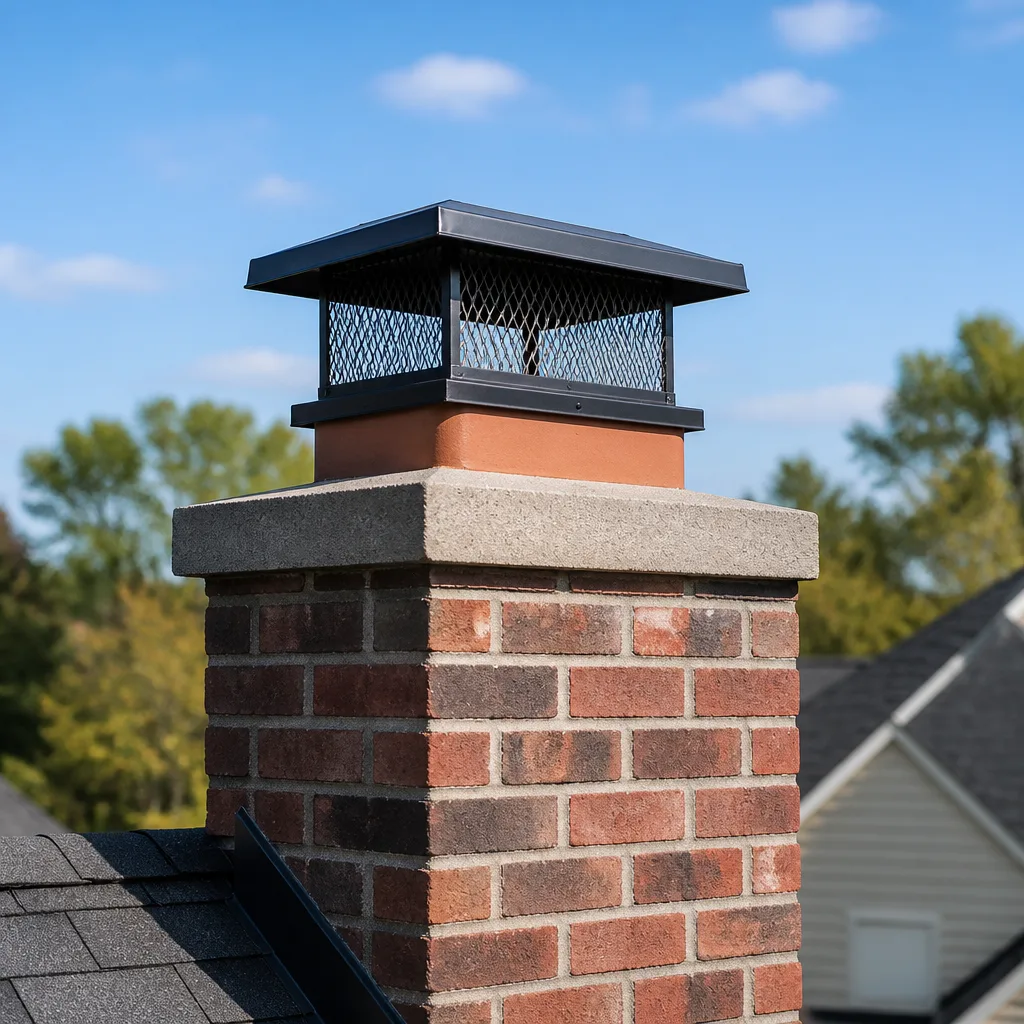
 Flue relining
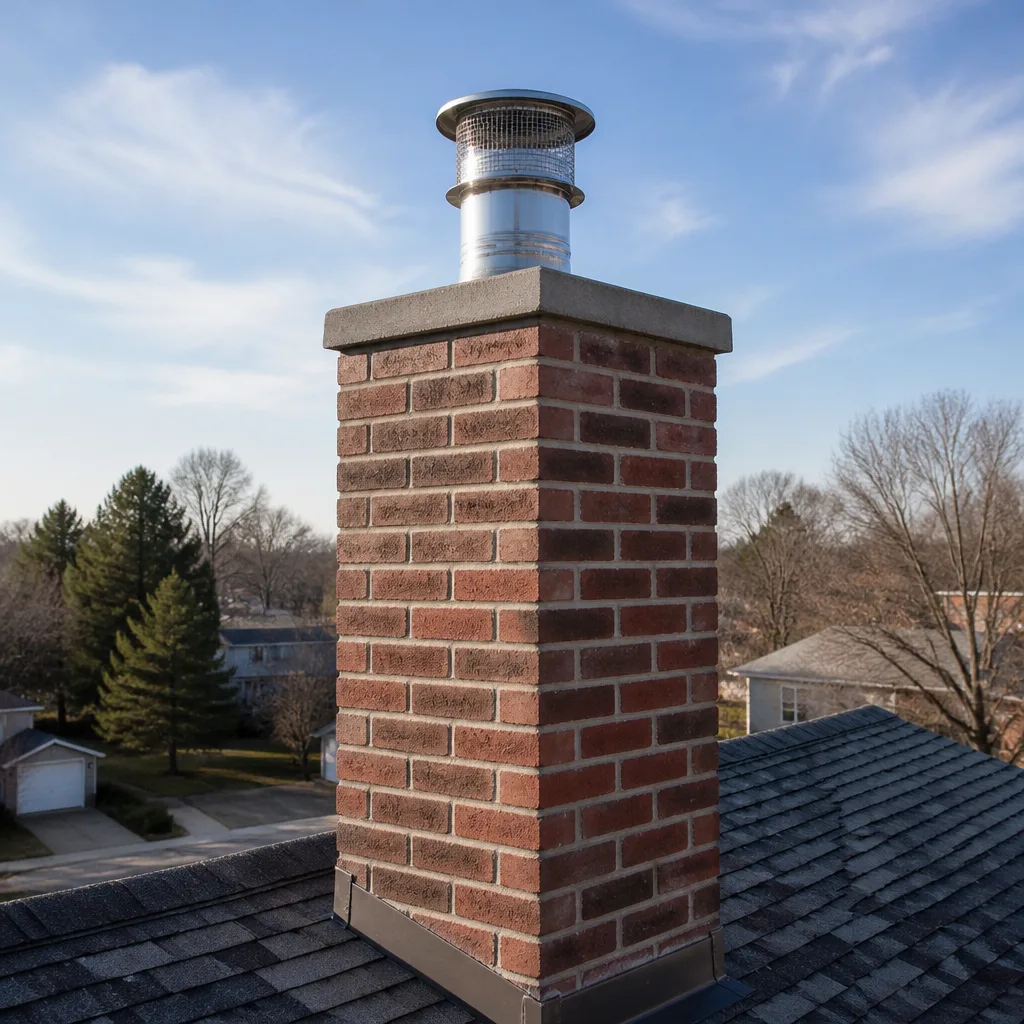
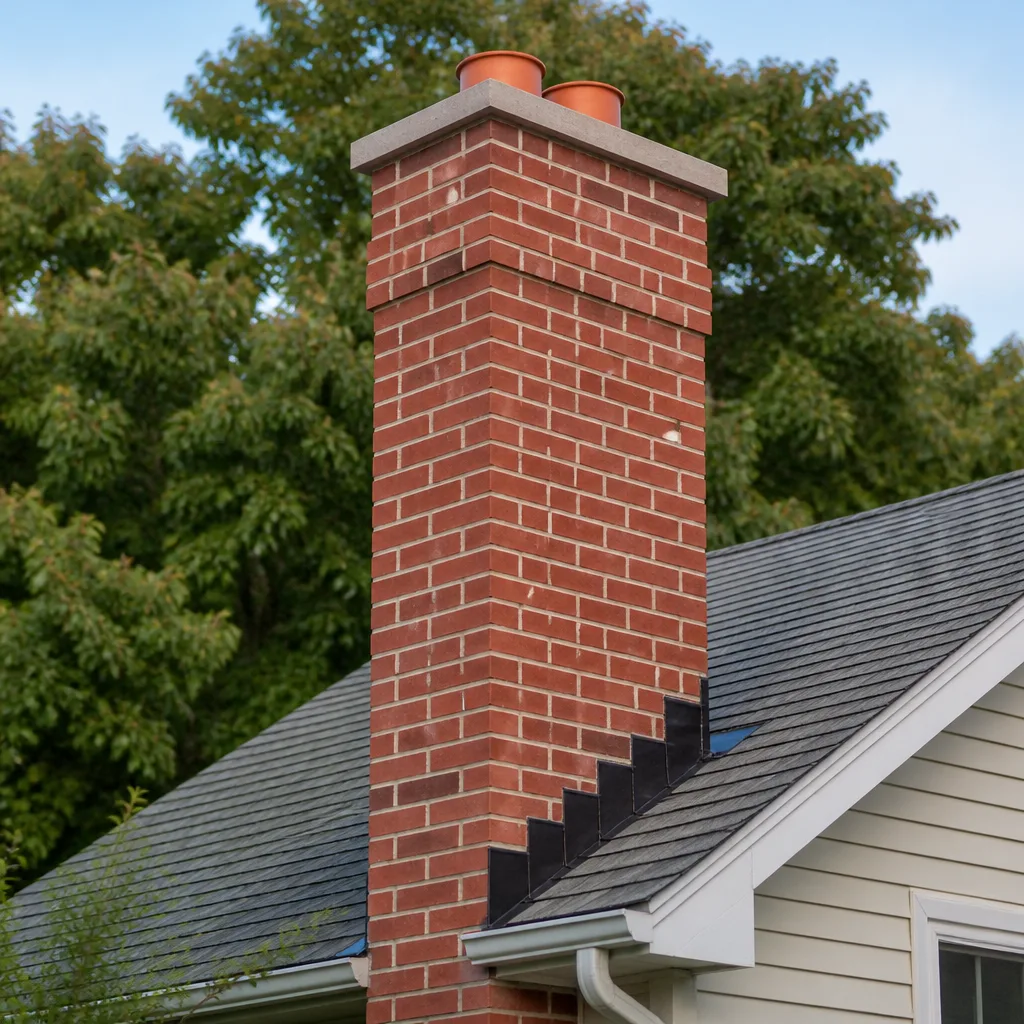 Masonry repair
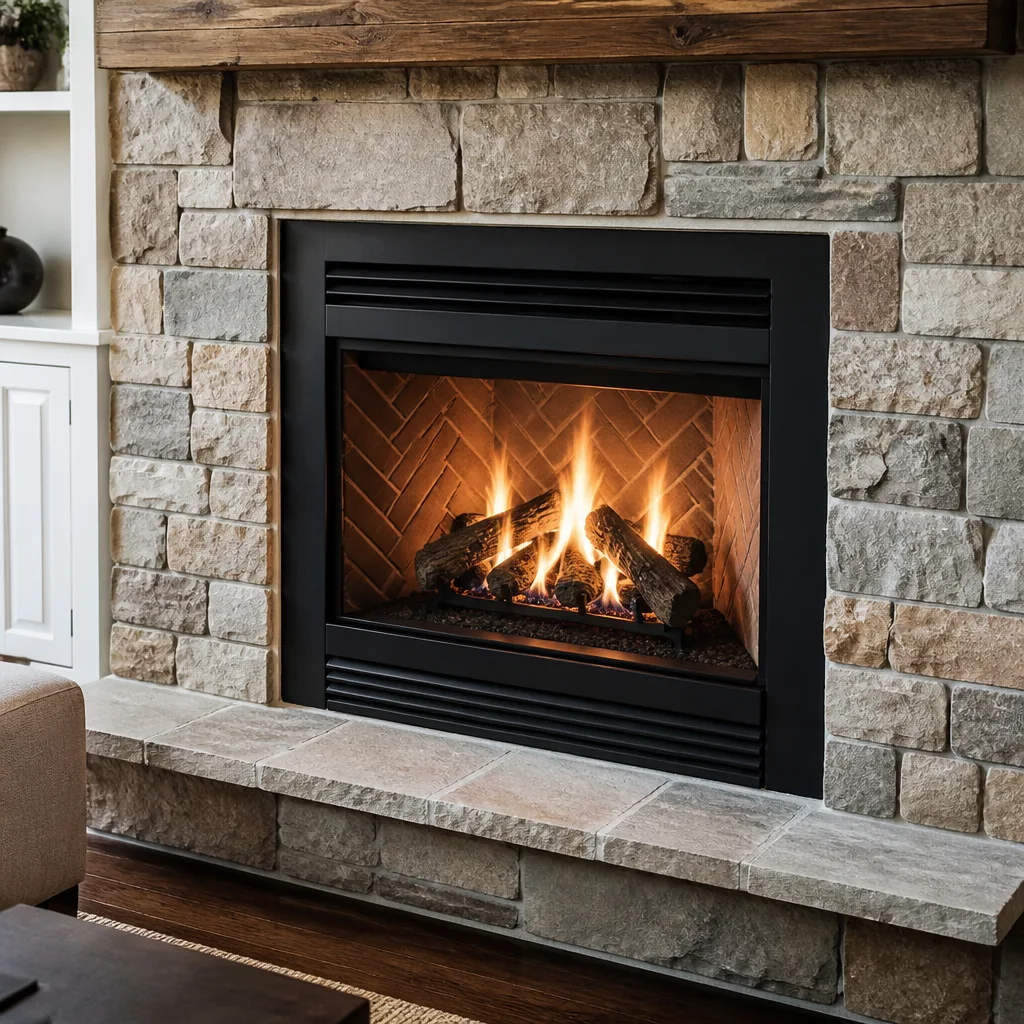 Gas fireplace service
Level 1 sweep and inspection to the NFPA 211 annual standard - flue, crown, cap, and flashing checked and photographed
Chimney sweep logs do not sweep chimneys. They loosen some creosote - which then falls where a brush and vacuum still have to collect it.
The Complete Guide to Chimney Cleaning in Evansville
Most people assume a chimney fire happens in a dirty flue. In reality, plenty of house fires start in chimneys that were swept on schedule. The missing piece is usually the inspection – cleaning clears creosote, but it doesn’t tell you whether a flue tile cracked, a liner connection pulled loose, or a crown has been letting water in for years. A sweep without a real inspection is half a service. This guide is built to change how you think about chimney cleaning in Evansville: what a thorough sweep covers, why creosote type changes the tools and time involved, and how to read a sweep report so you can tell a legitimate repair recommendation from an upsell.
Quick Answer
A professional chimney cleaning in Evansville is a top-to-bottom diagnostic service, not just a brush down the flue. It includes a Level 1 inspection, removal of creosote and soot from the firebox up through the crown, and a written report of what was found. How long it takes and what it costs depend on fuel type, flue condition and creosote level – not on how many fireplaces you have.
Styles & brands we work with
- Sweep & inspection
- Caps & crowns
- Flue relining
- Masonry repair
- Gas fireplace service
Table of Contents
- Why Chimney Cleaning in Evansville Isn’t a Single Service
- Creosote Degrees: What “Cleaning” Actually Means
- Older Clay Tile Flues vs. Newer Gas Inserts
- The Level 1 Inspection That Belongs in Every Sweep
- Specialist Sweep vs. Generalist Handyman
- How to Read a Sweep Report
- What a Professional Sweep Looks Like, Step by Step
- How Often Should You Have It Done?
Why Chimney Cleaning in Evansville Isn’t a Single Service
Evansville sits in a river valley with cold, damp winters and humid summers – a climate that’s hard on masonry. Freeze-thaw cycles work on brick and mortar joints, and summer humidity gives any moisture that gets into the flue time to do damage before the next heating season. That combination means a chimney here rarely has just one problem. A sweep call in Evansville usually turns up two or three small issues that each need noting and one that needs attention before the next fire.
The second reason cleaning isn’t uniform: Evansville’s housing stock spans more than a century. You’ll find 1920s bungalows on the East Side with original clay tile flues, mid-century ranches in Harrison Hills with unlined masonry chimneys, and newer builds where the fireplace is a direct-vent gas insert with a factory-built metal flue. All three need cleaning, but the process is completely different for each:
- Masonry flues with clay tile: require rotary brushing, a full creosote assessment, and close inspection of tile joints and mortar.
- Older unlined chimneys: call for a camera inspection and a frank conversation about relining before the flue is used again.
- Factory-built and gas insert flues: cleaned with softer tooling at manufacturer-specified intervals, with the focus on venting, termination caps and gaskets rather than heavy creosote.
- Wood stoves and solid-fuel appliances: heavier creosote loads and more frequent sweeping, especially if the wood has been seasoned less than a year.
That range under one roof is the reason a generalist approach doesn’t work. If we’re ever going to tell you something needs repair, it’ll be because we saw it – through a camera, up close, not by guessing from the firebox. The full range of what we handle is on our Chimney Sweep Evansville page.
Creosote Degrees: What “Cleaning” Actually Means
Creosote is the byproduct of incomplete combustion, and it comes in three distinct forms that require three different cleaning approaches. Knowing which one is in your flue tells you exactly what you’re paying for.
First-degree creosote
A light, flaky soot deposit that brushes off easily with standard poly brushes. This is what a well-maintained flue looks like when it’s burned dry, seasoned wood and swept annually. A routine sweep handles it in a single visit.
Second-degree creosote
Darker, crustier, and stuck to the flue walls as a tar-like film. Standard brushing will knock off the surface, but it glazes when heated and can reignite. Second-degree creosote is where cleaning moves from “sweep” to “mechanical removal” – rotary whips, specialized creosote solvents, and sometimes more than one visit depending on how thick the deposit is.
Third-degree creosote
Hard, glazed, and baked onto the flue tile to the point that a brush barely touches it. Third-degree creosote is a fire risk because it burns hot and can crack clay tile. Cleaning at this stage usually involves a rotary chain whip or similar contractor-grade removal, and if the tile has cracked, resurfacing with HeatShield – the industry standard for restoring deteriorating flue tiles without full demolition – becomes the conversation.
Why this matters: the creosote degree dictates the tools, the time, and often the cost of a sweep in Evansville. If a company quotes you a flat “chimney cleaning” price on the phone without asking about fuel type or the last time it was cleaned, they’re quoting a number, not a scope.
Older Clay Tile Flues vs. Newer Gas Inserts
Evansville has an unusual mix. Many homes built before 1970 still run on original clay tile flues, some unlined, with mortar joints that have been slowly working loose. Newer homes and remodels often have a gas insert or a direct-vent fireplace, which come with their own sealed, factory-built flue. Both live in the same neighborhoods and both need different kinds of care.
What older clay tile chimneys need
- Annual sweeping if you burn wood regularly, and every few years if you burn only occasionally.
- A camera inspection of the flue tiles and joints, since cracked tiles let heat reach framing.
- Assessment of the crown – the concrete cap at the top of the chimney – which cracks in Evansville’s freeze-thaw cycles.
- Relining if the tile is cracked or missing. DuraFlex flexible liner systems are the standard for this job, and full relining is work most sweep-only companies refer out.
What gas inserts and newer flues need
- Cleaning less frequently – gas burns cleaner – but still inspection on a schedule because the venting can pull loose or draw poorly.
- Inspection of the termination cap and gaskets, which can deteriorate.
- Assessment of the firebox for corrosion or cracking around the burner.
One more wrinkle: some Evansville homes have a wood-burning fireplace that a previous owner converted to gas. In that case, the flue still needs to be inspected as a wood flue, because the conversion may not have been done with a properly sized liner. It’s one of the most common things a camera inspection catches.
The Level 1 Inspection That Belongs in Every Sweep
Every chimney sweep should include a Level 1 inspection – a visual, readily accessible check of the firebox, damper, smoke chamber, and as much of the flue as can be seen. Without it, sweeping is a cleaning service. With it, sweeping becomes a diagnostic service.
A Level 1 inspection during a sweep should catch:
- Firebox condition: cracks or open mortar joints in the firebrick, which allow heat to reach the structure behind it.
- Damper operation: whether it opens fully, seals fully, and isn’t rusted shut.
- Smoke chamber: the sloped area above the damper where creosote collects and where improper construction stops draw.
- Flue tile and joints: visible cracking, missing tile, or gaps that would let a chimney fire reach the house.
- Crown and cap: cracking or separation at the top, and whether the crown is directing water away from the flue.
- Chase cover and flashing: if the chimney is on an exterior wall, water intrusion at the roofline.
Skipping the Level 1 makes the sweep less valuable – you’re paying for the clean but not the information that comes with it. When we inspect before we sweep, we know exactly what’s up there before the brush goes in.
A note on safety: creosote removal and any work involving roof access, tall ladders or the top of a chimney is genuinely dangerous. We don’t recommend homeowners attempt their own inspection or cleaning up top, and we keep the process safe and controlled. A trained technician with the right equipment is the difference between an inspection you can trust and one that turns into an injury.
Specialist Sweep vs. Generalist Handyman
The most common reason a chimney problem is missed in Evansville is that a generalist was the one looking. A handyman who rotates through dozens of trades will notice obvious damage, but chimney work has a diagnostic rhythm that comes from doing it every day – which is why our technicians have up to 13 years of experience and nothing but chimney work on their schedule.
Here’s what the difference looks like in practice:
- Tools: a specialist carries rotary equipment, camera tooling, and the right brushes for different flue types. A generalist brings one brush and improvises.
- Creosote assessment: a specialist can identify first-, second-, and third-degree creosote on sight and change the process mid-sweep. A generalist often can’t tell the difference, so glazed creosote gets left behind.
- Repair capability: when a specialist finds a cracked flue tile or a failed crown, they have the materials and skill on hand to fix it – DuraFlex liner systems, HeatShield resurfacing, contractor-grade mortars. A generalist refers it out, and you’re calling someone else.
- Inspection depth: a specialist runs a Level 1 on every sweep and a camera inspection whenever anything is unclear. A generalist sweeps and moves on.
- Specialist suppliers: companies that work with DuraFlex, HeatShield, Olympia Chimney, Famco and Copperfield as trade partners are held to those manufacturers’ installation and material standards. That’s not a marketing line – it means the work has to meet a specification.
The trade-off is real: a generalist may charge less, but the second call – to a specialist who has to re-inspect and often re-clean – typically eats the difference. In our experience, when a sweep turns up something that needs repairing, homeowners want it handled in the same visit, not handed off.
How to Read a Sweep Report
A written sweep report should tell you three things: what was found, what condition each part is in, and what – if anything – needs to be done before the next burning season. If your report says anything different, it’s not really a report.
Legitimate findings usually include:
- Creosote level (first, second, or third degree) with location in the flue.
- Condition of the firebox, damper, smoke chamber, flue tiles, crown, and cap – each noted separately.
- Any signs of water intrusion or efflorescence on masonry.
- Whether the flue is sized appropriately for the appliance.
- A clear recommendation, in plain language, and a note on anything that can safely wait.
Red flags that suggest upselling:
- Recommendations with no photo or camera evidence to back them up.
- Urgent demands to reline or rebuild on the spot, with no reasoning you can follow.
- A finding that isn’t tied to a specific location on the chimney.
- Prices quoted over the phone or before anything is inspected.
A chimney specialist should be comfortable showing you the camera footage and the photo report, and should say plainly when work can safely wait. If a repair is recommended, ask what happens if it isn’t done this year – a straight answer will tell you a lot.
What a Professional Sweep Looks Like, Step by Step
A thorough sweep in Evansville follows a consistent sequence, from the top of the chimney down to the firebox. Here’s what to expect:
- Walk-through and setup. The technician reviews your fireplace and appliance setup, checks for gas or oil service that needs to be shut off, and lays drop cloths to protect the room.
- Exterior inspection. Crown, cap, flashing, and the visible chimney chase, from the roof or ground level depending on access.
- Level 1 inspection. Firebox, damper, smoke chamber, and visible flue tile, all noted in writing.
- Camera inspection when needed. A flue camera runs the length of the flue to catch cracked tiles, disconnected liner sections, or hidden creosote.
- Creosote removal. Standard brushing for first-degree, rotary tooling for second- and third-degree, plus solvents where appropriate.
- Firebox and smoke chamber cleaning. Soot and ash cleared from the firebox, damper cleaned, smoke chamber scrubbed.
- Debris removal and final check. All debris removed from the home, and the firebox rechecked for anything left behind.
- Written report and recommendations. Plain-language summary with photos, and a clear note on what needs repair now versus later.
From the firebox to the crown, we handle the whole thing in one visit – which also means when something needs repair, we’re not handing you off to another contractor. Some of the repairs a sweep turns up – flue relining with DuraFlex systems, crown repair, damper replacement – are on our chimney repair page.
How Often Should You Have It Done?
The short answer: annually if you burn wood regularly, and at least every few years if you only burn occasionally. The longer answer depends on how, what and where you burn.
A general rule for Evansville homeowners:
- Wood-burning fireplace, regular use (a fire most weeks during winter): sweep and inspect annually.
- Wood-burning fireplace, occasional use: inspect annually and sweep as the report recommends – often every two to three years.
- Wood stove or solid-fuel appliance: sweep annually at minimum, and more often if the wood is unseasoned or the appliance is run at low output for long stretches.
- Gas insert or gas log set: inspect annually, with cleaning on the schedule the manufacturer specifies – gas burns cleaner, but venting and gaskets still need eyes on them.
- New home or first season in a new house: sweep and inspect before the first fire, since you don’t know the history.
Two other triggers that aren’t on a calendar: buy a home and suddenly inherit a fireplace with unknown history, or get a letter from an insurer or home inspector flagging the chimney. In both cases, a sweep and inspection before anything else is the right first step.
Common Mistakes to Avoid
- Treating the sweep as a stand-alone cleaning. If the company doesn’t include a Level 1 inspection, you’re paying for half the job – the report is what actually protects the house.
- Burning unseasoned wood to save money. Green wood produces heavy creosote, and in Evansville’s cold winters that fast buildup can push a flue from first-degree to second-degree creosote in a single season.
- Skipping the sweep because the fireplace “worked fine last year.” A chimney doesn’t announce its problems. A blocked flue or cracked tile can look completely normal from the firebox.
- Hiring whoever quotes the lowest price without asking about scope. A number quoted before anyone inspects the flue isn’t a price for your job – it’s a price for a generic job.
- Assuming a gas insert doesn’t need cleaning. Gas burns cleaner, but the venting, termination cap, and gaskets still need annual inspection, and the firebox can corrode.
- Ignoring water intrusion because it “doesn’t affect the fire.” In Evansville’s freeze-thaw climate, water in the masonry is one of the leading causes of crown and flue damage.
- Letting a handyman attempt a relining job. Relining is specification work – the liner has to match the appliance, the flue size and the manufacturer’s install requirements. DuraFlex and HeatShield systems are designed for trained installers.
See the difference
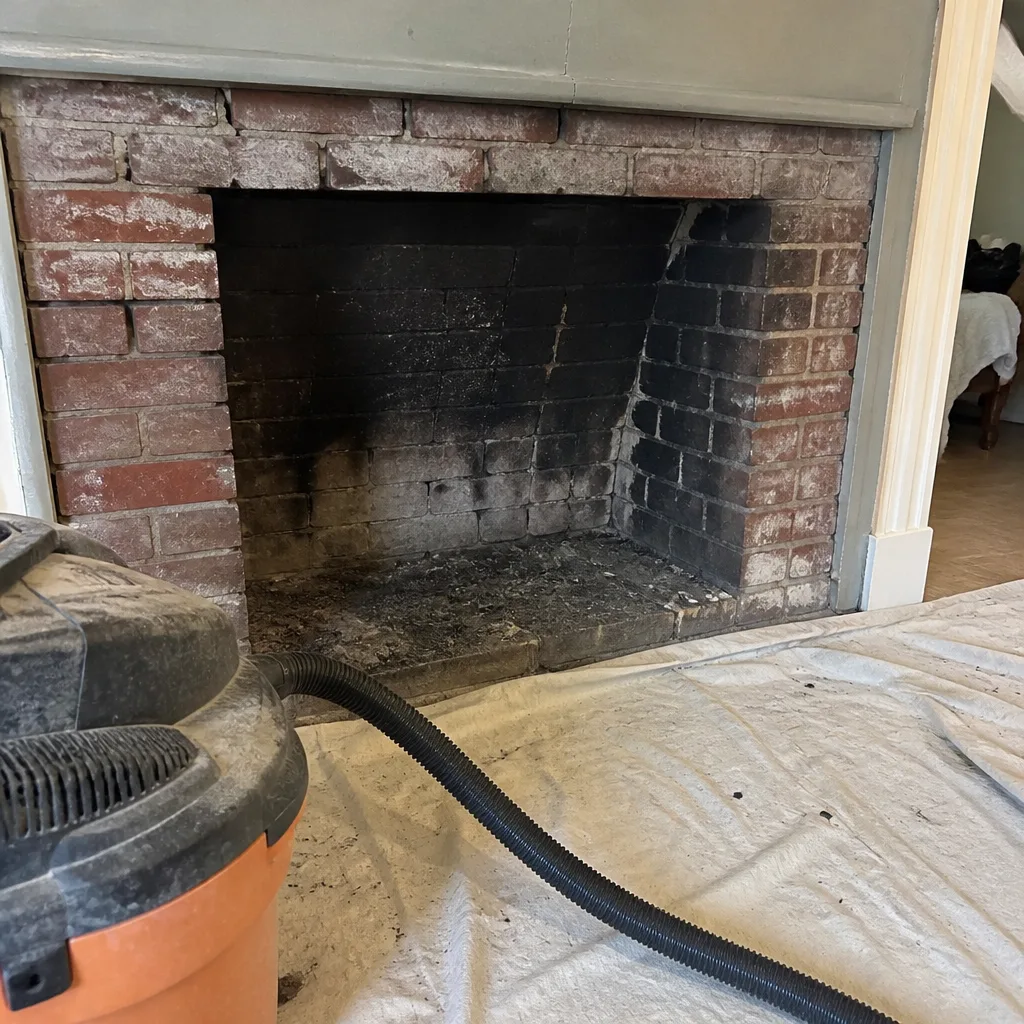 Before
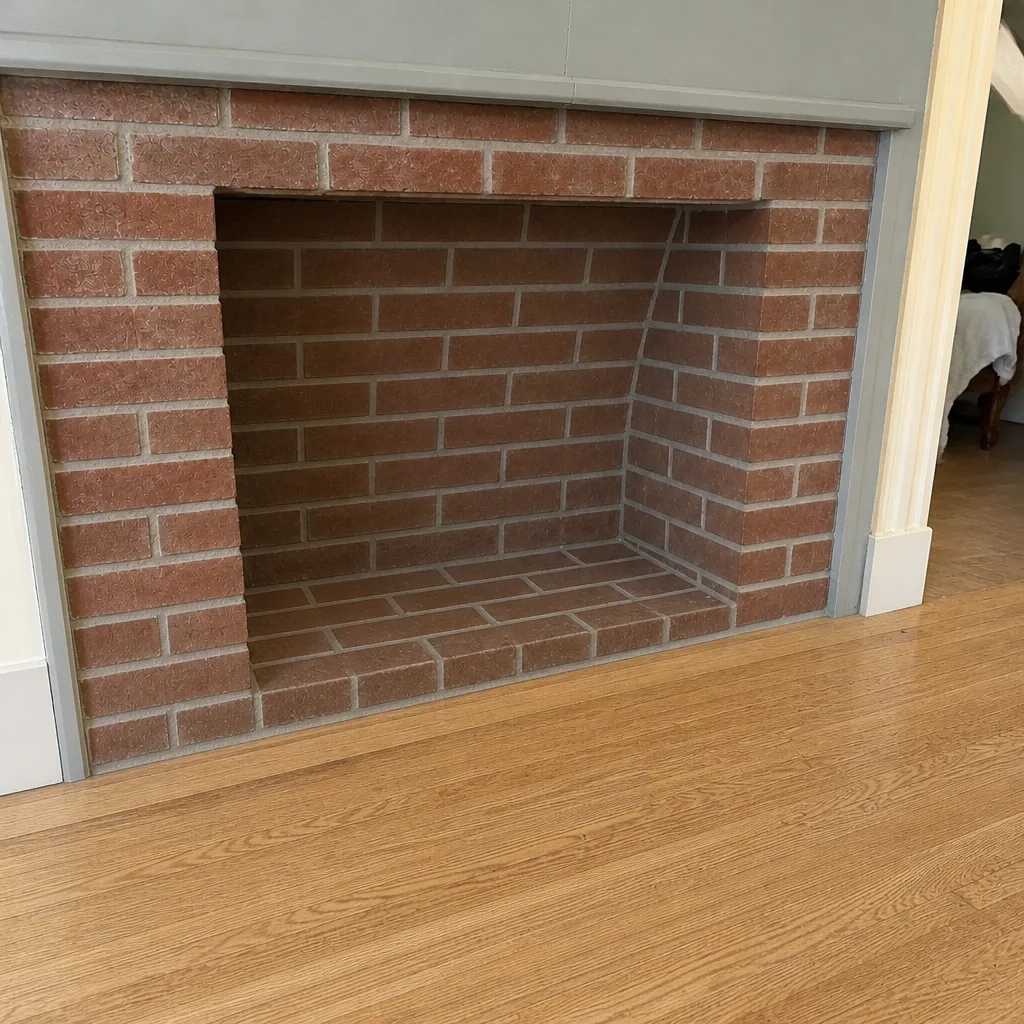 After
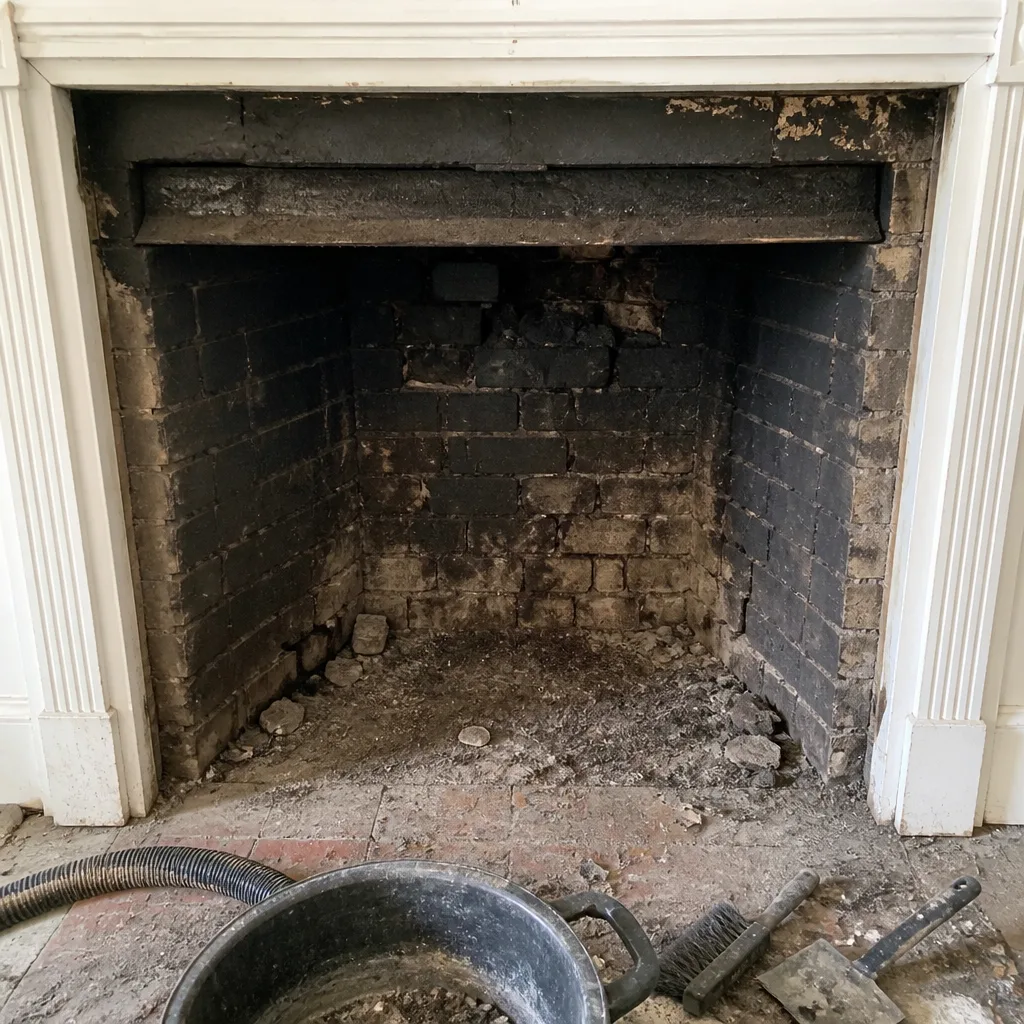 Before
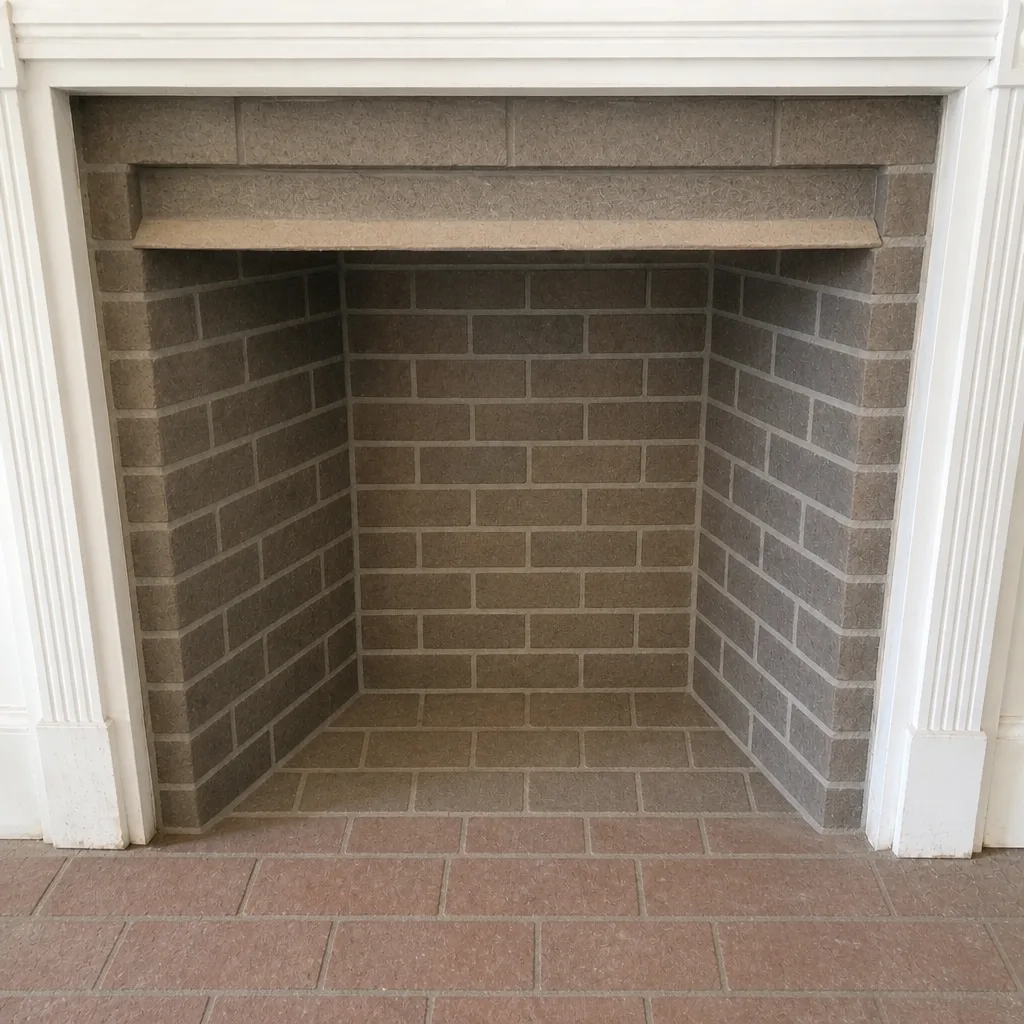 After
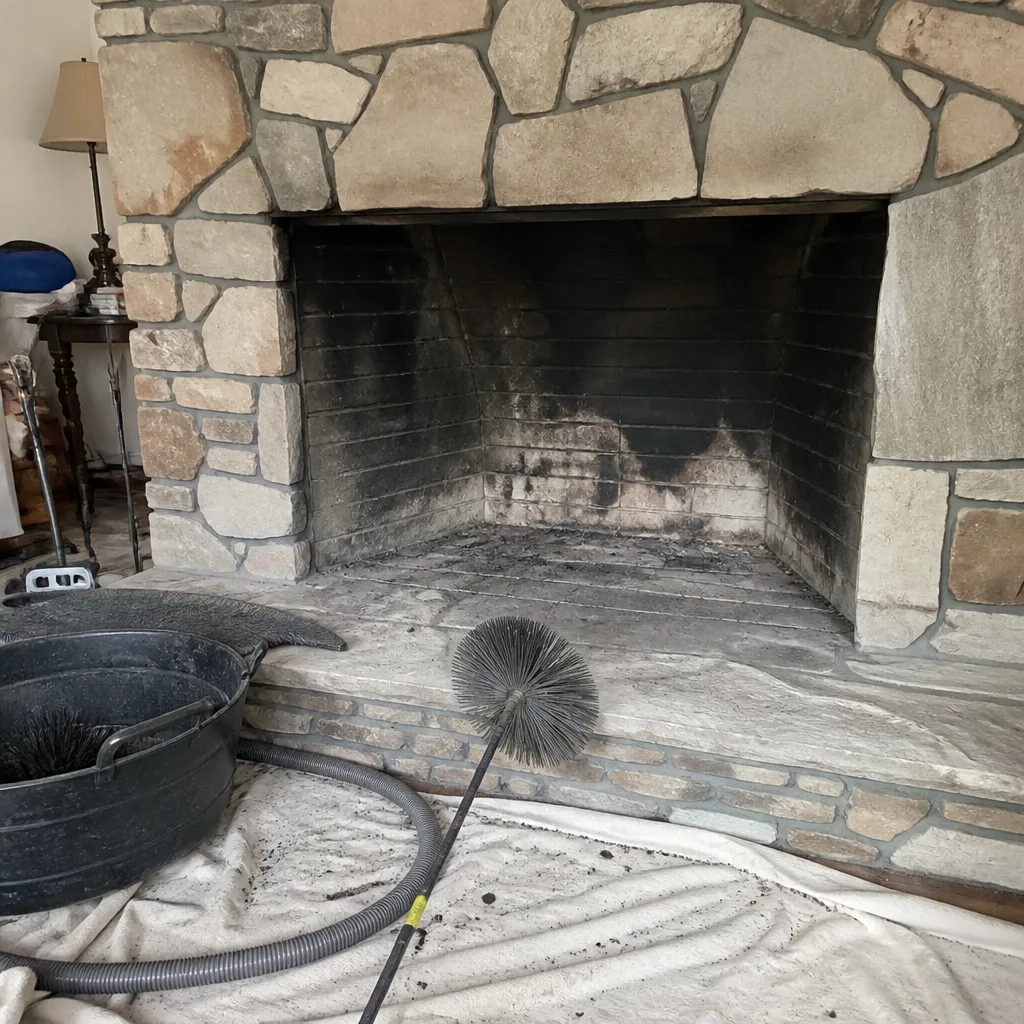 Before
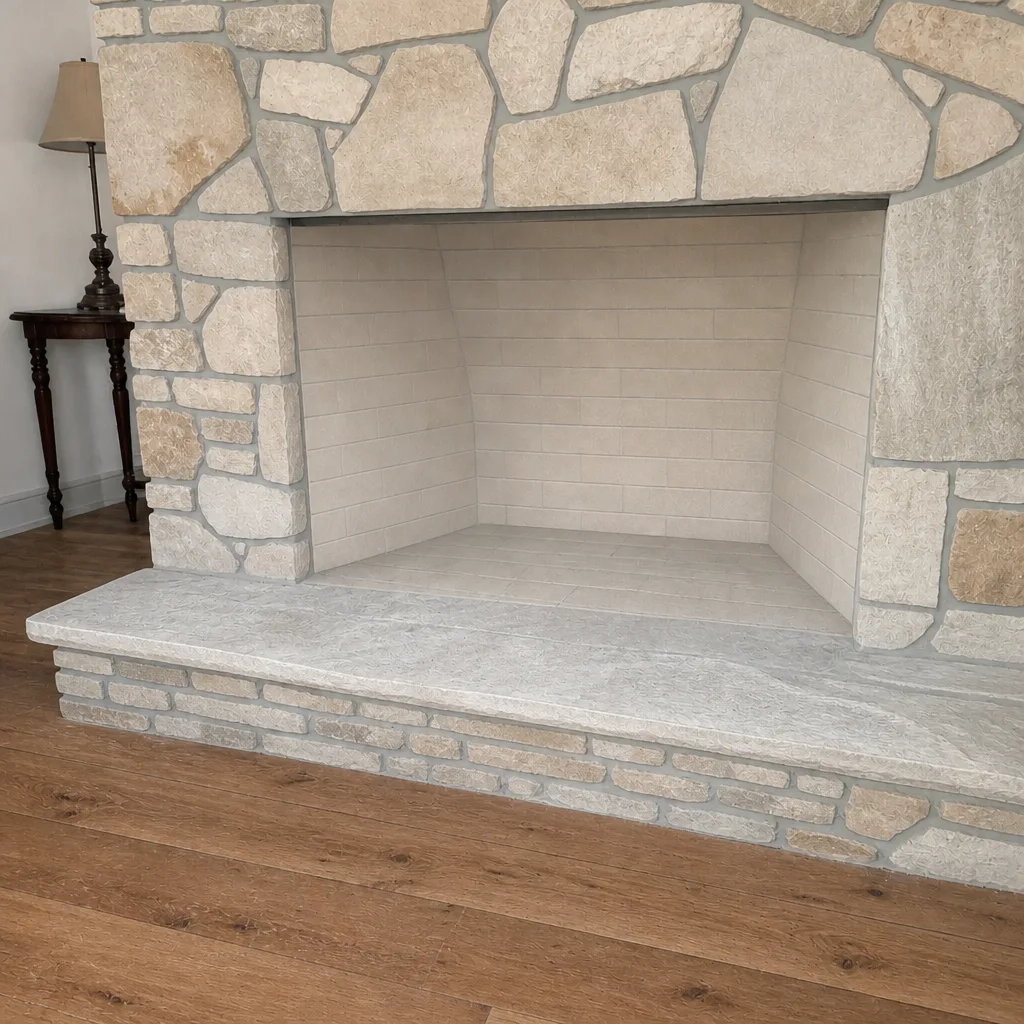 After
When to Call a Professional
Call a professional chimney sweep in Evansville when any of these apply: you’ve just moved into a home with a fireplace and don’t know when it was last swept; your wood-burning appliance sees regular use; a home inspector or insurance company has flagged the chimney; you notice smoke rolling back into the room, a damper that won’t move, or visible damage to the crown or flashing; or you smell a strong, acrid odor on warm days (a sign of creosote in the flue). None of these are jobs to handle yourself, and roof-height work on a chimney should never be a DIY project. Chimney Sweep Evansville offers free estimates in Evansville – call (833) 365-6875.
We answer 24/7. Fast dispatch from 7am to 7pm, Sunday through Friday. A call outside dispatch hours is booked into the next opening.
Frequently Asked Questions
A standard chimney sweep in Evansville typically runs in the low-to-mid hundreds of dollars, with the final cost depending on fuel type, creosote level, and whether a camera inspection is needed. The written estimate sets the final price, and estimates are free. Call (833) 365-6875 for an exact quote.
Only if the inspection shows the flue can’t safely contain a fire – cracked or missing clay tile, a disconnected liner, or a size mismatch for the appliance. We don’t recommend a liner without camera evidence you can see yourself. If the existing flue is sound, we say so. Call (833) 365-6875 and we’ll talk through what the inspection found.
Annually if you burn wood regularly, and every two to three years for occasional use, with an inspection on the same schedule. Homes in Evansville that run a wood stove as a primary heat source often need sweeping more often because of heavier creosote loads. Call (833) 365-6875 to book a sweep and get a recommendation for your specific setup.
Creosote builds up in the flue, and at second- or third-degree levels it becomes a real fire risk because it burns hot enough to crack clay tile and let flames reach framing. Separately, water intrusion and slow masonry decay continue year after year in Evansville’s freeze-thaw climate. Neither shows an obvious sign from the firebox. Call (833) 365-6875 and we’ll get you inspected.
Less often than wood, but yes – it still needs an annual inspection. Gas burns cleaner, but the venting, termination cap and gaskets can deteriorate, and the firebox can corrode. A sweep is often paired with an inspection rather than a full cleaning. Call (833) 365-6875 to schedule.
Yes. Professional sweeping uses drop cloths, sealed equipment and HEPA-filtered vacuums to keep soot contained, and debris leaves the home with the technician. Ask any company you hire how they handle containment. Call (833) 365-6875 and we’ll walk you through the process.
The Bottom Line
Chimney cleaning in Evansville is a diagnostic process, not a commodity service. The sweep clears creosote – which matters – but the inspection and report are what actually protect your home, and they should be part of every sweep. Creosote type, fuel source, and flue condition all shape what a proper cleaning involves, and a specialist can both diagnose and repair what they find in one visit. If your chimney hasn’t had a real inspection, or you’ve just inherited a fireplace with unknown history, that’s the moment to book one. Call (833) 365-6875 for a free estimate. We answer 24/7, with fast dispatch from 7am to 7pm, Sunday through Friday.
About Our Chimney Services in Evansville
We work with the same professional-grade chimney brands contractors specify – DuraFlex flexible liner systems for relining, HeatShield for flue tile resurfacing, and Olympia Chimney, Famco and Copperfield for the parts and accessories a full system needs. Every job we take on is chimney work, from a routine chimney sweep to a full reline, and we’re glad to be the local team homeowners in Evansville call when a home inspector or insurer flags the chimney. If you’re looking for a plain-language explanation of what we found and what we’d recommend, that’s what you’ll get.
Written by the team at Chimney Sweep Evansville.
What happens when you call
- 1
A real person answersNo phone trees – you reach a local pro.
- 2
You get an upfront price rangeHonest numbers before anyone is dispatched.
- 3
A background-checked tech heads outLicensed & insured, dispatched right away.
- 4
You approve before work beginsNothing starts until you say go.