
Last updated November 15, 2026
 Sweep & inspection
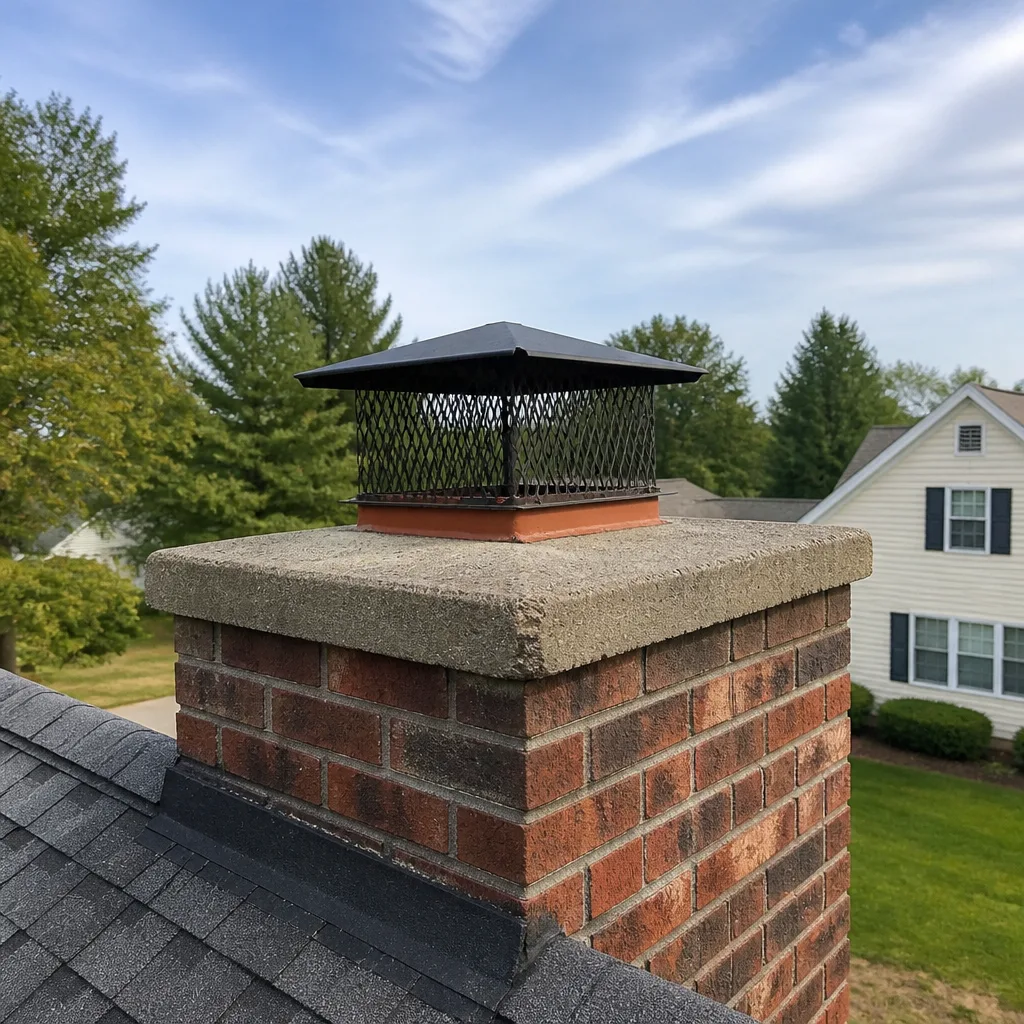
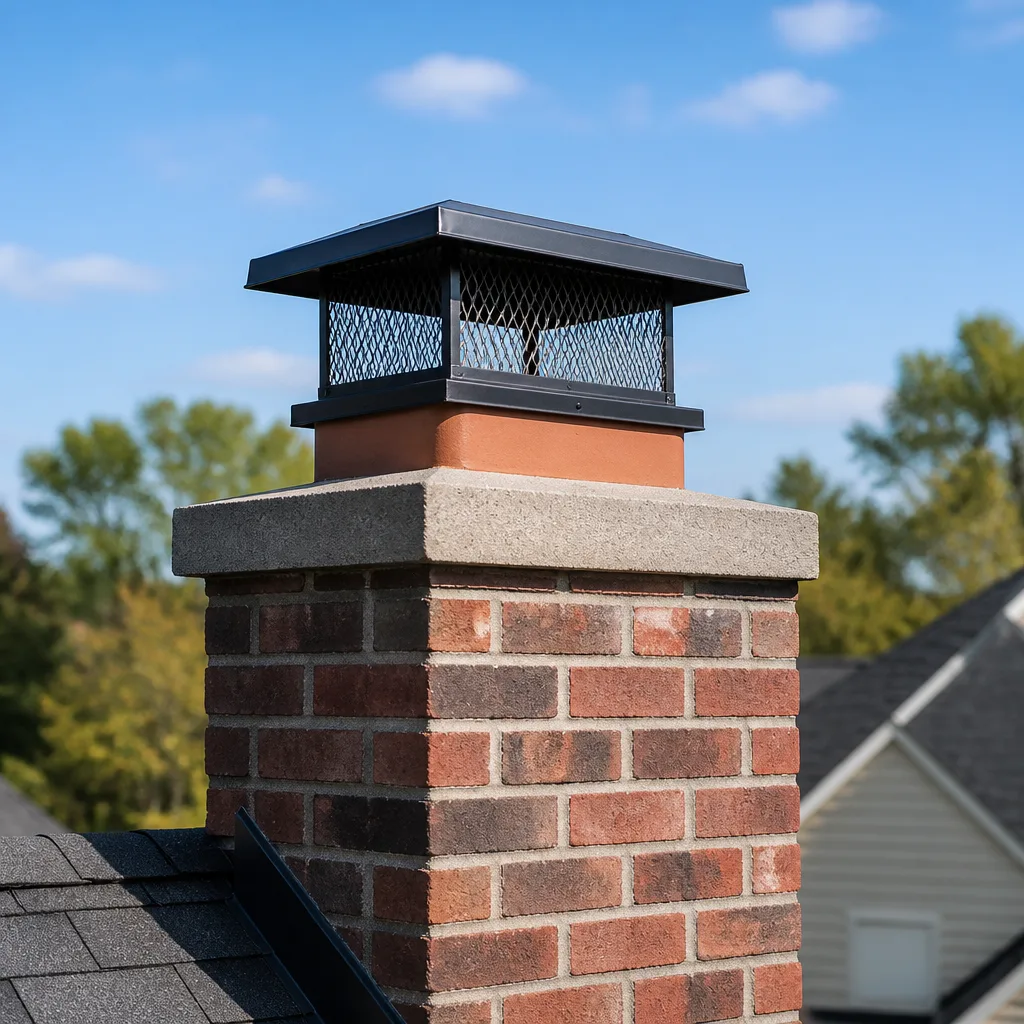 Caps & crowns
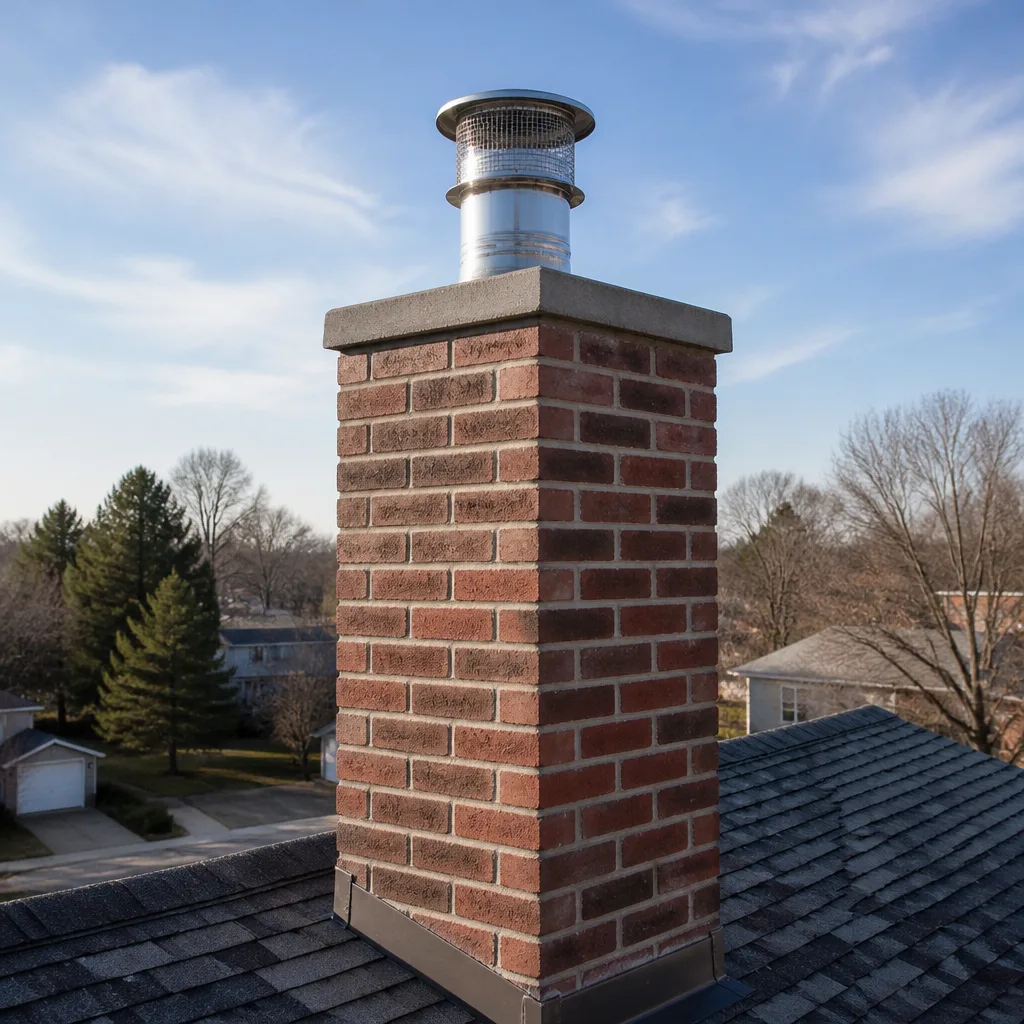 Flue relining
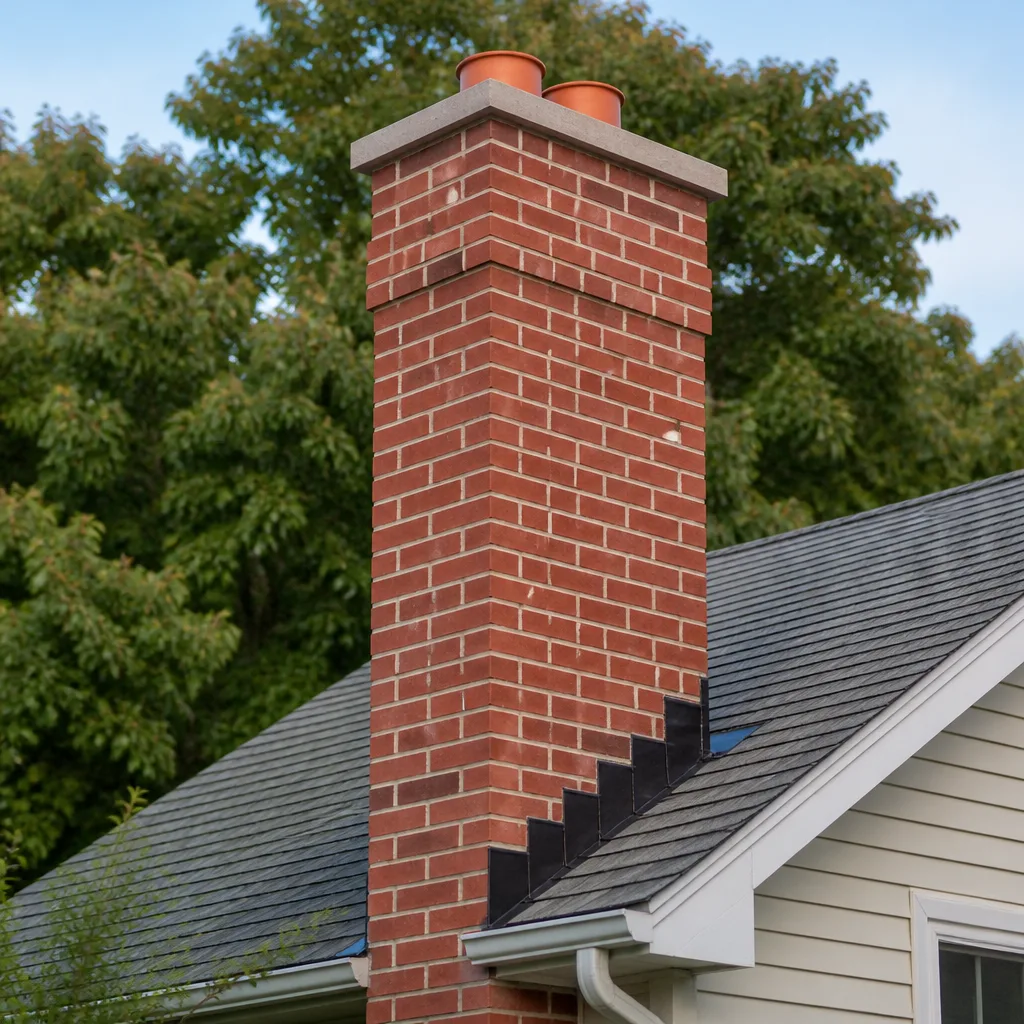 Masonry repair
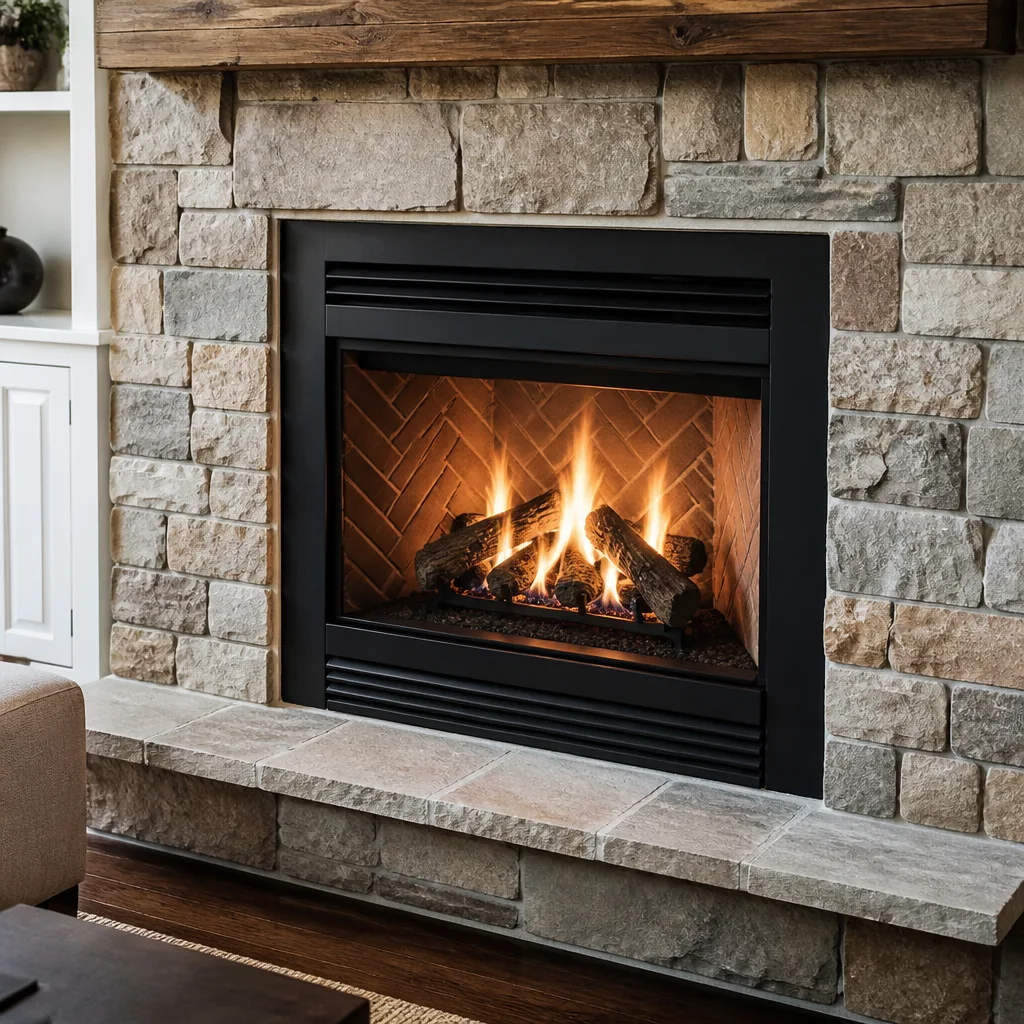 Gas fireplace service
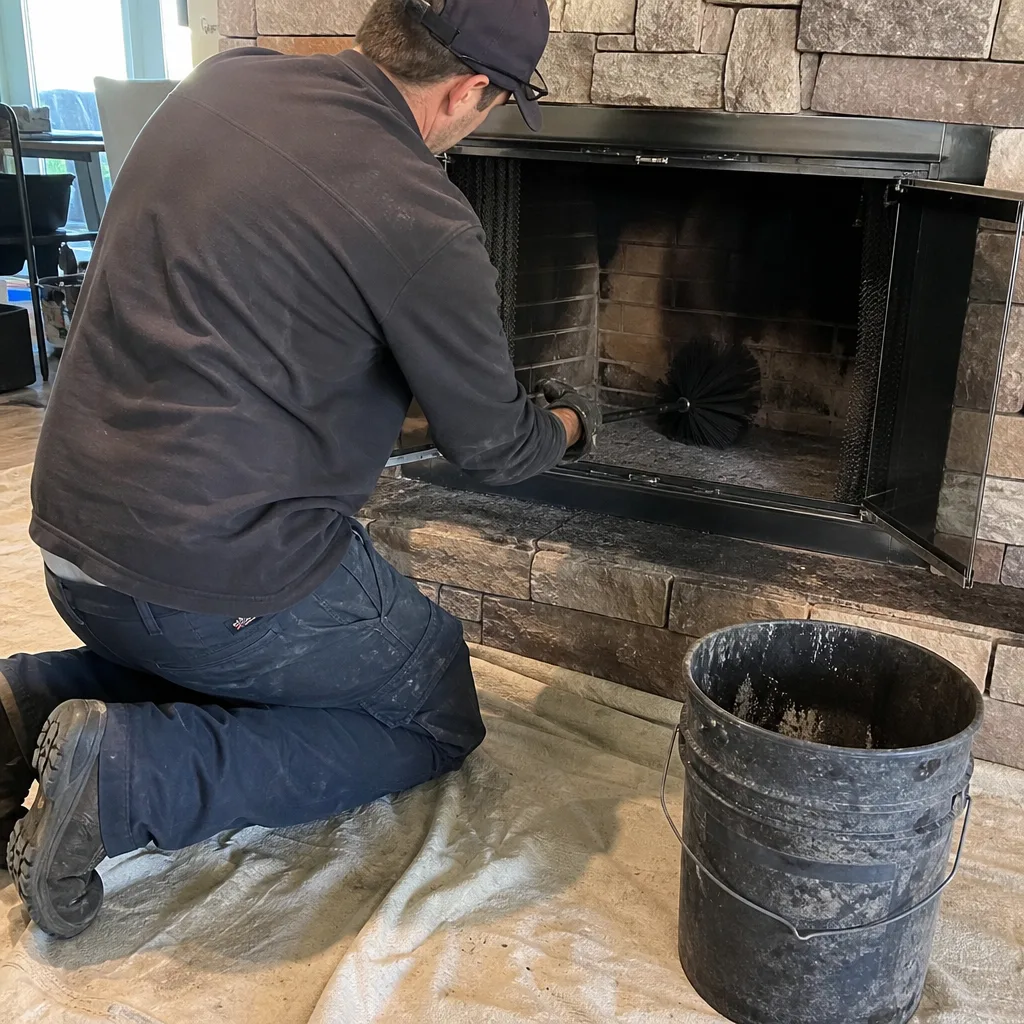
Level 1 sweep and inspection to the NFPA 211 annual standard - flue, crown, cap, and flashing checked and photographed
Chimney sweep logs do not sweep chimneys. They loosen some creosote - which then falls where a brush and vacuum still have to collect it.
How to Hire a Chimney Cleaning Contractor in Evansville: A Step-by-Step Guide
Indiana doesn’t require a state license to sweep a chimney. That single fact explains most of what goes wrong when Evansville homeowners hire this kind of work. Anyone with a brush, a ladder, and a magnetic sign on the van can call themselves a sweep, charge for a visit, and disappear before anything is actually fixed. Compare that to hiring an electrician or a plumber, where the state sets a licensing bar you can check before the appointment. With chimneys, the vetting is on you.
The good news is that the trade does have real credentials. They’re just carried by the technician rather than posted on the truck. This guide walks through a filter you can use in Evansville – what to check before you book, what to ask on the phone, what a legitimate written scope looks like, and how to tell a specialist from a generalist who tacked chimney work onto a menu. Our technicians have up to 13 years of experience watching exactly these patterns play out, and we’ll share the questions that separate the two.
Quick Answer
To hire a chimney cleaning contractor in Evansville, verify that the technician holds a current CSIA Certified Chimney Sweep credential and, for wood or gas appliance work, an NFI certification, then confirm the credential is active rather than lapsed. Ask whether the company does chimney work full time or as an add-on to HVAC or gutter service. Get a written scope of work before the visit and insist on a camera inspection with photos you can see. A contractor who welcomes those four checks is the one to book.
Styles & brands we work with
- Sweep & inspection
- Caps & crowns
- Flue relining
- Masonry repair
- Gas fireplace service
Table of Contents
- Why Indiana’s Licensing Gap Changes How You Hire
- What CSIA and NFI Credentials Actually Verify
- How to Confirm a Credential Is Current, Not Lapsed
- Questions That Separate Specialists from Side Work
- Red Flags Specific to the Evansville Market
- Why a Written Scope of Work Protects You
- How to Evaluate a Quote and a Repair Finding
- Common Mistakes to Avoid
Why Indiana’s Licensing Gap Changes How You Hire
Because Indiana doesn’t license chimney sweeps, there’s no state database to search and no license number to demand at the door. That means the usual shortcut homeowners use for trades – look up the license, verify it’s active, done – doesn’t exist here. Instead you have to rely on voluntary certifications, trade affiliation, and questions that reveal how a company actually operates.
This isn’t a reason to panic. It’s a reason to shift your filter. With a plumber, you can check the license and stop worrying. With a chimney sweep in Evansville, you have to look at three things together:
- The person’s credentials – CSIA and NFI are the ones that mean something, and they live with the individual technician, not the company.
- The company’s focus – a full-time chimney specialist builds diagnostic instincts a generalist never does, because every job, every day, is chimney work.
- The evidence trail – camera inspection, photos, written findings. A sweep who can’t show you what’s up there can’t be checked.
Stack those three and the licensing gap closes. Skip any one and you’re guessing. Most chimney problems in Evansville homes – creosote buildup from a season of wood burning, cracked flue tiles, a liner that’s past its service life, a crown that’s cracked and letting water in – are invisible from the living room. A generalist who cleans gutters one day and chimneys the next isn’t going to spot the difference between a cosmetic crack and a real hazard, because they don’t look at flues often enough to know.
That’s the core reason this guide exists. Hiring a chimney contractor in Evansville is a vetting problem, and vetting is a skill you can build with a handful of the right questions.
What CSIA and NFI Credentials Actually Verify
Two credentials matter most in this trade, and each verifies something different. The CSIA Certified Chimney Sweep credential is issued by the Chimney Safety Institute of America and confirms that the individual technician has passed a proctored exam covering chimney and venting systems, has agreed to a code of ethics, and commits to ongoing education to keep the credential current. It’s about the sweeping and inspection side of the trade – what’s in the flue, how the system vents, and what’s safe to burn.
NFI certification comes from the National Fireplace Institute and focuses on installation and service of specific appliance types: wood, gas, and pellet. If your home has a gas insert, a pellet stove, or a wood-burning appliance that needs work beyond a sweep, an NFI-certified technician has documented knowledge of that appliance category rather than a general familiarity.
What neither credential tells you on its own:
- That the credential is currently active (more on this below)
- That the company carries liability coverage – ask separately
- That the technician has experience with your specific liner material or chimney style
What they do tell you is that someone took an exam and stays in the trade’s continuing education loop. That’s meaningful in a state where nothing else is required. It’s the closest thing Evansville homeowners have to a licensing check, and it’s worth asking about directly.
Our own technicians hold trade credentials and work with the materials the pros specify – DuraFlex flexible liner systems, HeatShield liner resurfacing, Copperfield and Gelco components – because a technician who works with profession-grade product lines stays current on what fails and why. When you vet a contractor, ask which of these they work with. A sweep-only operation that refers relining and restoration to someone else is telling you they don’t handle the repair side, which means when your inspection turns up a problem, you’ll be starting the hiring process over again. We handle the full cycle at chimney repair alongside inspection and sweeping, which matters when the inspection finds something.
How to Confirm a Credential Is Current, Not Lapsed
A credential that lapsed three years ago still ends up on a business card. CSIA credentials renew on a cycle and require continuing education, which means a technician’s certification can expire if they don’t keep up with it. Asking “are you CSIA certified?” gets you a “yes.” Asking “when did your certification last renew, and how do I verify it?” gets you a real answer.
Here’s the sequence we’d suggest running through before you book:
- Ask for the technician’s name in advance. Credentials belong to individuals, not trucks. Confirm the person who will actually be in your home holds the credential, not just a supervisor somewhere.
- Ask when the credential last renewed. A current technician knows their renewal date and won’t hesitate to share it.
- Ask how to verify. CSIA maintains a searchable listing of certified sweeps. A credentialed technician will point you there. This is the step that filters out lapsed credentials, because a lapsed listing won’t show up.
- Ask about NFI separately if you have a gas insert, pellet stove, or wood-burning appliance. Sweeping credentials and appliance credentials are different things.
- Ask for proof of liability insurance. This isn’t a CSIA function, but it’s part of vetting, and it’s a five-minute email to confirm.
If a company pushes back on any of this – “we don’t give out that information,” “the certification is on the truck” – that’s your answer. A credentialed technician has nothing to hide and will hand you the verification path without hesitation. The process takes minutes and it’s the single most useful filter available in Evansville, where the state won’t do this check for you.
Questions That Separate Specialists from Side Work
There’s a real difference between a chimney company and a company that also cleans chimneys. Both will take your booking. Only one will recognize what they’re looking at up there. These questions get you to the answer fast:
- “What percentage of your work is chimney-related?” A specialist works chimneys every day. A generalist squeezes them in between HVAC tune-ups or gutter cleanings. This is the question that reveals it.
- “Do you handle relining and resurfacing, or do you refer it out?” If they refer, they’re a sweep, not a full-service chimney company. That’s fine if all you need is a cleaning – but you’ll need a second contractor the moment a real repair comes up.
- “What brands do you work with?” A specialist names product lines – DuraFlex, HeatShield, Gelco, Olympia Chimney, Famco, Copperfield. A generalist says “whatever we can get.” The names signal supplier-level familiarity with professional-grade systems.
- “Does your inspection include photos or video I can see?” A camera inspection with a photo report is the standard. A verbal report is not.
- “Will you give me a written scope of work before the visit?” This protects you from add-on pressure during the appointment. We’ll explain why below.
- “What happens if you find a problem mid-sweep?” A specialist stops and explains. An opportunist upsells.
Notice none of these questions are about price. Price comes later, once you know who you’re dealing with. A quote that comes before you’ve vetted the company is a number without context, and a low number from the wrong company costs more in the end than a fair number from the right one.
If you’d rather skip the vetting and just book the work, our chimney sweep service runs the same inspection-first sequence we recommend here. We inspect before we sweep, so you know exactly what’s up there before any brush goes in.
Red Flags Specific to the Evansville Market
Every region has its own version of the chimney-sweep hustle. In Evansville, the pattern we hear about most involves outfits that appear after storm season, offering “free inspections” that turn into high-pressure repair quotes on the spot. The free inspection is the sales call, and the findings tend to be severe, unphotographed, and expensive.
Here’s what to watch for:
- “Free inspection” that arrives in a van with out-of-area plates and no local presence. If the company can’t tell you where they operate from or how long the technicians have been doing this work, slow down. Ask for the individual technician’s credential and verify it.
- A quote delivered verbally, on the spot, with no photos or written scope. Legitimate findings come with visual evidence – a camera image of the flue interior, a clear description of the defect, and a written recommendation you can hold.
- Urgency pressure tied to safety (“your home is at risk right now”). Real chimney problems are serious, and we’ll be specific about them below. But a legitimate technician explains the risk and lets you decide. They don’t manufacture a same-hour crisis to close a sale.
- Prices wildly below the market. A $49 sweep in Evansville is a doorway to an upsell. The sweep is a loss leader; the real revenue is the “repair” you didn’t know you needed until they told you.
- No written contract or scope before work starts. If you can’t see what’s being done and what it costs before the appointment, you’re negotiating from a bad position.
- Reluctance to give the technician’s name. Credentials belong to individuals. A company that won’t name the person coming to your home won’t verify that person’s credential either.
The pattern in all of these is the same: they want to skip the evidence and go straight to the sale. Vetting a chimney contractor in Evansville comes down to whether the company shows its work or asks you to take its word. Choose the ones who show it.
Why a Written Scope of Work Protects You
A written scope of work is a one-page document – we’re talking about the general practice, not a specific document we hand out – that states what will be done during the visit, what it costs, and how any findings will be communicated. It’s not a legal formality. It’s a pressure-relief valve that protects you from add-on pricing during the appointment.
Here’s why it matters. Chimney work happens in a physical space you can’t see into. The technician goes up on the roof or down into the firebox, looks at the flue, and comes back with a report. During that visit, the technician has complete information advantage. Without a written scope, the conversation defaults to whatever the technician says. With a written scope, the conversation defaults to the document, and any new finding gets documented and priced in writing before anything else happens.
A good written scope covers:
- What’s included in the visit – a level 1 inspection and a standard sweep, for example, or an inspection with camera and photo report.
- What’s not included – repairs, relining, resurfacing, or major work that would require a separate estimate.
- How findings will be reported – camera images, photos, written description.
- What the cost is for the scope as described, with the understanding that repair work gets a written estimate before it proceeds.
- How the decision to proceed on any repair gets made – by you, not in the moment by the technician.
We use a flat-price sweep agreed before booking for exactly this reason. The cleaning is one price. If the inspection turns up something that needs work, it gets its own estimate, and you decide whether to move on it now or later.
If a company won’t put a scope in writing before the visit, ask why. Sometimes the answer is administrative laziness. Sometimes it’s that they don’t want to be held to a number. Either way, it’s a signal about how the rest of the relationship will go.
How to Evaluate a Quote and a Repair Finding
Here’s the thing about chimney quotes: a legitimate repair finding is usually something you can see for yourself once someone points it out. An illegitimate one isn’t. That’s the whole test, and it’s the one thing a homeowner can rely on in a state without licensing.
Legitimate findings tend to look like this in writing:
- A camera image showing the specific defect – cracked flue tile, deteriorated mortar joint, gap in the liner, heavy creosote glaze, cracked crown
- A plain-language description of what the defect means – whether it affects venting, whether it’s a fire risk, whether it’s allowing water in
- At least one repair option with a written estimate, and if there are options, a clear statement of why one is recommended over another
- An honest assessment of urgency – whether the work needs to happen before the next burn season, or whether it can wait
Findings that warrant caution:
- Verbal only, no photos, no camera report
- A single option at a high price with urgency built in (“your liner needs replacing before you burn again”)
- Vague terminology (“your flue is compromised”) without specifics
- A finding presented during the sweep with no prior indication the visit would include repair work
When a finding is legitimate, the repair is usually one of a few things: liner resurfacing with a system like HeatShield to restore deteriorated flue tiles without demolition, relining with a flexible system like DuraFlex where the existing liner is gone, or crown and masonry work where water is the underlying issue. Each of those is a real job, and a specialist will explain which applies and why. A sweep-only operation can’t explain them because they don’t quote them.
The camera inspection with photo report is our standard because it puts the evidence in your hands. Nothing gets recommended without camera evidence you can see for yourself, and if work can safely wait, we say so. That’s the entire point of evidence: it gives you something to check.
Common Mistakes to Avoid
- Treating a “free inspection” as free. In any trade, the free inspection is the sales call. Accept the inspection, but insist that findings come with photos and a written estimate you take home unpressured.
- Booking on price alone. A low sweep price from an unvetted company costs more than a fair price from a specialist, because the follow-up work is where the real number lives. Vet first, then compare prices among companies you’ve already filtered.
- Accepting a verbal credential. “We’re certified” is not the same as a specific technician’s current CSIA credential you can verify. Ask for the name and the verification path.
- Hiring a generalist because they were already coming out. The HVAC or gutter company that “also does chimneys” is doing it as a side service. The diagnostic instincts differ, and the repairs usually get referred out.
- Skipping the written scope. Without a scope, every finding becomes a same-day decision made in the technician’s presence. That’s a bad position for any homeowner.
- Ignoring what an inspection actually said. Some findings are urgent; many aren’t. A specialist tells you which is which. A company that escalates everything to urgent is telling you about their business model, not your chimney.
- Assuming the liner was checked because the sweep was done. A sweep clears creosote; it doesn’t evaluate the liner, the crown, or the flue tiles. Inspection is a separate step, and you should ask which is being done.
See the difference
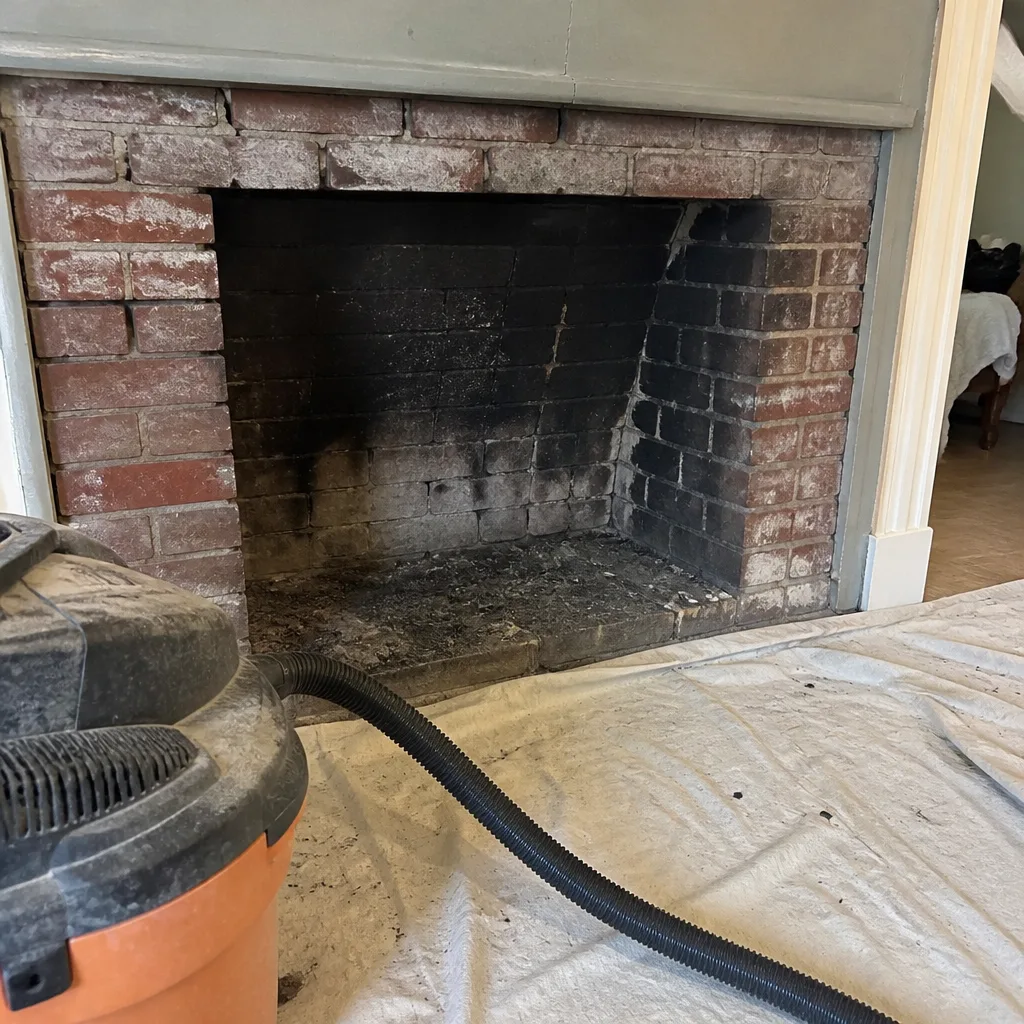 Before
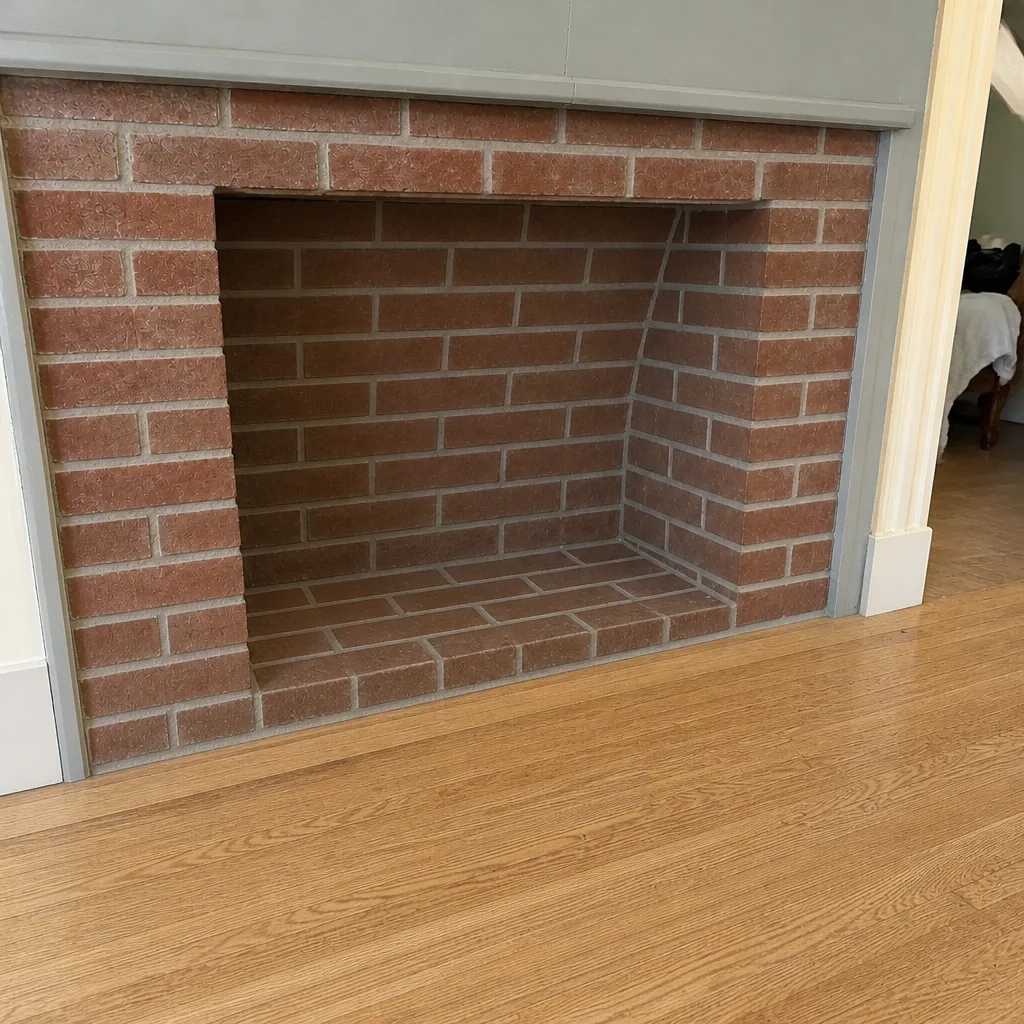 After
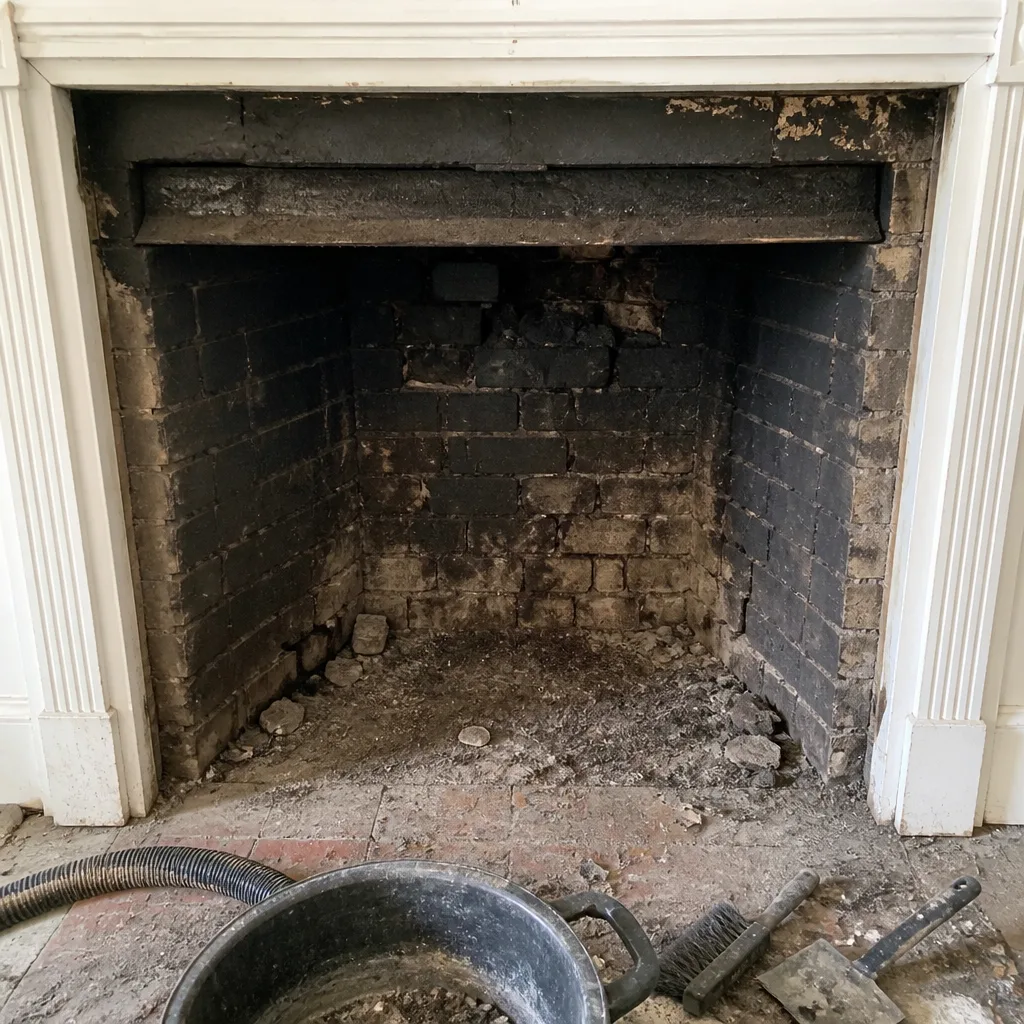 Before
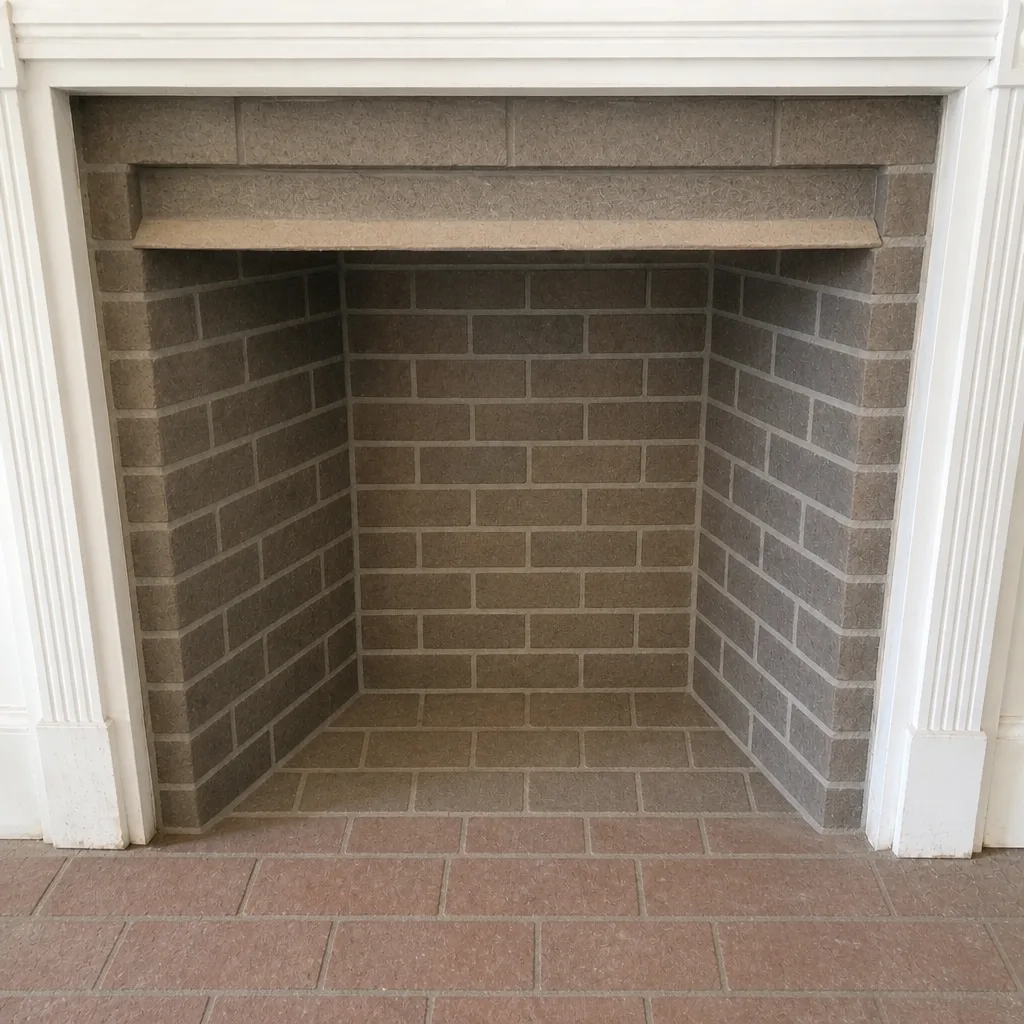 After
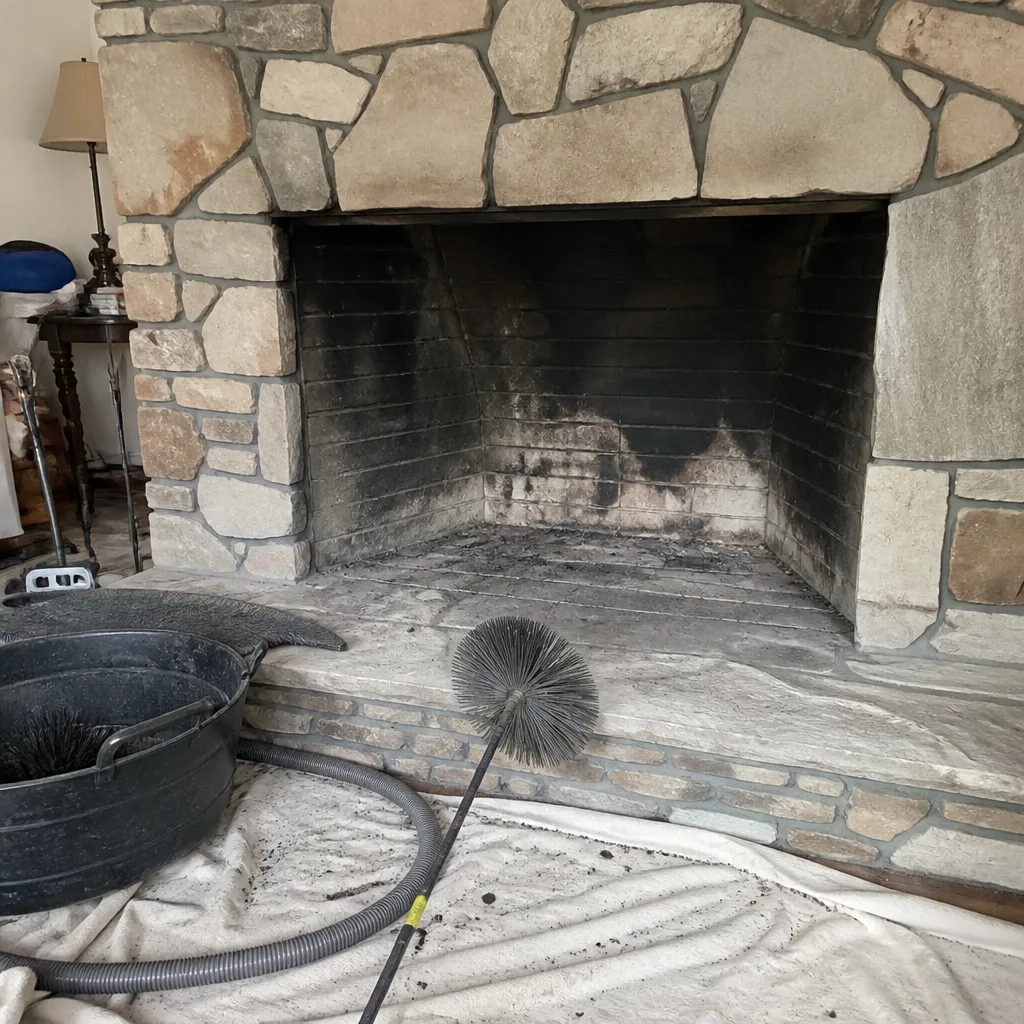 Before
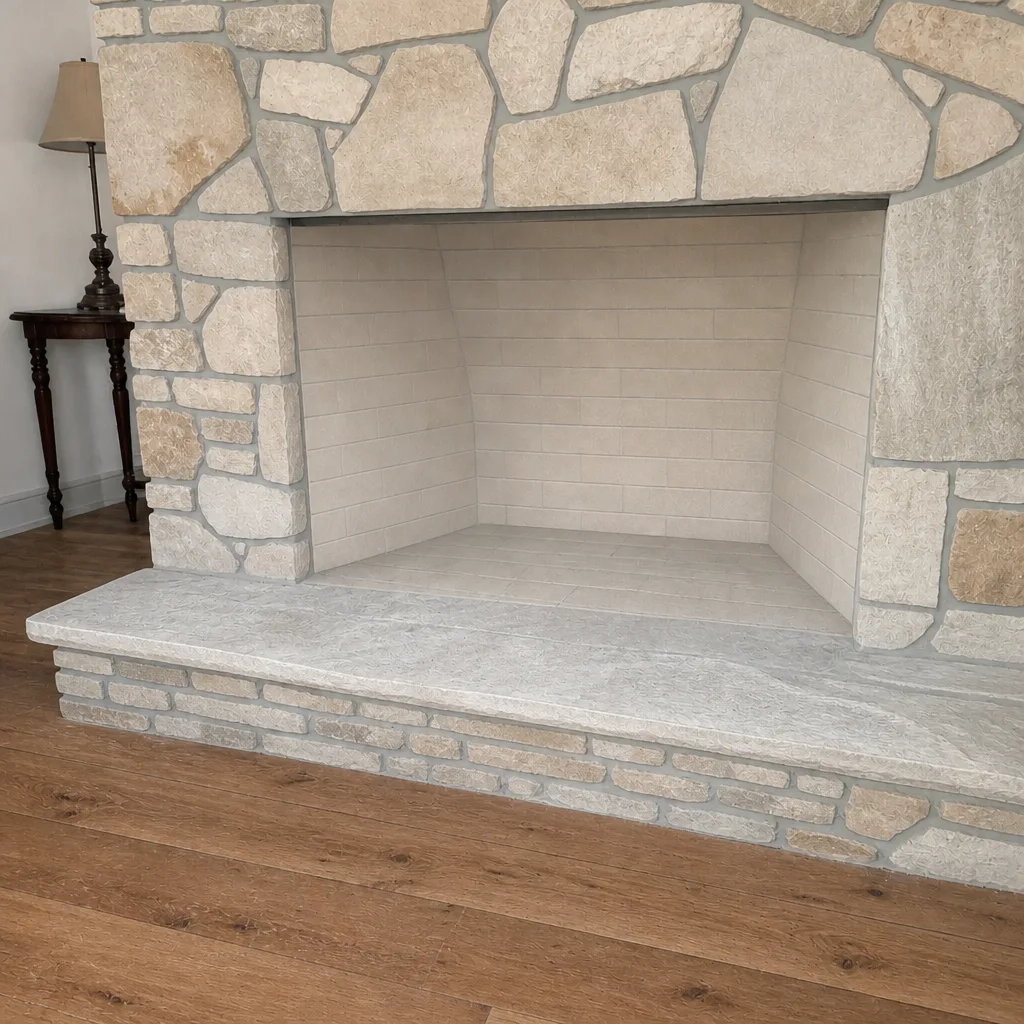 After
When to Call a Professional
Call a professional when you’ve just moved into a home with a fireplace and don’t know its service history, when you’ve burned a full season without a sweep, or when a home inspector or insurer has flagged the chimney. Call if you smell smoke backing into the room when you light a fire, if there’s visible creosote glaze on the flue walls, or if the crown is cracked and water is getting into the masonry. Call before the burn season starts if it’s been more than a year since the last sweep. And call if you’re simply not sure – a proper inspection answers the question, and we’ll tell you plainly if there’s nothing to do.
Chimney Sweep Evansville offers free estimates in Evansville – call (833) 365-6875. We answer 24/7. Fast dispatch from 7am to 7pm, Sunday through Friday.
For broader context on how chimney service works in the area, see our Evansville service page and the main Chimney Sweep Evansville page.
Frequently Asked Questions
A standard chimney sweep in Evansville typically runs in the low-to-mid hundreds and is priced per job, with the exact price set by the written estimate before booking. Inspections with camera and photo report may be bundled into the sweep or quoted separately depending on what’s needed. The number depends on the appliance type, how much creosote has built up, and whether the chimney has been accessed before. Call (833) 365-6875 for an exact quote – estimates are free.
Ask for the individual technician’s name and when their certification last renewed, then verify it through the CSIA’s searchable listing of certified sweeps. Certification lives with the person, not the company, so confirm the technician who will actually be in your home holds it. A current technician will point you to the verification without hesitation. Call (833) 365-6875 if you’d like to know our technicians’ credentials.
Once a year for most wood-burning fireplaces, regardless of how often you burn, plus a full inspection to check the liner and crown. Gas inserts and pellet stoves still need annual inspection even though creosote isn’t the issue – venting and safety components matter too. Skipping a season doesn’t cause an immediate problem, but a year of creosote buildup in a wood-burning flue increases fire risk over time. Call (833) 365-6875 to book a sweep.
Only if the inspection actually shows the existing liner has failed – cracked, separated, or deteriorated beyond what resurfacing can fix. A camera image of the failure should be part of the finding. If no photo or camera report is offered, ask for one. We don’t recommend relining without camera evidence you can see. Call (833) 365-6875 to schedule an inspection.
Creosote accumulates with every burn, and heavy creosote in a wood-burning flue is the fuel source for a chimney fire – the risk grows the longer it goes unaddressed. Carbon monoxide is a separate concern if the flue is blocked or the venting is compromised. Skipping a year isn’t a crisis; skipping many years without knowing the liner’s condition is a risk you can’t see. Call (833) 365-6875 to book a sweep and inspection before burning season.
Storms bring out storm-chaser outfits in every trade, including chimney work, and the “free” inspection is the sales call. They tend to arrive with out-of-area vehicles, offer same-day quotes on high-priced repairs, and skip the photographed evidence that would let you verify the finding. Vet credentials before you let anyone on the roof – ask for the technician’s name and CSIA status, and request a written scope before the visit. Call (833) 365-6875 for an inspection from technicians you can verify.
The Bottom Line
Hiring a chimney contractor in Evansville comes down to four checks: verify the individual technician’s CSIA and NFI credentials are current, confirm the company does chimney work full time rather than as a side service, get a written scope of work before the visit, and insist on camera evidence with photos for any finding. Do those four things and the state licensing gap stops mattering. Skip them and you’re trusting whoever shows up. A clean chimney is a starting point; a safe chimney is the goal. If you’d rather work with a specialist who handles inspection, sweeping, and repair in one visit – and who carries the product lines to back it up – Chimney Sweep Evansville is here to help.
Call (833) 365-6875 for a free estimate. We answer 24/7. Fast dispatch from 7am to 7pm, Sunday through Friday.
Written by the team at Chimney Sweep Evansville.